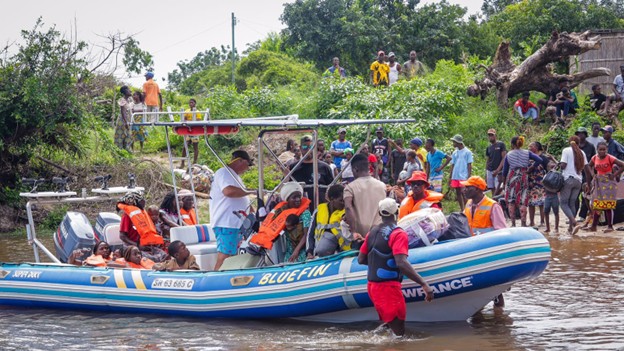
Italian Cooperation’s response to the floods in Mozambique

The floods currently affecting Mozambique have already impacted more than 700,000 people since 7 January (data as of 1 February), leading to the rescue of nearly 20,000 people and causing significant damage to essential national infrastructure, including the closure of National Road No. 1 (N1) between the provinces of Maputo and Gaza.

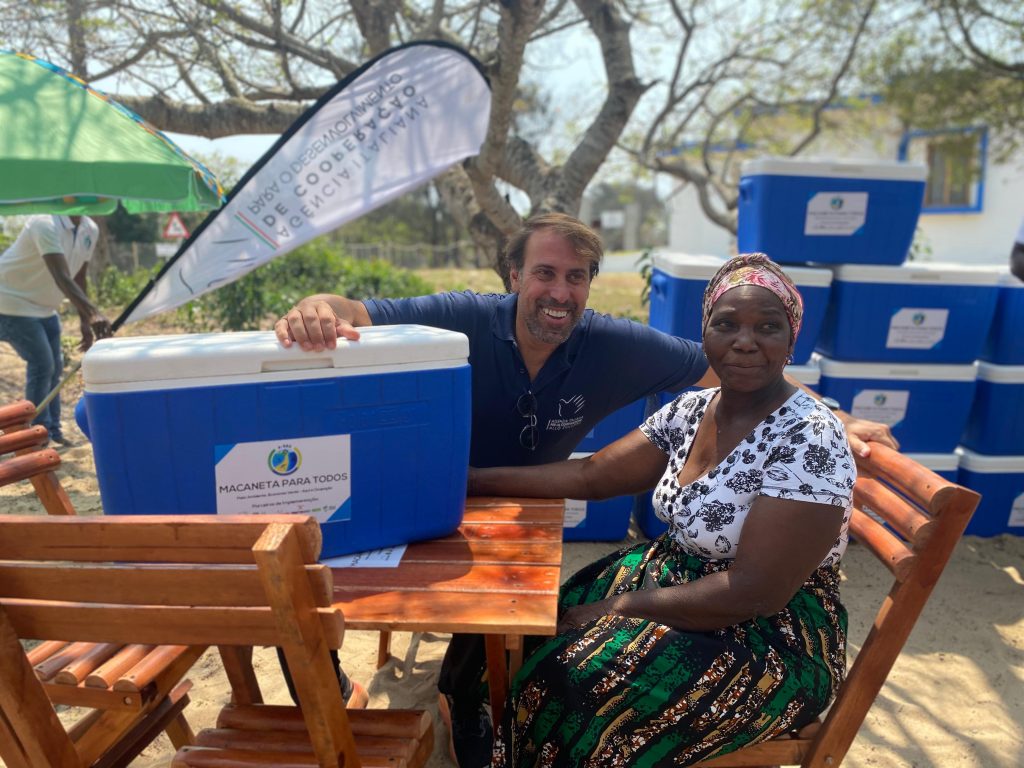
In Marracuene, the overflow of the Incomati River has disrupted road circulation between the town of Marracuene and the tourist area of Macaneta, which is supported under the A-GEO programme, funded by Italian Cooperation.

Of the 18 lifeguards trained under the programme, 11 have taken part in search, rescue, and assistance operations for affected communities, particularly in the districts of Manhica, Boane, and Marracuene, among the areas most severely impacted by the floods. Equipment donated through the project, especially jet skis, has also been used to support these operations.

Elias Novela, one of the lifeguards trained under A-GEO, says he is “proud to be able to help my own community,” adding that “we have already rescued children in distress, persons with disabilities, and elderly people with no hope.” He also stressed that the training he received enabled him “to learn how to think quickly and act in time to save human lives.”
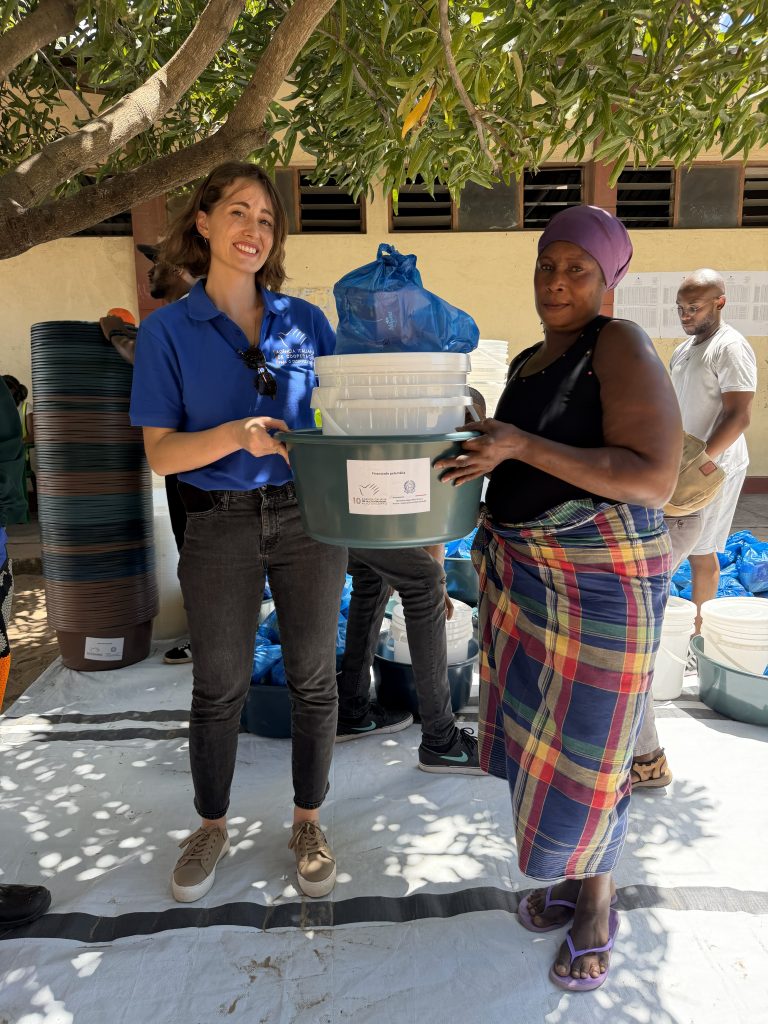
Giulia Natali (AICS – Health) during the distribution of hygiene kits to the Magoanine community, affected by the floods.

On Friday, 30 January, the Ambassador of Italy to Mozambique, Gabriele Annis, together with representatives from the health sector, visited the reception centre in the Magoanine neighbourhood, providing support to communities hosting people displaced by the floods. In one of the most affected areas, 135 hygiene kits were distributed, including water purifiers, with the aim of preventing infectious diseases such as cholera.

In Manica Province, a seed package consisting of 1,500 kg of maize and 600 kg of beans was delivered to support farming families affected by heavy rains and flooding. The donation falls under the programme to strengthen the resilience of the most vulnerable communities in the provinces of Zambézia, Manica, and Tete.

It is also important to highlight that, through the Ready2ACT programme, funded by Italian Cooperation, the CIMA Foundation is providing remote support to technicians from the National Institute for Disaster Risk Management and Reduction (INGD) and other competent institutions within the early warning system, such as INAM and DNGRH, supporting monitoring and analysis operations through forecasting and advisory tools developed under the project, including the new operations room inaugurated last year.

In parallel, under the European Union Civil Protection Mechanism activated for this emergency, the arrival in the country of a flood management expert from the CIMA Foundation is expected, as part of the European Union’s contribution to support risk management.

According to Paolo Enrico Sertoli, Head of the AICS Office in Maputo, “we know that Mozambique is one of the countries most affected by climate change. In recent years, through projects such as Ready2ACT, we have invested strongly in risk management and in strengthening early warning systems, relying on the know-how of the CIMA Foundation and the Italian Civil Protection Department. We also acknowledge the essential role played by lifeguards trained under the A-GEO programme in safeguarding human lives and supporting communities. Italy and Italian Cooperation will continue to do everything possible to support the Mozambican population.
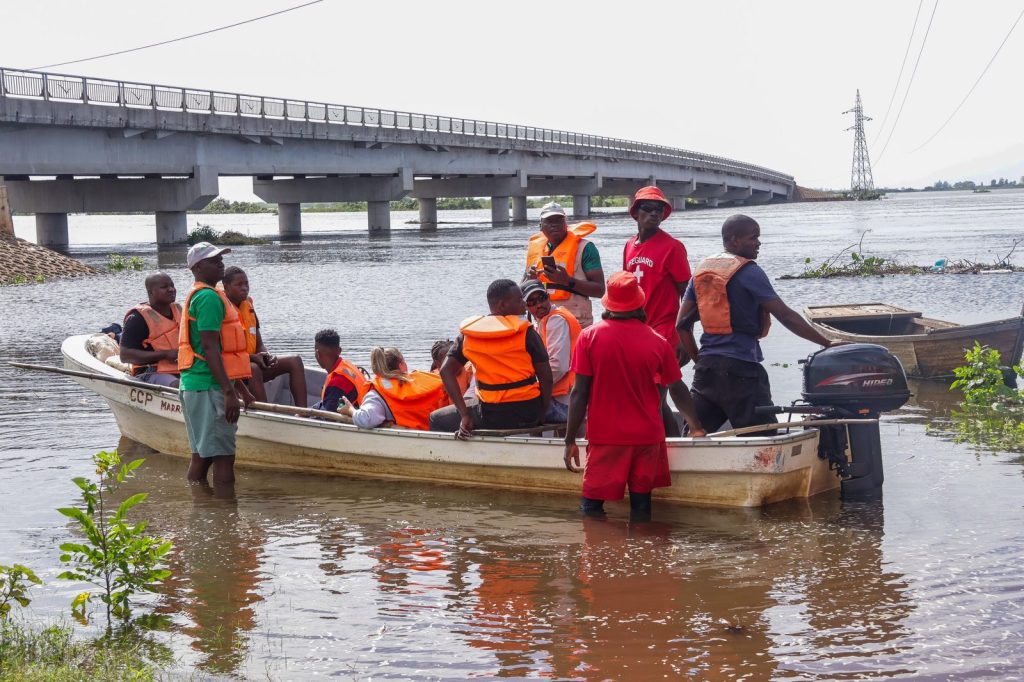
Lifeguards trained under the A-GEO project during search and rescue operations.
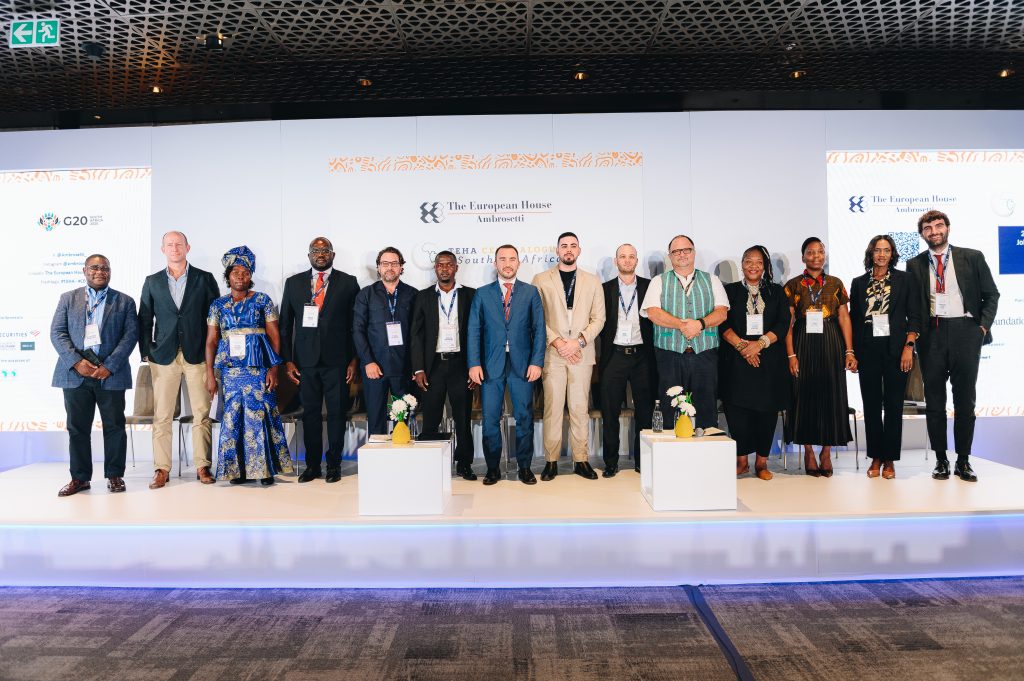
Italian Cooperation participates in the TEHA – CEO Dialogue Southern Africa and supports the presence of 11 companies from the region

The AICS Office in Maputo, in close coordination and synergy with the Embassies of Italy in Maputo, Lusaka, Harare and Luanda, with the respective Offices of ICE – the Italian Trade Agency, as well as with AICS Headquarters, participated on 20–21 November in the 12th edition of the CEO Dialogue on Southern Africa, organised by The European House – Ambrosetti in Johannesburg. AICS was recognised as a Golden Sponsor of the event.

Launched in 2014, the Forum has become the main platform in Southern Africa for business and institutional leaders interested in exchanging ideas, building partnerships and exploring opportunities for cooperation between Europe and the African continent, with a particular focus on the SADC region. Its core objective is to promote strategic business opportunities and strengthen commercial and political relations between the two continents.

In this edition, AICS Maputo supported the participation of eleven[1] companies from the Office’s five countries of competence — Mozambique, Angola, Zambia, Malawi and Zimbabwe — reaffirming the commitment of the Italian Cooperation to promoting partnerships between the private sector and sustainable development in Southern Africa.

On 21 November, the Head of the AICS Maputo Office, Paolo Enrico Sertoli, delivered a keynote address during the panel “Promoting Resilience: Energy-Smart and Circular Agrifood Value Chains”, where the discussion focused on the contribution of the renewable energy–food–circularity nexus to increasing SME competitiveness, improving food security and strengthening climate resilience.

His intervention also highlighted concrete examples of collaboration with the private sector, including the recent joint launch of Blue Economy initiatives with ENI in Cabo Delgado and the partnership with Illy to develop the coffee sector in Malawi and Mozambique.

One of the most significant moments of the event was the signing of the CEO Manifesto on the Future of African Business, where AICS was represented by the Head of the Maputo Office, Paolo Enrico Sertoli. The document brings together ten priorities identified by the private sector to promote sustainable growth in Africa, and AICS’ endorsement underscores its commitment to fostering constructive dialogue between public institutions and economic actors. The Manifesto will be delivered to the South African Presidency and to G20 leaders, meeting in the country the following day, so that these recommendations may contribute to global discussions on investment and development.

Reflecting on the participation, Paolo Enrico Sertoli underlined that “the presence of the Italian Development Cooperation and AICS at the CEO Forum on Southern Africa represents a moment of great significance: on one hand, it allows us to present the strategies of the Italian Cooperation in Southern Africa; on the other, it engages local companies — often small or very small — in an inspiring context full of development opportunities.”

He further added that “in the spirit of Italy’s Mattei Plan for Africa and the EU’s Global Gateway, the Italian Cooperation considers the private sector a key actor in development dynamics, particularly in the agrifood and energy sectors, where the experience of companies provides concrete added value in our operational contexts.”

For Fumukazi, representing Phoka Coffee Growers from Malawi, “the real value of the Forum was the community. Connecting with peers facing similar challenges is invaluable. I will be leaving with a stronger network.”

On his side, Paulo de Lemos from Artcult Angola highlighted the strategic relevance of the event: “the Forum provided an exclusive platform to build and strengthen high-level relationships with key decision-makers from both the public and private sectors across the region.”

Throughout the Forum, the Head of AICS Maputo office, engaged with internationally prominent figures, including José Manuel Durão Barroso, Chair of the GAVI Alliance and former President of the European Commission, and Enrico Letta, former President of the Council of Ministers of Italy. These exchanges allowed for substantive discussions on themes such as education, training, and health.

This edition of the CEO Dialogue underscored the growing relevance of Europe–Africa cooperation, especially in a year when South Africa hosts the G20 Summit — a moment that brings renewed attention to regional priorities and opportunities, reinforcing the strategic relevance of a strengthened Europe–Africa partnership.

[1] From Mozambique, Café Vumba, Café Chimanimani, Cooperativa Frutas de Barué and Leonardo Green Deal took part in the event; from Angola, Mitagro LDA and ArtCult Lda were present; from Zimbabwe, Murimi 247 and the Cicada Group participated; from Zambia, Balmoral Farm Ltd and Real Naturation Africa joined; and from Malawi, the Phoka Coffee Growers Cooperative attended.


Launch of ECOBLU Project

On 10 November 2025, the ECOBLU Project – Sustainable and Integrated Development of Marine and Coastal Resources in Cabo Delgado Province was launched in Pemba.

Funded by the Italian Cooperation with an amount of 3.5 million euros, the programme aims to promote the economic and social empowerment of coastal communities through the development of alternative and sustainable livelihoods linked to the blue economy, while simultaneously contributing to the preservation of marine and coastal ecosystems in Mozambique. The initiative will be implemented by the Italian NGO OIKOS.

The project launch took place on the first day of the “Sistema Italia” mission to Cabo Delgado Province, led by the Embassy of Italy in Mozambique, with the participation of the Italian Trade Agency (ICE), the Italy–Mozambique Chamber of Commerce, AICS, and ENI.

During his remarks, Paolo Enrico Sertoli, Head of AICS Maputo Office, highlighted that “the Italian Cooperation has been working closely with Mozambican institutions to promote and strengthen the blue economy. In Marracuene, through the A-GEO programme, the Macaneta beach has been transformed into Mozambique’s pilot beach, an example of sustainable management of coastal resources. With the Mangrowth project, mangroves are being reforested in Maputo Bay.” These two initiatives, together with the newly launched ECOBLU project, represent a total investment of 9.5 million euros in programmes related to the sea and the blue economy in Mozambique.

For his part, Gabriele Annis, Ambassador of Italy to Mozambique, stressed that “the sea — of which Mozambique has one of the longest coastlines in Africa, stretching about 2,750 kilometres, and which has historically connected our cultures and peoples — continues today to unite us as a symbol of friendship, trust, and cooperation between our nations.”

The event also marked the launch of the Blu Ibo Niri Project – Enhancing Livelihoods through Environmental Conservation and Economic Development, funded by ENI Rovuma Basin on behalf of the Area 4 Partners.

The initiative reinforces the synergies between the Italian Cooperation and the private sector, as highlighted in the Letter of Intent signed in June 2025 between AICS and ENI.

In her remarks, Marica Calabrese, General Manager of ENI in Mozambique, stated: “It is a great honour to be here today in Pemba to mark the beginning of such important projects for Cabo Delgado Province and for all Mozambicans. Today we are not only celebrating the launch of these projects but also the continuation of this valuable and meaningful collaboration between ENI, Italy, Mozambique, and all the people present here.”

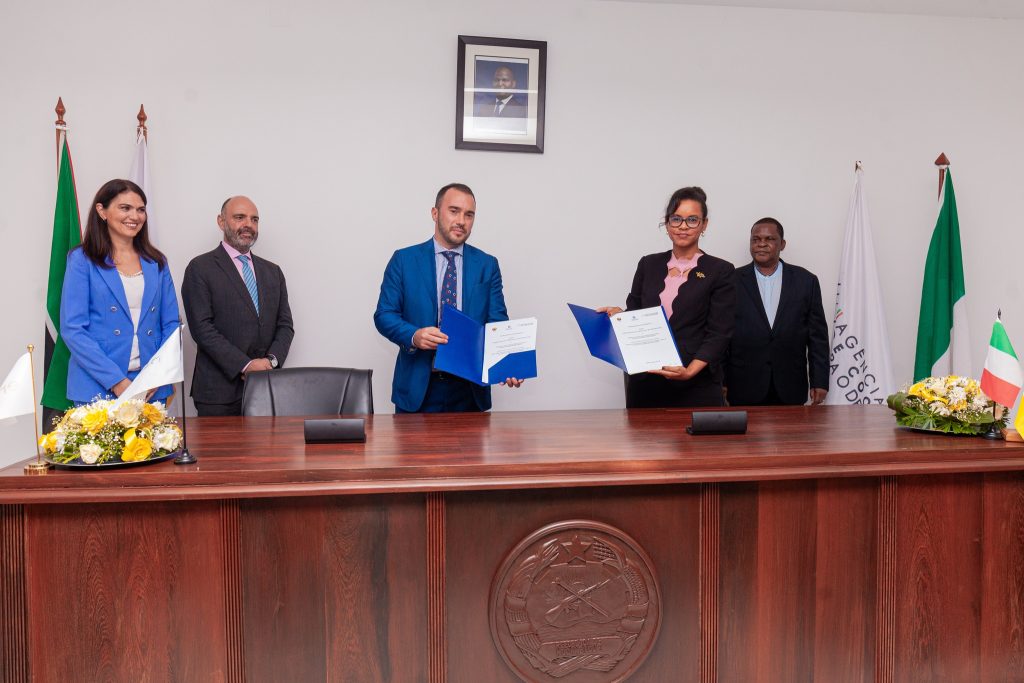
The event also featured the signature of a Memorandum of Understanding between AICS, represented by Paolo Enrico Sertoli, Head of AICS Maputo Office, and the Government of Cabo Delgado Province, represented by Iolanda Almeida, Provincial Director of Tourism and Culture.

The ceremony concluded with the first meeting of the Programme’s Steering Committee, consolidating institutional coordination and a shared vision for the sustainable development of Cabo Delgado’s coastal communities.

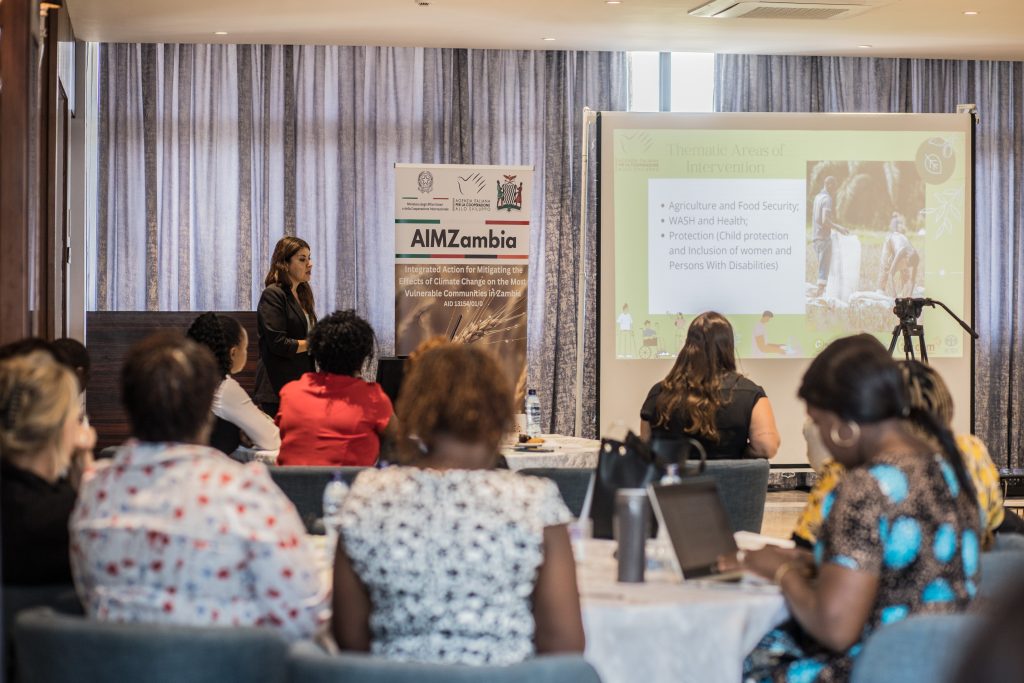
Launch of AIM Zambia Project

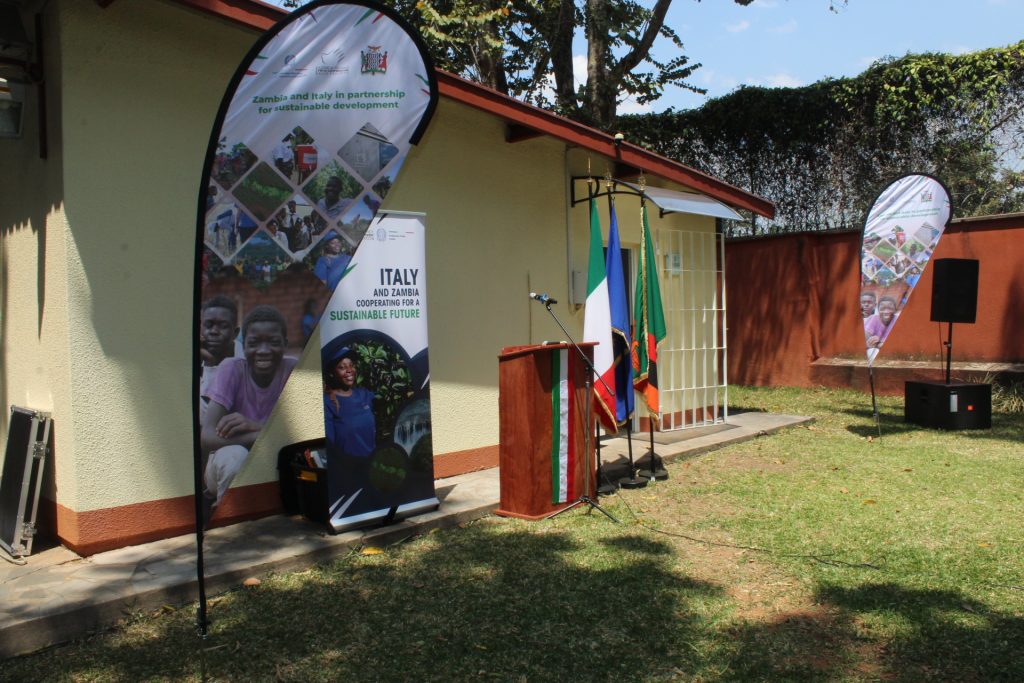
The AIM Zambia initiative was launched on  9 October in Lusaka, funded by the Italian Ministry of Foreign Affairs and International Cooperation (MAECI) through the Italian Agency for Development Cooperation (AICS). The programme aims to strengthen resilience and improve the living conditions of rural communities across Zambia. It forms part of a broader €3.5 million regional programme designed to enhance climate resilience and mitigate the impacts of El Niño in Zambia, Mozambique, and Malawi.

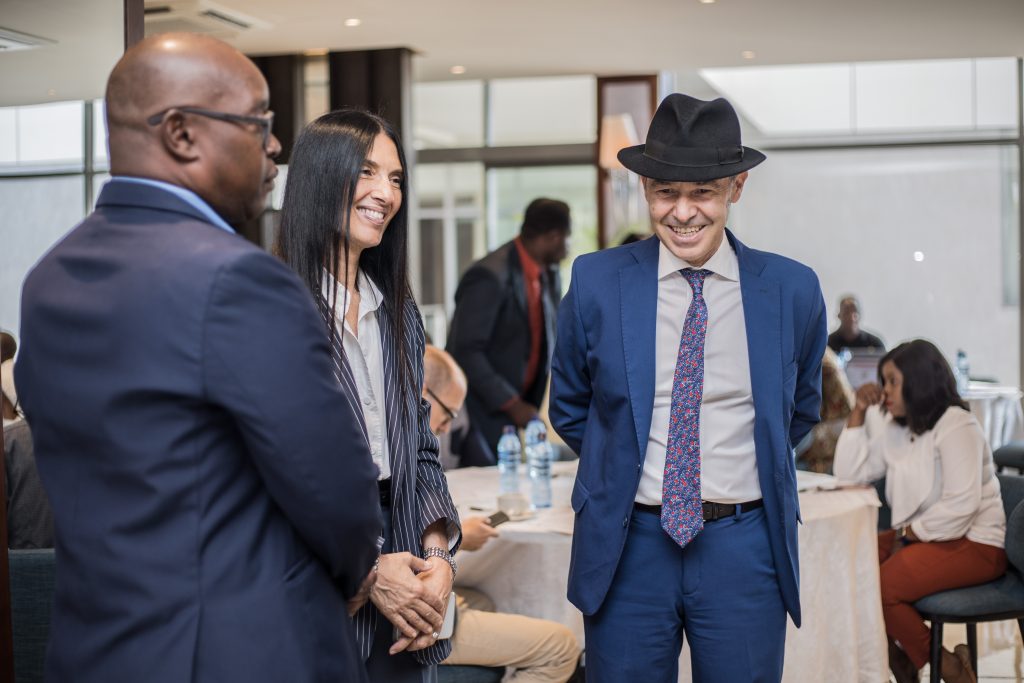
The launch event was attended by H.E. Enrico De Agostini, Ambassador of Italy to Zambia; Mr. Makoye Chisuta, Representative of the Disaster Management and Mitigation Unit (DMMU); Ms. Luciana Andreini, Manager of the AICS Office in Lusaka; as well as representatives from implementing partners, donors, and the Government of Zambia.

Specifically, the project seeks to enhance the resilience and living conditions of rural communities in the Western, Southern, Central, and Lusaka Provinces, reaching approximately 61,850 people, including children, pregnant and breastfeeding women, and persons with disabilities. It will be implemented by CELIM, in partnership with Africa Call Organisation, CBM, People in Need, ADRA, and Keepers Zambia Foundation.

Luciana Andreini, Manager of the AICS Lusaka Office, together with H.E. Enrico De Agostini, the Italian Ambassador to Zambia.

During her remarks, Luciana Andreini underlined that “Zambia has experienced the devastating effects of El Niño, one of the most severe droughts in recent history. Entire harvests have been lost, livestock has perished, and millions of households are facing food insecurity.” Indeed, President Hakainde Hichilema declared the El Niño crisis a national disaster, underscoring the magnitude of its impact.

The programme will not only respond to the immediate effects of the crisis but also aims to build the resilience of vulnerable communities so they can better withstand future climate shocks, as highlighted by the AICS Manager in Lusaka.

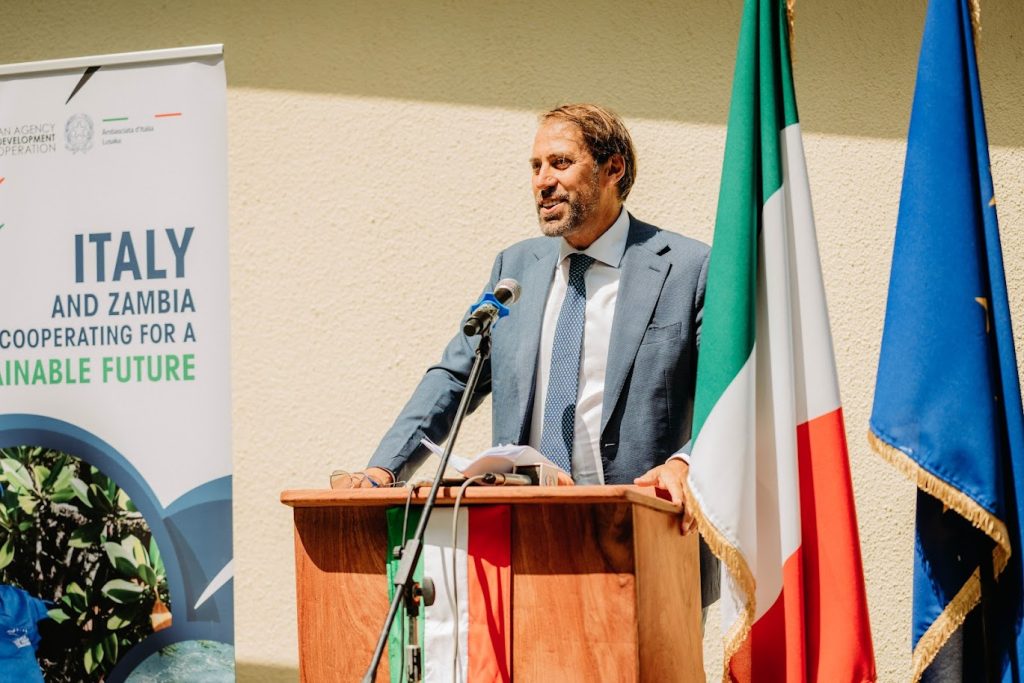
The Ambassador of Italy to Zambia further added, “Climate change is real and the occurrence of weather-related catastrophic events cannot be ruled out in Zambia. But humans adapt. This project aims at providing the populations concerned with the correct instruments to face them: climate-smart agriculture is a necessity in modern Zambia and Italy is here to help.”


Zambia has been recognized as a priority country for the Italian Cooperation since 2024. Last month, the new Italian Cooperation / AICS Office in Lusaka was inaugurated, reaffirming Italy’s long-term commitment to the country. The AIM Zambia Project represents a strong signal of Italy’s renewed engagement and commitment to supporting Zambia’s sustainable and inclusive development.


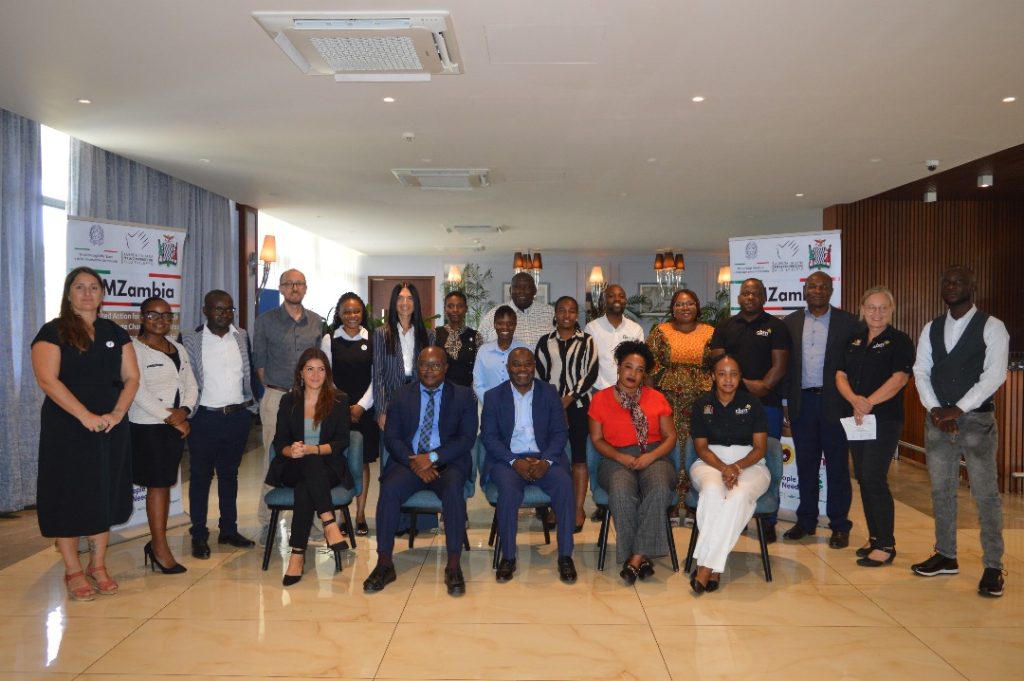
Group photo

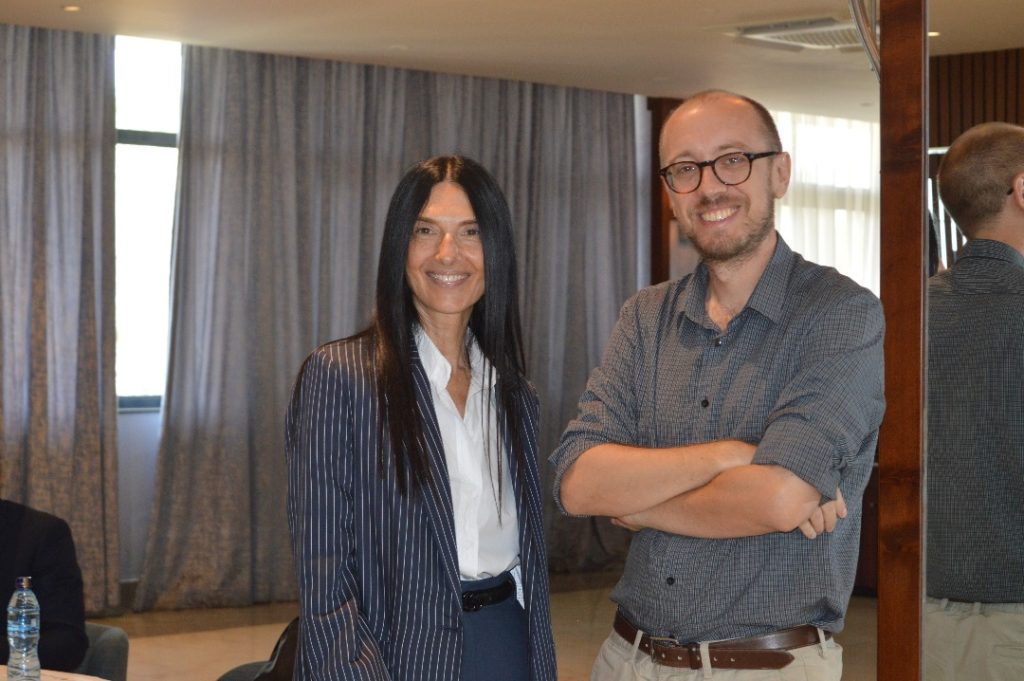
Luciana Andreini Manager AICS Lusaka Office with Mattia Binacchi, Africa Call Organization


Italy and Mozambique celebrate the rehabilitation of the Natural History Museum of Maputo

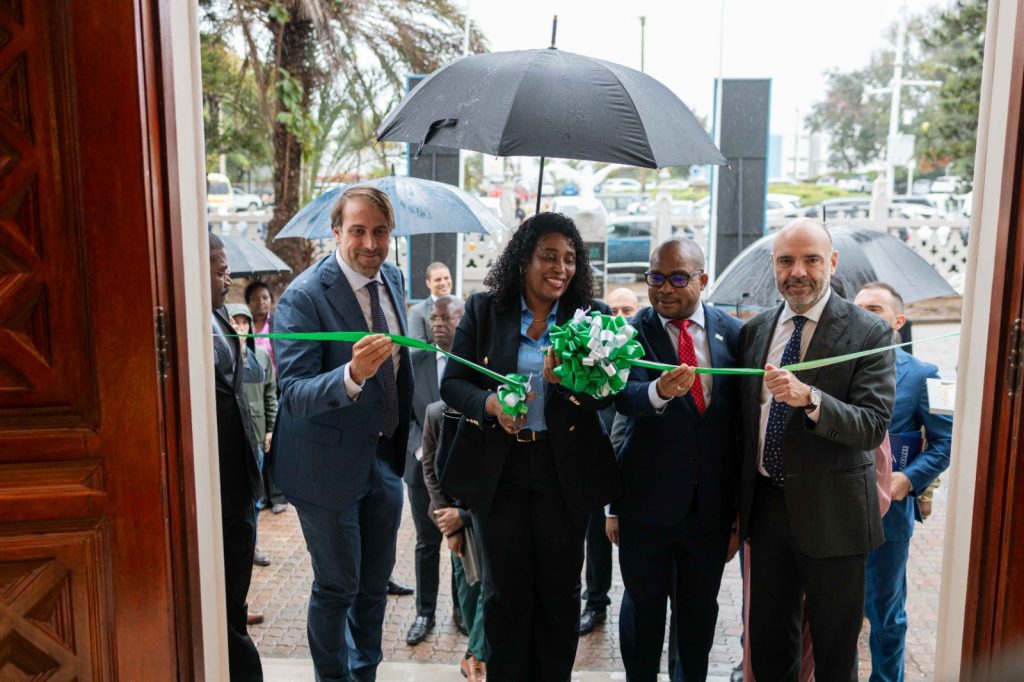
On 29 September 2025, the official ceremony for the reopening of the Natural History Museum of Maputo took place, following more than two years of intensive rehabilitation works.

The project, funded by the Italian Ministry of Foreign Affairs and International Cooperation (MAECI) through the Italian Agency for Development Cooperation (AICS), represented an investment of €4,250,000 specifically dedicated to the refurbishment of the Museum, within the framework of the RINO programme, through its COREBIOM component, which promotes initiatives for the enhancement, rehabilitation, and conservation of marine and terrestrial biodiversity.

Coordinated by the Museum Centre of Sapienza University of Rome, in partnership with the Anton Dohrn Zoological Station and the NGO WeWorld, the project also includes the creation of a National Biodiversity Conservation Centre, with the aim of strengthening the Museum’s role as a scientific and educational reference point.

The ceremony was attended by several high-level dignitaries, including the Minister of Culture and Education, Samaria Tovela, the Ambassador of Italy to Mozambique, Gabriele Annis, the Director of AICS, Marco Riccardo Rusconi, the Rector of Eduardo Mondlane University, Manuel Guilherme Júnior, and the Director of the Museum, Lucília Chuquela.

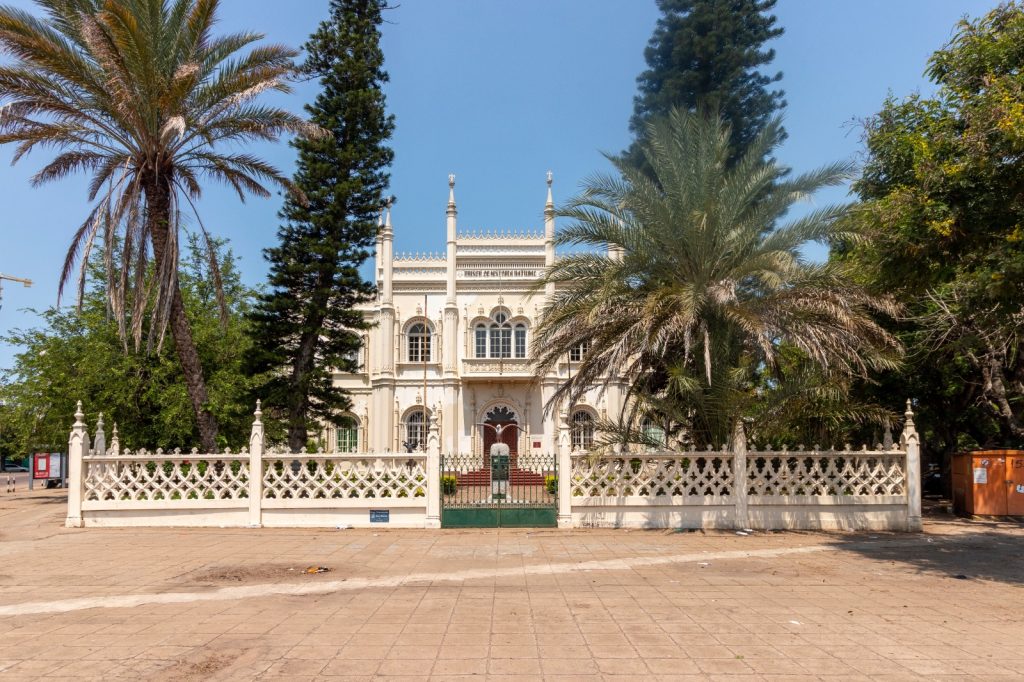
Founded in 1911 and housed since 1933 in a historic Manueline-style building, the Museum is one of Mozambique’s most emblematic monuments. Closed to the public in October 2023, it underwent extensive architectural, museological, and museographic interventions, carried out by a multidisciplinary team of Italian and Mozambican experts linked to Sapienza University.

Among the main highlights are the installation of solar panels and an elevator, the modernization of lighting and air-conditioning systems, the construction of internal restrooms, and the creation of a bookstore, a café, and access ramps for persons with disabilities, as well as a room for temporary exhibitions.

On the museological side, the exhibitions were restored and updated with a modern approach that recreates different natural habitats, adding rooms dedicated to seagrasses and to the great inhabitants of the sea. The exhibition route has been enriched with information accessible to visitors with visual and hearing impairments, making the experience more inclusive and educational.

An educational space has also been created for children and young visitors to explore biodiversity, and the Museum has undergone a rebranding process, with a new logo that modernizes its institutional image while preserving its historical identity.

The Museum’s collections stand out for their scientific and cultural value, comprising more than 200 mammals, 10,137 birds, 176,527 insects, 1,250 invertebrates, and 150 taxidermied reptiles. Among its treasures are the world’s only collection of elephant foetuses, documenting month-by-month gestational development up to the twenty-second month, and a coelacanth specimen, considered a true “living fossil”, captured in August 1991 in the Mozambique Channel — a milestone for science in the country.

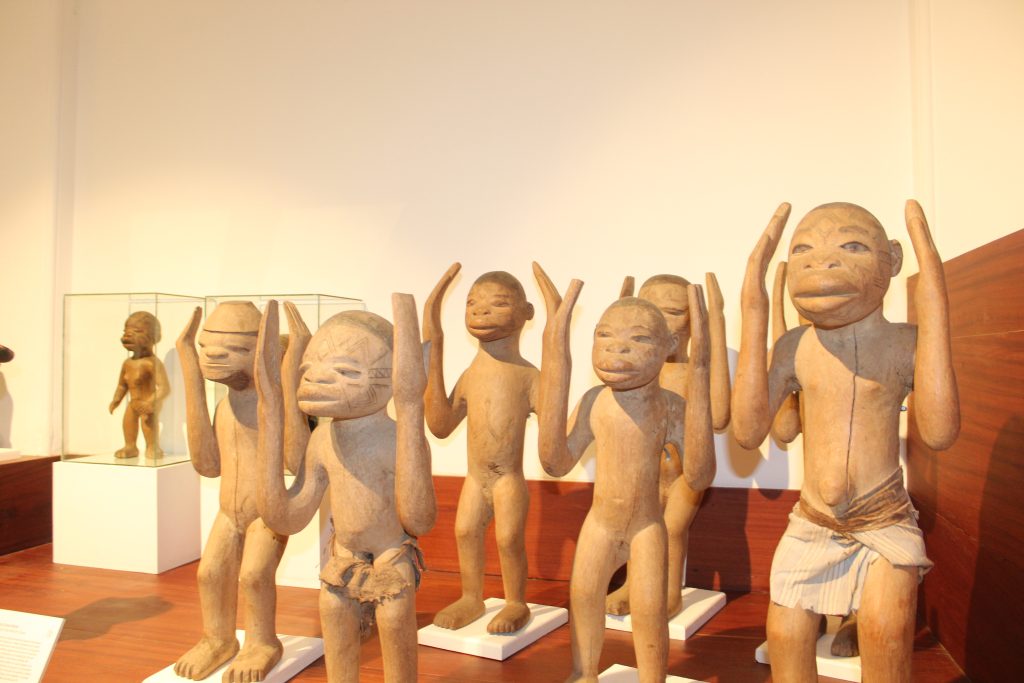
The refurbished Museum also includes an ethnographic gallery featuring around 500 objects representing the cultural practices of various Mozambican peoples — including art, sculpture, music, goldsmithing, pottery, and basketry — complemented by a historical photographic archive.

During the ceremony, the Ambassador of Italy to Mozambique, Gabriele Annis, remarked: “Our common goal was clear: not only to restore a historic building, but to relaunch the Museum as a gateway to Mozambique’s environmental knowledge — as a national centre for biodiversity conservation and as an educational and scientific space capable of shaping new generations of researchers and informed citizens.”

 The Director of AICS, Marco Riccardo Rusconi, emphasized the structural impact of the initiative: “A key milestone of this transformation is the creation of the National Biodiversity Conservation Centre, which has already started preparing monitoring protocols and training programmes in close collaboration with the relevant Ministries and Eduardo Mondlane University.”

For his part, the Rector of Eduardo Mondlane University, Manuel Guilherme Júnior, expressed his gratitude: “We wish to sincerely thank all those who contributed to the rehabilitation process of our Natural History Museum, with special recognition to our partners from the Italian Republic.”

The reopening of the Natural History Museum of Maputo marks a historic milestone for the preservation of Mozambique’s cultural and scientific heritage, symbolizing not only the promotion of research, education, and culture, but also the strengthening of cooperation between Mozambique and Italy.

Through this refurbishment, the Museum takes on a renewed role as a centre for knowledge, scientific dissemination, and cultural attraction, contributing to the promotion of biodiversity and the development of a new environmental awareness in the country.

Visit of the AICS Director to Mozambique.

From September 27 to 30, the Director of the Italian Agency for Development Cooperation (AICS), Marco Riccardo Rusconi, carried out a mission to Mozambique, during which he visited several projects supported by the Italian Cooperation.

Accompanied by the Head of the Maputo Office, Paolo Enrico Sertoli, the Director visited the Municipality of Marracuene, where he became acquainted with the activities of the A-GEO project – Environment, Green/Blue Economy and Employment – which, thanks to Italian funding, has transformed Macaneta into the country’s pilot beach.

During the visit, Rusconi observed aquaculture activities promoted by a local association, which had already benefited from the distribution of 19,750 fingerlings to the Hobjana Association. He also visited the four lifeguard towers and attended a practical demonstration conducted by the 18 lifeguards trained under the project. Together with the President of the Marracuene Municipal Council, Shafee Sidat, he discussed prospects for future collaboration, including the construction of new infrastructures to support local development, such as a police station or a fish market.

The mission also included an important institutional moment with the inauguration of the new Operations Room of CENOE, implemented under the Ready2Act programme. The initiative is led by the National Institute for Disaster Risk Management and Reduction of Mozambique (INGD) in partnership with the CIMA Foundation, in collaboration with WeWorld, and with the strategic support of the Italian Civil Protection Department.

Mozambique is among the most climate-vulnerable countries in Africa, as demonstrated by past cyclones such as Idai, Kenneth and Freddy. “Thanks to this new facility, the country is now better prepared to coordinate responses to climate and humanitarian emergencies. Integrated within the national civil protection system, this Operations Room strengthens Mozambique’s capacity to forecast, alert, and respond in a coordinated manner to emergencies,” Rusconi commented.

The mission also featured a significant moment for the promotion of cultural and scientific heritage: the reopening of the Natural History Museum of Maputo, a historic building in the capital founded in 1911 and closed in 2023 for rehabilitation works, carried out thanks to a €4,250,000 investment under the RINO programme, specifically dedicated to its enhancement.

The Museum’s collections stand out for their extraordinary scientific and patrimonial value: among the most remarkable exhibits are more than 200 mammals, 10,137 birds, 176,527 insects, 1,250 invertebrates and 150 taxidermied reptiles. Alongside this unique collection, the renovated Museum includes new thematic areas, such as an ethnographic hall featuring around 500 objects related to the cultural practices of Mozambique’s diverse peoples – art, sculpture, music, goldsmithing, pottery and basketry – complemented by a historical photographic archive.

In his address, Director Rusconi emphasized that “Mozambique now has a renewed and modern Natural History Museum, designed for the future of research and conservation. The Italian Cooperation is proud to have contributed to this achievement and reaffirms its commitment to science, education, and sustainability.”

During his stay, the Director also met with the AICS technical team to review the progress of ongoing projects, as well as with GONG – the umbrella organization coordinating more than 36 civil society organizations in the country. He also held meetings with representatives of the private sector, such as ENI, and with the academic community, including Sapienza University of Rome and the CIMA Foundation. Finally, he met with the Dom Bosco Institute to explore possible future collaborations.

Commenting on the outcomes of the mission, Rusconi stated: “Mozambique is a priority country for the Italian Cooperation, which has been present here for half a century, and for the Mattei Plan. We are working to implement ambitious projects as quickly as possible, involving civil society, Italian technical excellence, the private sector and academia. In this way, we aim to present ourselves to our Mozambican friends as comprehensive partners.”

Italy Inaugurates Cooperation Office in Lusaka, Strengthening Partnerships with Zambia and Malawi

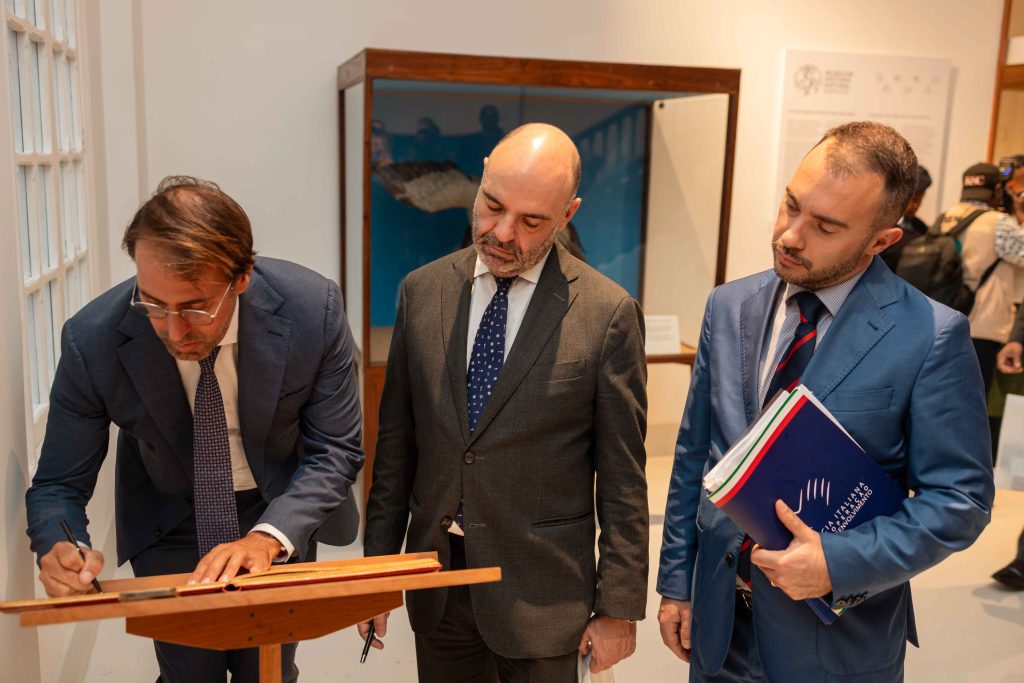
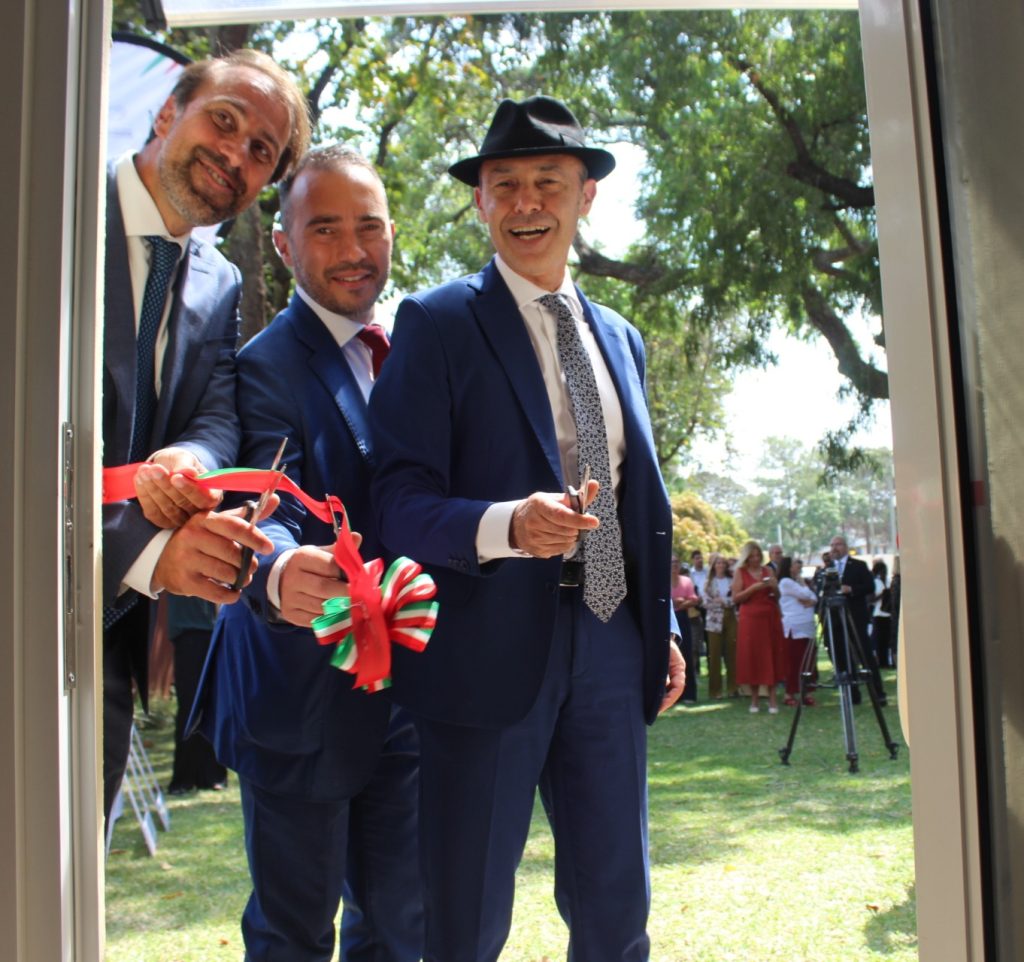
On September 12, 2025, at the Embassy of Italy in Lusaka, the new Italian Cooperation Office/AICS was inaugurated, a strategic hub to strengthen development partnerships in Zambia and Malawi.

The opening took place as part of the Global Gateway Fact-Finding Mission: African Climate Summit & Lobito Corridor, highlighting Italy’s strong commitment to sustainable development in Southern Africa. The ceremony was attended by H.E. Enrico De Agostini, Ambassador of Italy to Zambia; Marco Riccardo Rusconi, Director of the Italian Agency for Development Cooperation (AICS); Paolo Enrico Sertoli, Head of the AICS Maputo Office; members of the diplomatic corps accredited to Zambia; representatives of Italian Civil Society Organizations; delegates from the Global Gateway Mission and senior officials of the Government of Zambia. Representing AICS were also Paola Abenante, Desk Officer for Africa, Luciana Andreini, Manager of the AICS Office in Lusaka and Miguel Almeida, Communication Officer, AICS Maputo Office.

Italy and Zambia share a partnership that predates Zambia’s independence in 1964, rooted in landmark initiatives such as the Kariba Dam, built in the 1950s by a consortium of Italian companies, the FIAT assembly plant in Livingstone and the Indeni Refinery, built by AGIP. Alitalia also played a pivotal role in establishing Zambia Airways and training its pilots.

Bilateral ties have grown even stronger in recent years. The visit of President Sergio Mattarella in 2022 stated Italy’s commitment to Zambia, which was confirmed by President Hichilema’s return visit to Rome in November 2023. In June 2024, following a visit by a high-level Italian delegation led by Director General Stefano Gatti, the country was designated a priority partner for the Italian Cooperation and placed under the coordination of the AICS Maputo Office.

In his welcome speech, the Ambassador of Italy to Zambia, H.E. Enrico De Agostini, said that “While the signature of a bilateral Framework Cooperation Agreement is still pending, we are already pressing ahead with concrete initiatives, fully aligned with the principles of the Mattei Plan”.

Director AICS – Marco Riccardo Rusconi

Among these initiatives is a €6 million investment in the Northern and Copperbelt provinces, within the Lobito Corridor region, focused on restoring biodiversity in degraded ecosystems, strengthening value chains such as honey, legumes, and mushrooms, and promoting inclusive business models. Complementing this, the AIM Zambia Project will address the severe impacts of El Niño by strengthening resilience through agriculture, nutrition, water and sanitation, and social inclusion interventions.

The new Lusaka office will also be responsible for initiatives funded by the Italian Cooperation in Malawi, where it is supporting projects in sustainable agriculture, coffee sector development, and health.

As underlined by Marco Riccardo Rusconi, Director of AICS: “Italy has been active in Zambia for over sixty years, but what has been missing in the last 30 years was development Cooperation and a dedicated physical space to coordinate our growing engagement. Today, with the opening of this office, we mark a new chapter.”

Miguel Almeida- Communication Officer AICS Maputo and Luciana Andreini – Manager of the AICS Lusaka Office

AICS Maputo showcases projects and collaborations at the 60th edition of FACIM

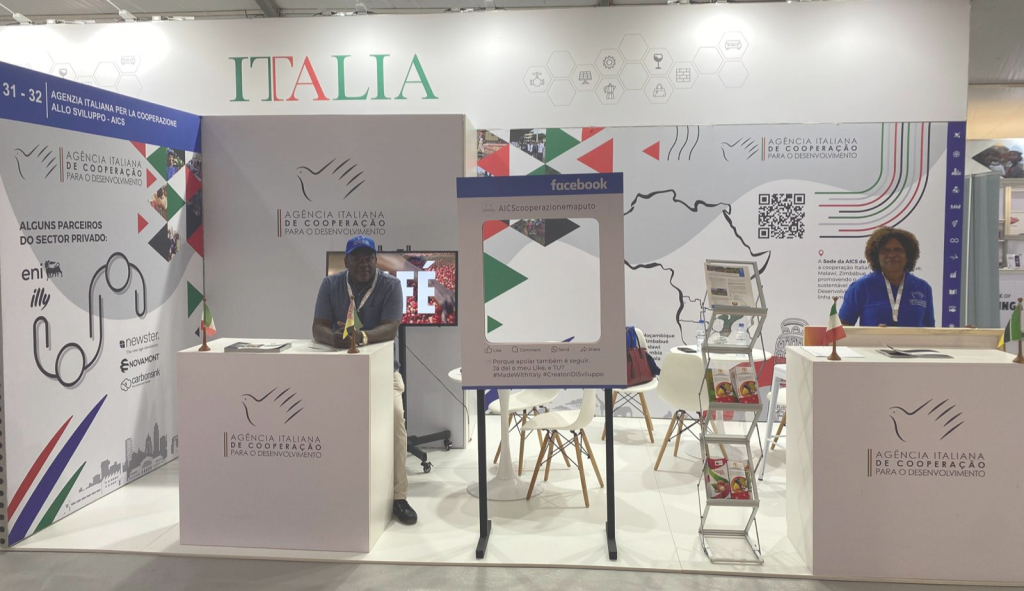
The Italian Agency for Development Cooperation (AICS) – Maputo Office took part in the 60th edition of the Maputo International Fair (FACIM), the country’s largest private sector event, held from August 25 to 31 in Marracuene. The AICS stand was featured in the Italy Pavilion, organized by the Italian Trade Agency (ICE), alongside 15 Italian companies, showcasing the know-how and excellence of Made in Italy.

For FACIM, AICS prepared a diverse cultural agenda. On August 26, Agriculture Day, the panel From Bean to Cup: The Mozambican Coffee Value Chain and the Mattei Plan in Action was held. The event was attended by AICS Deputy Head Maria Cristina Pescante, Simone Santi, President of the Italy–Mozambique Chamber of Commerce, Paolo Gozzoli, ICE Representative in Mozambique, as well as representatives from the Ministry of Agriculture, Environment and Fisheries, UNIDO, and Amocafé.

During the session, the Maputo Coffee Hub was presented—a center for the promotion and valorization of Mozambican coffee to be established at FEIMA under the MAIS VALOR 2 project, implemented by UNIDO and financed by the Italian Government through AICS.

On this occasion, Maria Cristina Pescante emphasized: “We want to revitalize Mozambican coffee through an approach focused on quality and sustainability, ensuring that small producers have real access to opportunities.”

The meeting concluded with a coffee cupping session, allowing participants to taste over eight varieties of Mozambican coffee, promoting excellence and highlighting the potential of the country’s coffee sector.

On August 27, Health Day, 71 people underwent free screenings for conditions such as diabetes and hypertension. In collaboration with Radio Mozambique, awareness messages on preventing non-communicable diseases were broadcast. Additionally, a 30-minute physical activity session reinforced the importance of exercise in preventing these illnesses.

Finally, on August 29, Employment Creation Day, Deputy Head Maria Cristina Pescante delivered a presentation on AICS and prospects for collaboration with the private sector. This was followed by the panel Connecting Education, Innovation and Enterprises in Mozambique”, featuring Paolo Gozzoli, ICE Director, Luís Neves Domingo, Director of CIUEM, and Inácio Ticongolo, professor at ISUTC – Higher Institute of Transport and Communications.

The event concluded with a pitching session by four start-ups, selected among the 35 supported by the Eduardo Mondlane University business incubator, established through the Coding Girls and ICT4DEV programs.

The AICS stand attracted numerous visitors, including entrepreneurs, students, journalists, and others eager to learn more about Italian Cooperation projects in Mozambique. A highlight of the week was the visit of the President of the Republic of Mozambique, Daniel Chapo, who expressed his appreciation for AICS’s contribution to the country’s sustainable development during the official opening.


DELPAZ continues to consolidate fairer, more peaceful, and more resilient communities

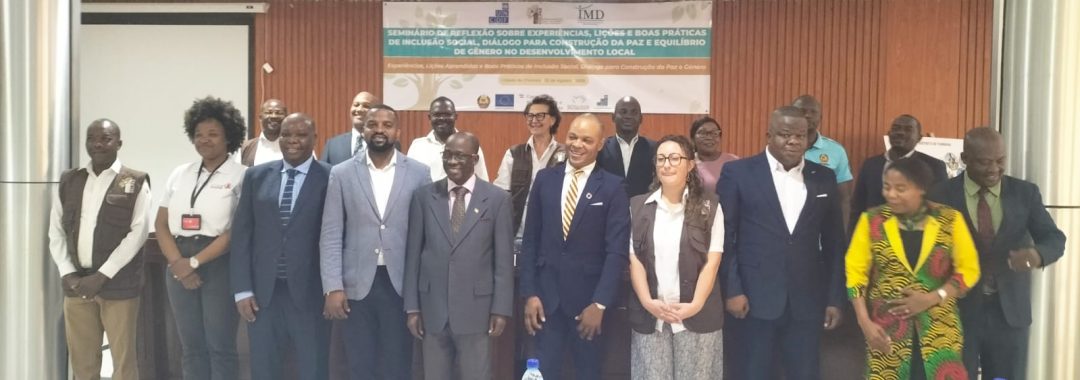
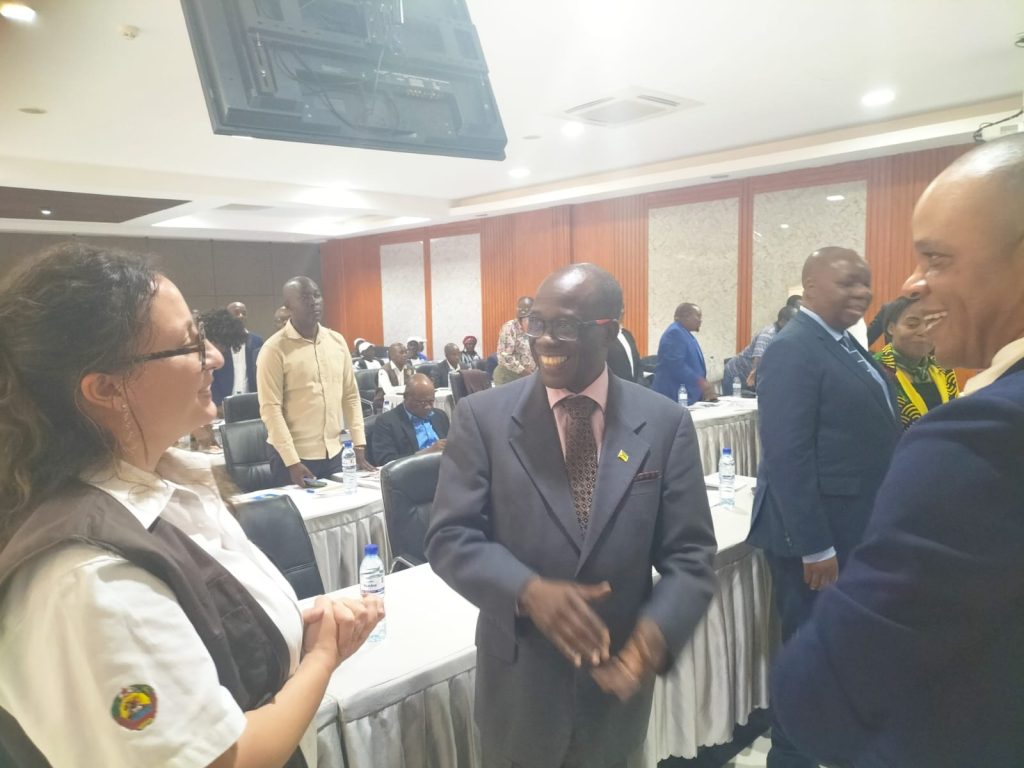
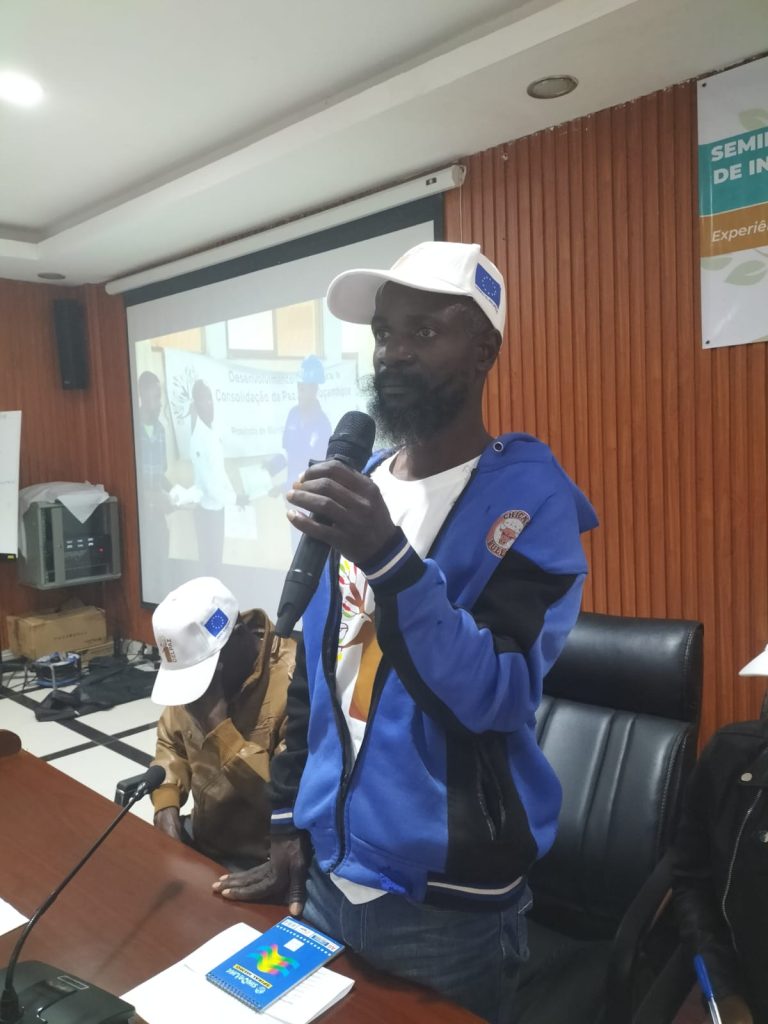
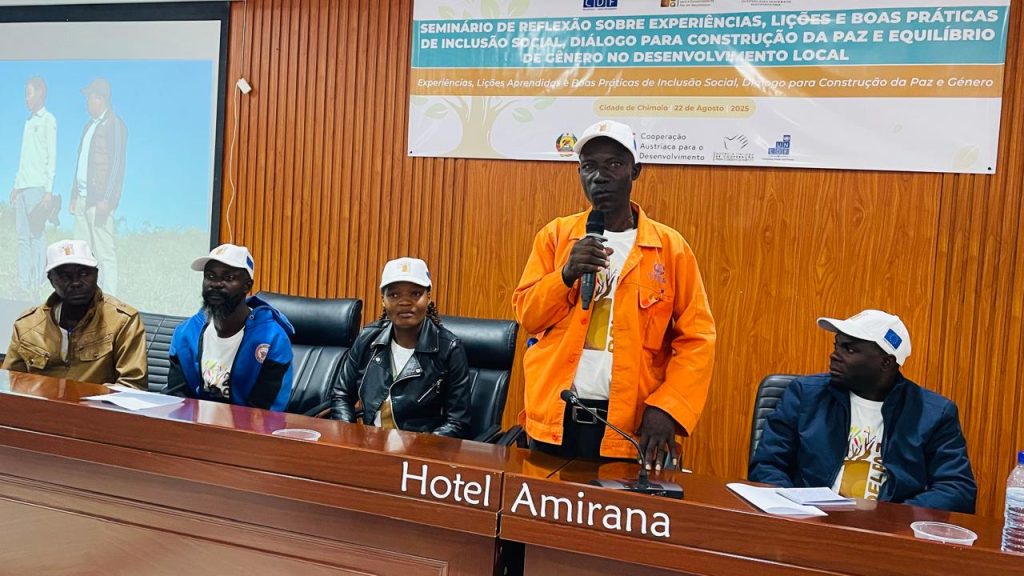
Over 100 participants from 14 districts where DELPAZ is being implemented, in the provinces of Sofala, Manica, and Tete, together with partners, gathered yesterday in Chimoio (Manica) to reflect on four years of program implementation. They agreed that DELPAZ is consolidating fairer, more peaceful, and more resilient communities.

At the reflection seminar on experiences, lessons, and good practices of social inclusion, dialogue for peacebuilding, and gender balance in local development, participants emphasized that the most relevant experiences are focused on valuing diversity and promoting dialogue.

They highlighted greater participation of women, the recognition of local voices, the strengthening of community dialogue – which acknowledges and values local languages – equity of opportunities, reintegration of historically marginalized groups such as ex-combatants and conflict victims, as essential pathways to building a fairer, more peaceful, and more resilient society.

Speaking on the occasion, Osman Cossing, Program Coordinator at the Institute for Multiparty Democracy (IMD) – which organized the event – stated that “Peace is real when it is inclusive and voices are heard and valued,” stressing that “democracy begins with dialogue.”

Tony Mossio, DELPAZ coordinator for the local governance component through the United Nations Capital Development Fund (UNCDF), noted that support was provided at all levels in an inclusive, participatory process, sensitive to cultural, gender, and ideological differences, despite initial challenges due to limited understanding of the program.

Meanwhile, Pedrito Cambrão, Dean of the Faculty of Social Sciences and Humanities at UniZambeze University, when addressing the theme “Peace, governance and inclusive local development in a post-conflict context”, underlined that without peace, everything is unstable and fragile. He insisted on the need for educational practices that heal the wounds of the past, consolidate dialogue, reconciliation, forgiveness, listening, and sharing.

“The rope that is not well tied comes undone with the first rain,” he remarked, alluding to the fact that if commitments in the Demobilization, Disarmament and Reintegration (DDR) process of Renamo ex-combatants are not treated seriously, “we risk reopening old wounds and losing the delicate thread that holds us together.”

Quoting the proverb “the river does not drink its own water”, he appealed to the executive power not to act for its own benefit and reinforced that “there is no peace that can endure without the people.”

Community Champions

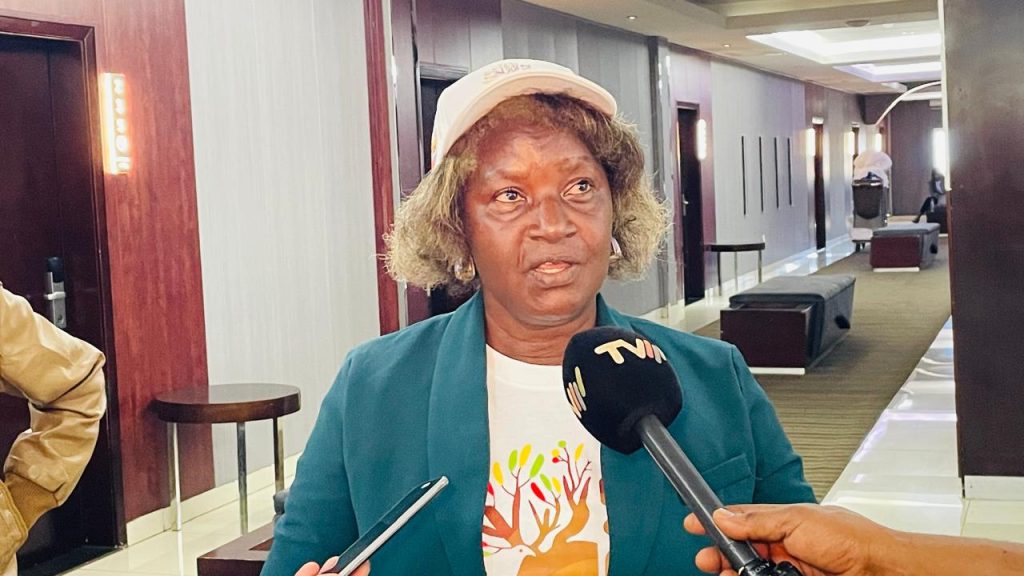
The voices of community champions, who shared the transformations experienced in their lives and communities, were one of the highlights of the presentation of DELPAZ’s historical results, delivered by Giulia Zingaro of the Italian Agency for Development Cooperation (AICS). AICS implements DELPAZ in the provinces of Manica and Tete, with the support of Helpcode leading the NGO consortium in Manica and Save the Children in Tete.

Isac Cerveja, president of Ponto Verde in Báruè, Manica district, earned strong applause when he proudly declared: “We were small farmers, and now we are small entrepreneurs,” thanks to a broadened vision that recognizes agriculture as a driver of development.

“The expansion of Ponto Verde to five hectares enabled the purchase of an irrigation motor pump with our own resources from agricultural product sales, and now DELPAZ has provided a system capable of irrigating up to 60 hectares of farmland,” he said, also highlighting new market linkages, including participation at FACIM last year and again this year, as a key element for financial sustainability.

Similarly, Alcélia Aristide Saimon, another DELPAZ champion, explained that after completing a tailoring course, she now sews clothes to sell in remote communities with little access to clothing. In the poorest areas, she exchanges garments and school uniforms for maize, ensuring that children can attend school.

Armando Taunde expressed satisfaction with the inclusion of his children in vocational training across several practical fields, noted that their activities are progressing, and appealed for the program to be extended to other districts not yet covered by DELPAZ.

Independent consultants Luís Taiado and Nelson Moda presented preliminary results of a study focused on lessons and good practices of social inclusion, gender empowerment, dialogue for peacebuilding, and equitable local development. They pointed to broader and more active participation of women, including DDR beneficiaries, and emphasized that DELPAZ has successfully rooted itself in communities.

However, they cautioned that despite progress achieved, challenges remain, such as weak coordination among partners, local governments, and communities during DDR implementation, as well as perceptions of stigmatization and marginalization among some DDR members who still do not fully identify with the program.

Given the complexity of the Mozambican context, marked by periods of armed conflict and socio-political tensions, an appeal was made to strengthen dialogue, which has proven to be an indispensable tool for building sustainable peace.

The Secretary of State of Manica Province, Lourenço Lindone, who opened and closed the event, praised the engagement of cooperation partners in seeking resources to fund programs that improve the social lives of the population in the three provinces.

“The main lines of intervention of DELPAZ, [a program of the Government of Mozambique funded by the European Union] have complemented the efforts of central and local government in promoting good practices for harmonious social coexistence in communities,” stressed Lourenço Lindone.


Harare (Zimbabwe) – Launch of Two Cross-Border Projects Between Mozambique and Zimbabwe

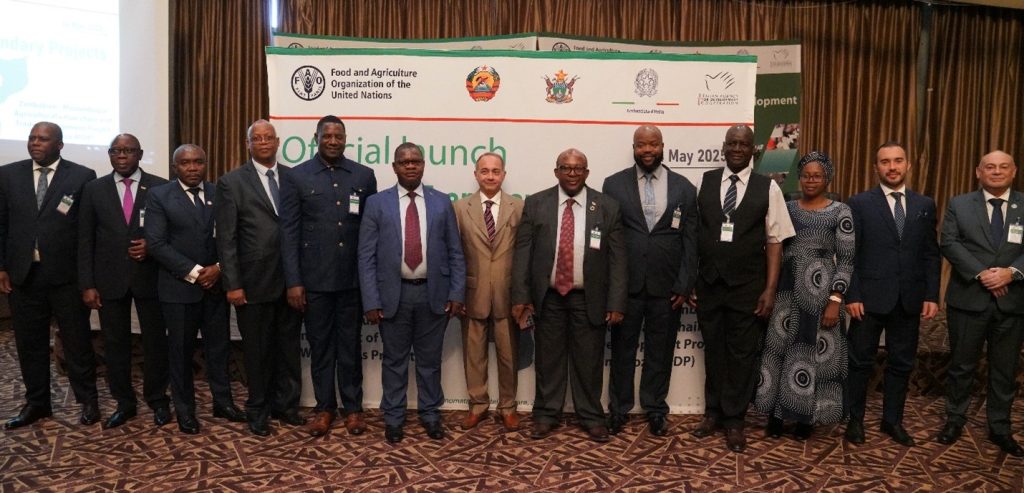
Harare, 14 May 2025 – Today, the official launch of two cross-border projects between Mozambique and Zimbabwe took place in Harare. The projects are funded by the Italian Government through the Italian Agency for Development Cooperation (AICS) and implemented by the Food and Agriculture Organization of the United Nations (FAO).

The event was attended, among others, by His Excellency the Ambassador of Italy to Zimbabwe, Umberto Malnati; the Head of the AICS Office in Maputo, Paolo Enrico Sertoli; the FAO Regional Coordinator for Southern Africa, Patrice Talla Takouman; as well as representatives of the governments of Mozambique and Zimbabwe. These included, on the Zimbabwean side, Secretaries of State from the Ministries of Foreign Affairs and International Trade, and of Lands, Agriculture, Fisheries, Water and Rural Development; and on the Mozambican side, representatives from the Ministry of Agriculture, Environment and Fisheries, and the Ambassador of Mozambique to Zimbabwe, Carvalho Muária.

Signed in July 2024 and officially launched today in Harare, the two cross-border projects have a combined budget of €8.5 million and are being implemented in shared border areas between Mozambique and Zimbabwe. These initiatives aim to improve ecosystem health, strengthen agricultural value chains, and increase the participation of local communities in national, regional, and international markets.

The first project focuses on the sustainable management of the Miombo woodlands, one of the largest dry forest ecosystems in the world, stretching across 2.7 million square kilometres in Southern Africa and covering Angola, the Democratic Republic of the Congo, Malawi, Mozambique, Tanzania, Zambia, and Zimbabwe. These forests are vital to millions of people in rural areas, providing essential resources such as firewood, food, and water. The initiative aims to directly benefit 5,000 families in selected areas, promoting gender equality and youth participation. It aligns with the regional commitment made in August 2022, when eleven SADC Member States, including Mozambique and Zimbabwe, signed the Maputo Declaration on the Miombo Forest, setting priorities for the sustainable management and governance of this ecosystem’s natural resources. Through this initiative, Italy proudly positions itself as one of the first donors to have invested in the issue in response to the Maputo Declaration.

The second project, titled “Agricultural Value Chain and Trade Development Between Mozambique and Zimbabwe (ATDP Zim-Moza),” aims to enhance agricultural value chains and trade between the two countries. By improving market access, developing production practices, and promoting cross-border collaboration, the project intends to strengthen the economic prospects of smallholder farmers and agri-businesses. Targeted value chains include citrus, pineapple, banana, coffee, macadamia nuts, maize, and various vegetables. A strong synergy is expected with the Manica Agro-Food Centre (CAAM) initiative, which is part of the Italian Government’s Mattei Plan for Africa.

The Ambassador of Italy to Zimbabwe, Umberto Malnati, stated that “these projects reflect a shared vision: to contribute to the resilience, sustainability, and regional integration of Southern Africa by promoting the inclusive and equitable use of natural and productive resources through strengthened partnerships between the two countries.” He further noted that the initiative aligns with the Mattei Plan for Africa, which promotes a renewed model of cooperation based on listening, mutual partnership, and the enhancement of local potential.

For his part, the Head of AICS Maputo Office, Paolo Enrico Sertoli, affirmed that “these projects are not just opportunities for technical collaboration but represent a concrete platform to strengthen ties between our countries, fostering economic growth and human development while respecting and protecting the rich biodiversity that unites our territories.”

Patrice Talla, FAO Regional Coordinator for Southern Africa, emphasized that “the Miombo woodlands are among the largest dry forest ecosystems in the world” and that, “when managed sustainably, they mitigate climate shocks, conserve biodiversity, prevent land degradation, and strengthen food and energy security.”

Later in the day, the first steering committee meeting of the two cross-border initiatives was held, with the participation of representatives from the governments of Zimbabwe and Mozambique, the Italian Agency for Development Cooperation, and the Food and Agriculture Organization of the United Nations. During the meeting, the Terms of Reference for the implementation of the projects were approved.

The initiatives launched today represent a concrete step by Italy to reinforce its commitment to sustainable environmental management, the promotion of inclusive and resilient agricultural value chains, and deeper regional integration between Mozambique and Zimbabwe.