Validation Workshop on the Strategic Study for the Expansion of the Community Multimedia Centres Network and the Government Network

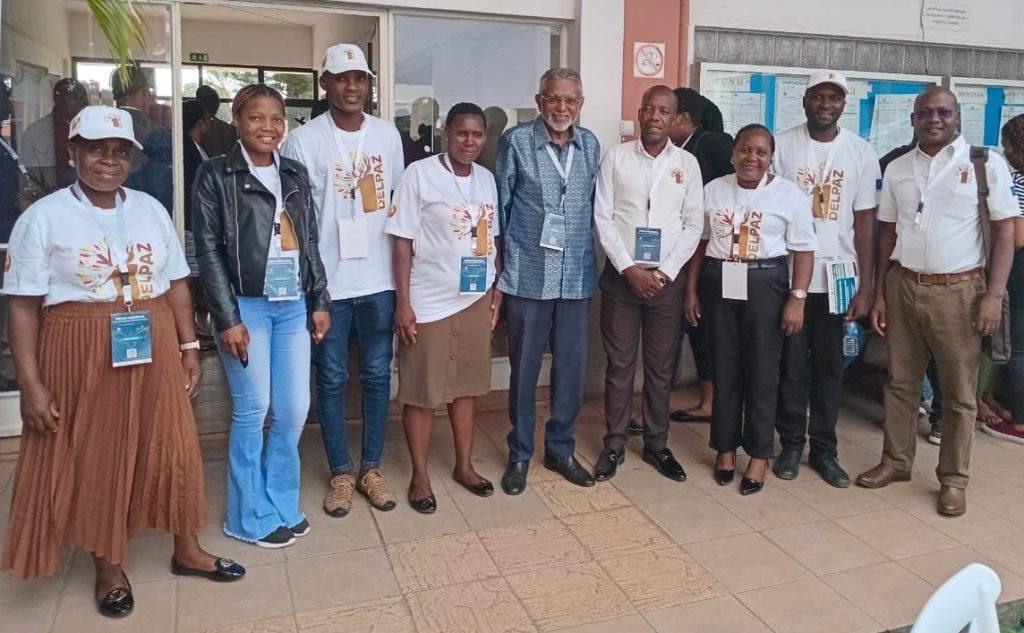
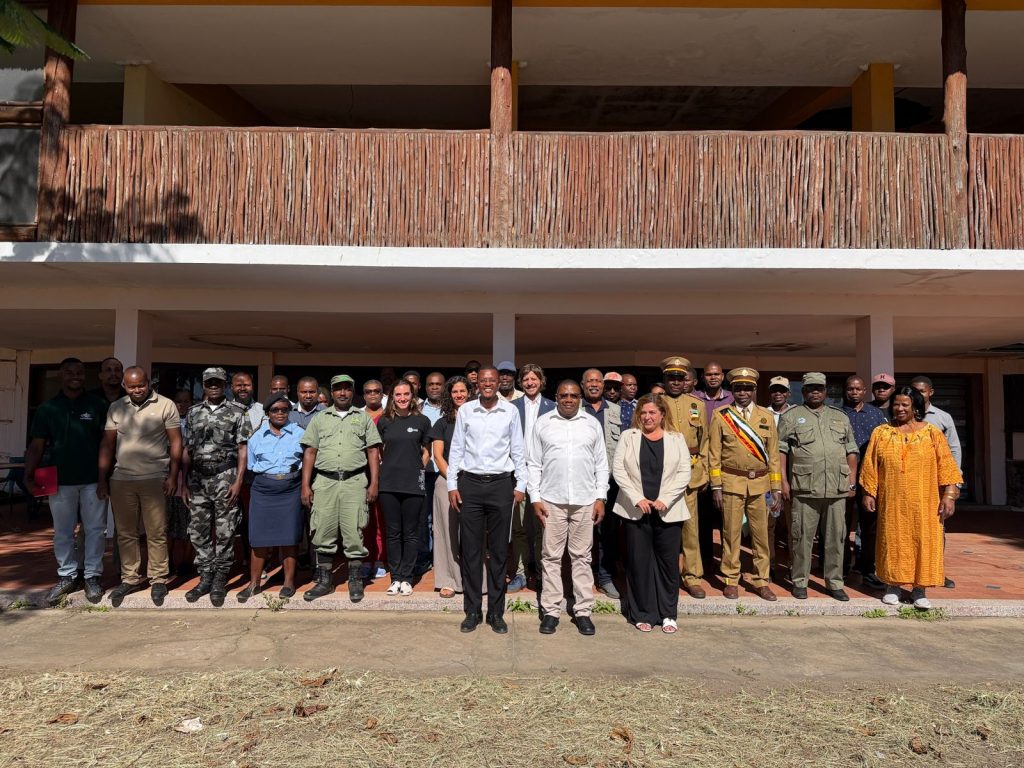
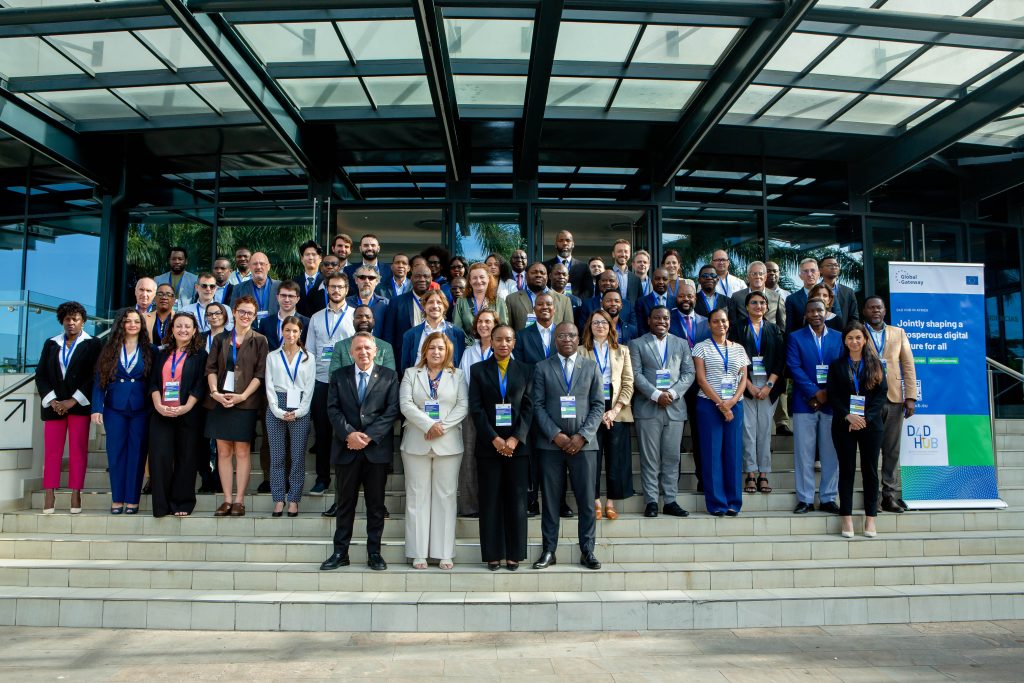
On 18 June, the validation workshop for the strategic study on the expansion of the Community Multimedia Centres (CMC) network and the Government Network (GovNet) was held in Maputo.

The event brought together around 90 participants representing government institutions, development partners, academic and research institutions, civil society organisations and the private sector.

Notable participants included Dr Fabio Strinati, Head of Office III – Opportunities and Economic Development at the Italian Agency for Development Cooperation (AICS); Maria Cristina Pescante, Deputy Head and Acting Head of the AICS Regional Office in Maputo; Igna Macule, Inspector General at the Ministry of Communications and Digital Transformation (MCTD); and Deborah Capela, Digitalisation Sector Manager at the Delegation of the European Union to Mozambique.

The workshop marked the final phase of the strategic study commissioned by AICS and implemented by the consulting firm NIRAS Mozambique, in close collaboration with the Delegation of the European Union to Mozambique and the MCTD.

The study is funded under the D4D Hub programme, a multi-stakeholder platform led by the European Union that operates under the Team Europe approach. The initiative promotes multi-sector partnerships and leverages investments to support a human-centric digital transformation, serving as a key instrument for achieving the digital ambitions of the Global Gateway strategy.

Covering five provinces and 17 districts across Mozambique, the study aimed to generate technical evidence, identify operational options and ensure the institutional validation required to support informed decision-making on the expansion of GovNet and the development of the CMC network.

This approach has enabled the creation of a robust and shared evidence base, essential for guiding future decisions by the Government of Mozambique regarding the expansion of GovNet and the strengthening of the Community Multimedia Centres network. These two pillars are fundamental to ensuring access to digital public services for rural populations, helping to reduce territorial inequalities and promote a more inclusive digital transformation.

During his remarks, Dr Fabio Strinati highlighted that: “All these initiatives demonstrate how the D4D Hub has become a concrete instrument for strengthening political dialogue, facilitating knowledge transfer and building lasting partnerships between Europe and partner countries. They also demonstrate the value of the Team Europe approach, which enables the coordinated mobilisation of the expertise, resources and operational capacities of Member States and European institutions.”

The study also represents a concrete example of this approach, based on listening, evidence gathering and collaboration between public and private stakeholders, with the aim of formulating realistic and action-oriented recommendations capable of supporting the Government of Mozambique in its strategic decision-making.

The evidence generated by the study will now help guide the expansion of GovNet to new districts, contributing to bridging the digital divide and promoting more equitable access to digital public services across the country.
Adinha’s Smile

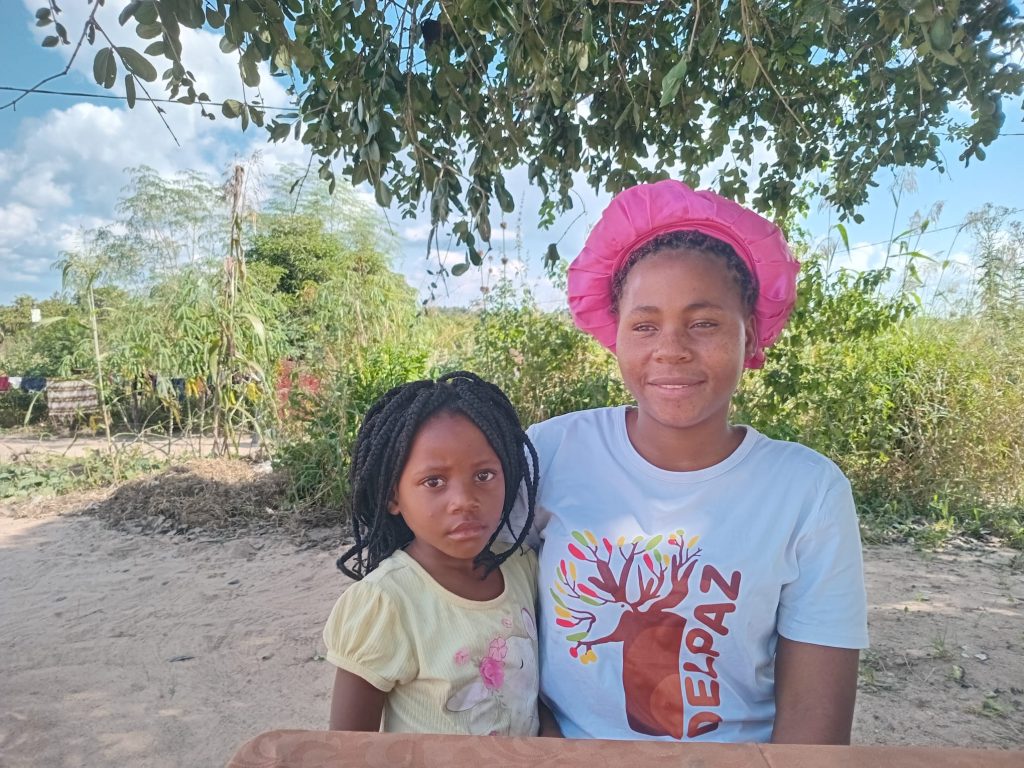
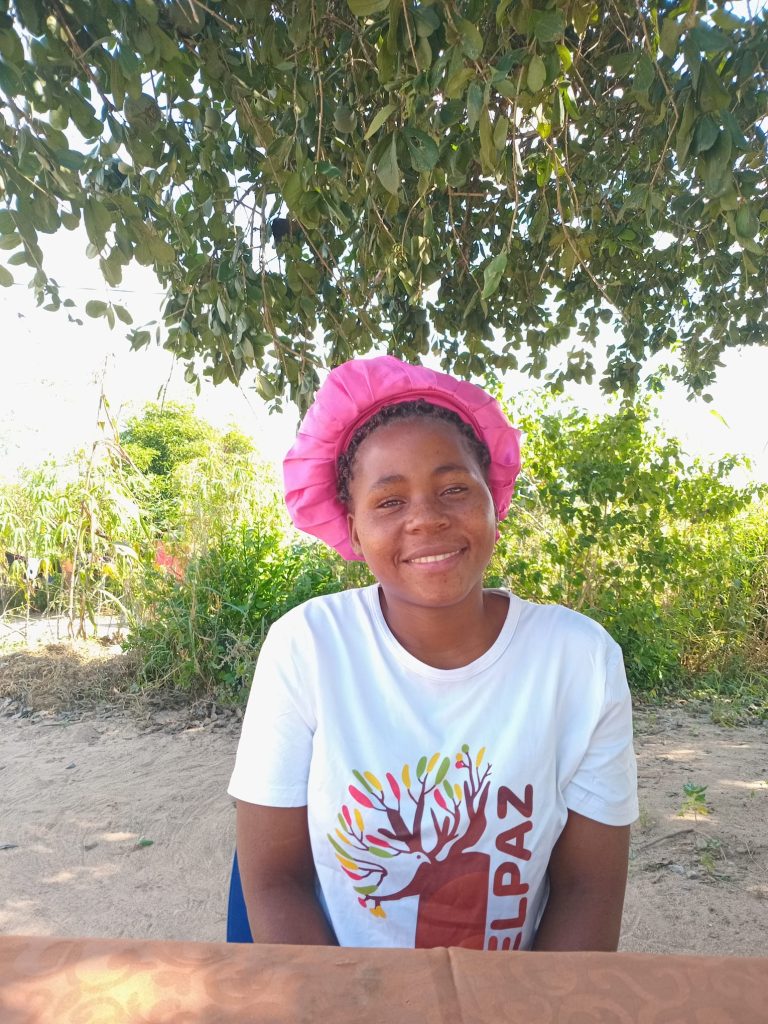
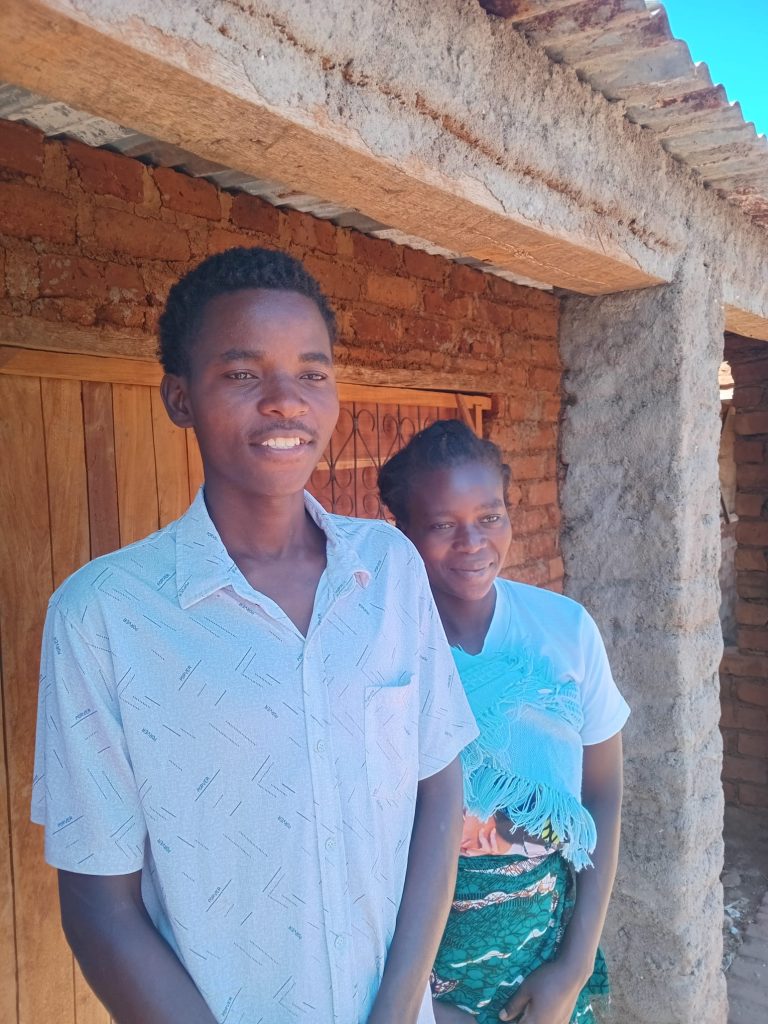
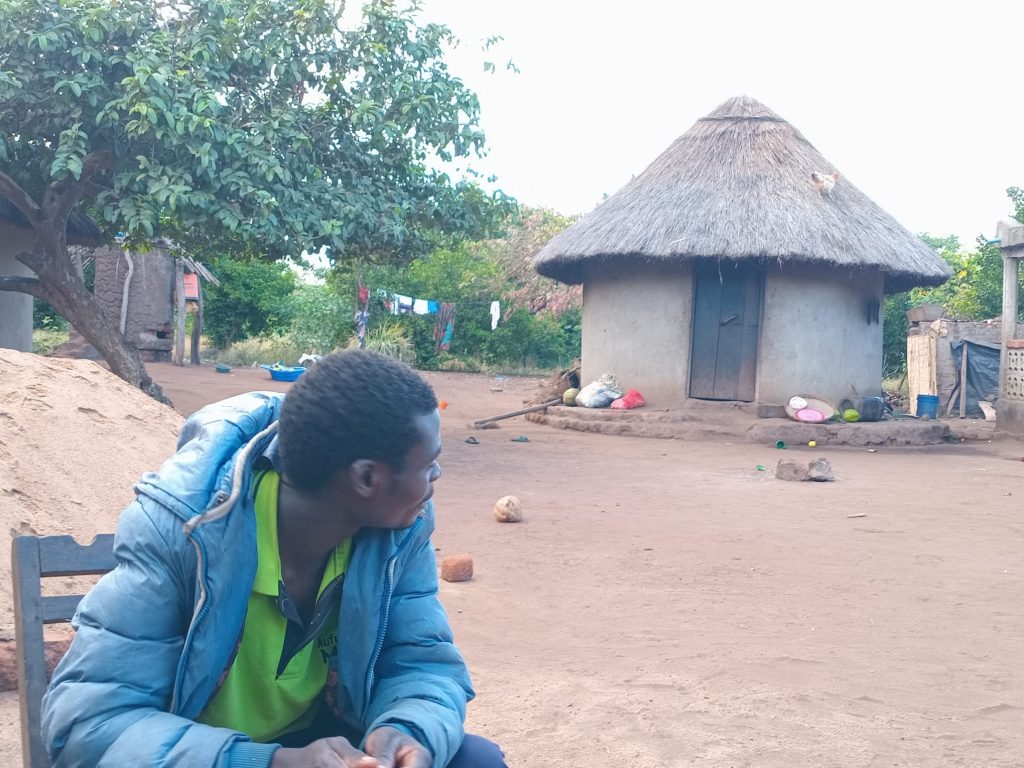
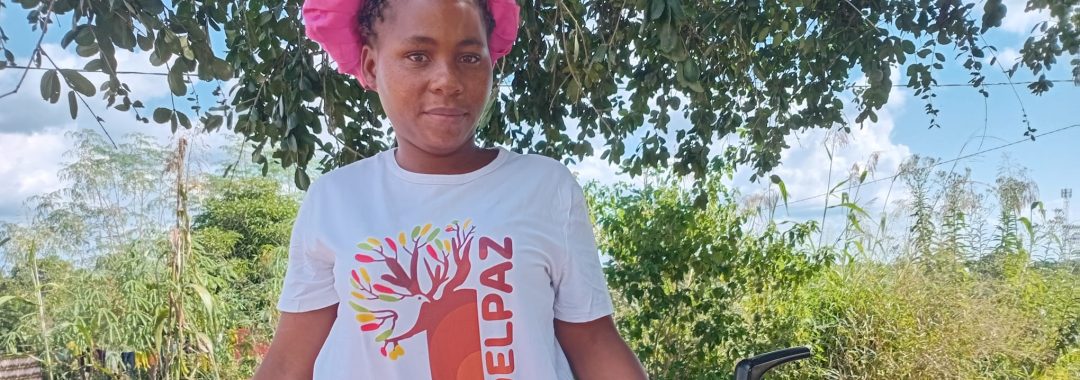
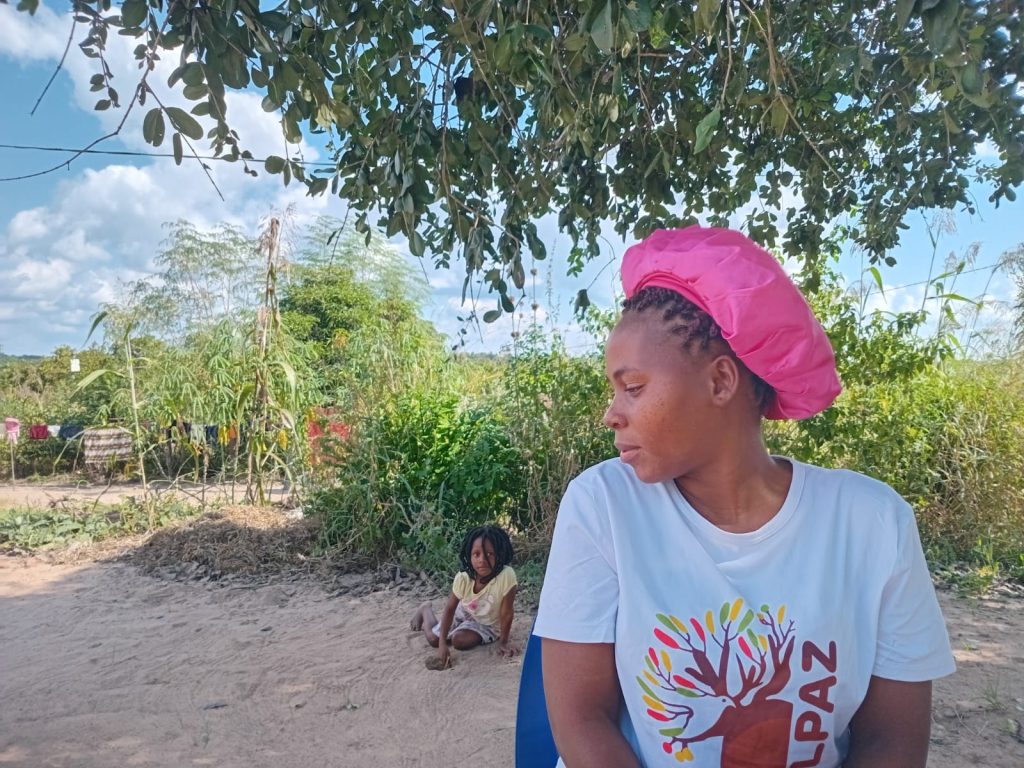
In the village of Muda Serração, where the sound of machinery has not echoed for many years and time seems to move at the pace of the land, lives Adinha Pita, a 26-year-old woman with a smile that insists on shining, even when life feels heavy.

Muda Serração takes its name from an old sawmill, the oldest in Manica Province, now silent. Here, women work the land, take care of the children and the home, while the men, for the most part, leave for the mines of South Africa.

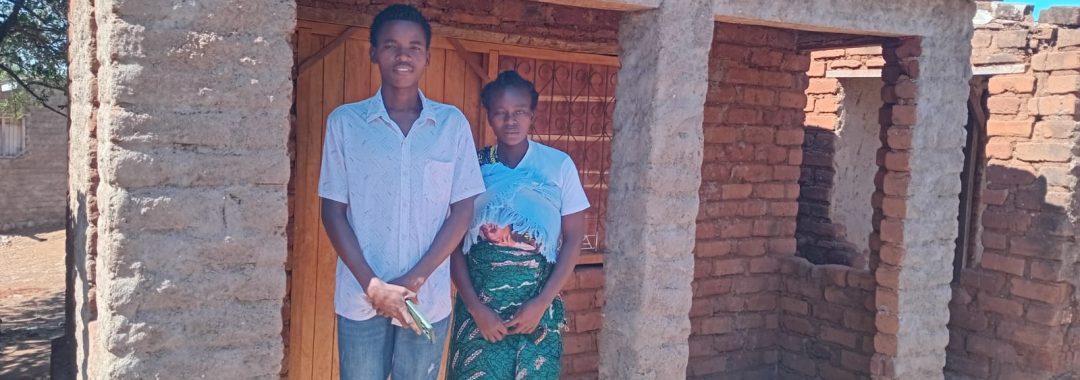
Adinha once had her dreams built for two as well. But life sometimes chooses difficult paths. Serious problems in her marriage forced her to return to her parents’ home, bringing with her what matters most: her daughter Betty, aged 6, and little António, just 4 months old.

The children’s father remained behind — and with him, responsibility that never came in the form of support. But Adinha does not speak of this with bitterness. She speaks of the future.

While António smiles in the capulana that wraps him on his mother’s back, she imagines the day when she will be able to start again. She is simply waiting for the baby to grow a little more, to reach six months, so she can go in search of work — or, even better, create her own path.

Adinha took a decisive step when she attended a cookery course at IFPELAC in Chimoio, promoted under the DELPAZ programme, in cooperation with district authorities, within the framework of local economic development. She was selected from among other candidates and, from the outset, stood out for her dedication and willingness to learn. Throughout the training, she refined her skills, gained confidence, and began to imagine new possibilities for her future.

In the end, she received more than a certificate: she received tools to dream with. An electric kettle, a mixer, a table, a chair and an electric cake oven — small items that, in the right hands, become tangible bridges towards a different future.

“Here it is not easy to sell cakes,” she says. “People are not very used to celebrations. This is a rural area.”

Cake prices range from 650 to 1000 meticais depending on size.

Even so, there are special days. 1 June, for example, when Children’s Day is celebrated. In such moments, someone remembers Adinha. And she responds with dedication, turning flour, eggs and sugar into decorated cakes that bring joy to the celebration.

And Adinha dreams beyond cakes.

She imagines a small roadside stall — Muda Serração lies between Muxúnguè and Inchope — a place where travellers can stop and find hot food: rice, curry, samosas. A small stand where she could sell ready-made meals and earn enough for herself and her children.

“There are no stalls like that here,” she says. “It would be a good opportunity.”

And she believes. She believes with a calm certainty, the kind that makes no noise but endures.

She is not alone. Mr André Bartolomeu, focal point for DELPAZ in Gondola District, follows her journey closely.

“She is a good girl,” he says. “She showed that during the course. And she has worked very hard.”

He believes Adinha will find her place. And she believes it too.

For now, Adinha finds strength in small things: in Betty’s laughter, in António’s quiet breathing, and in messages exchanged with her course colleagues in a WhatsApp group where they share ideas, challenges and courage.

Because, deep down, Adinha knows: her story is not made only of hardship.

And while the world around her seems still, like the old sawmill that gave the village its name, inside her everything continues to move. The future has not yet arrived — but it has already begun.


The First Metalworker of Pindanganga

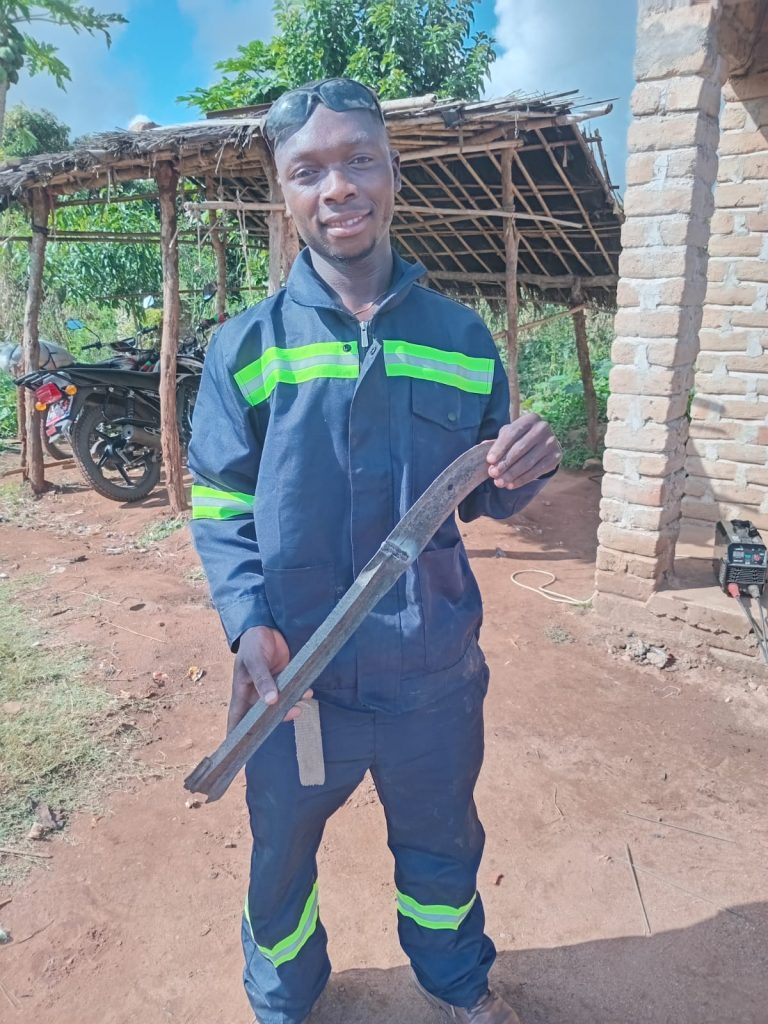
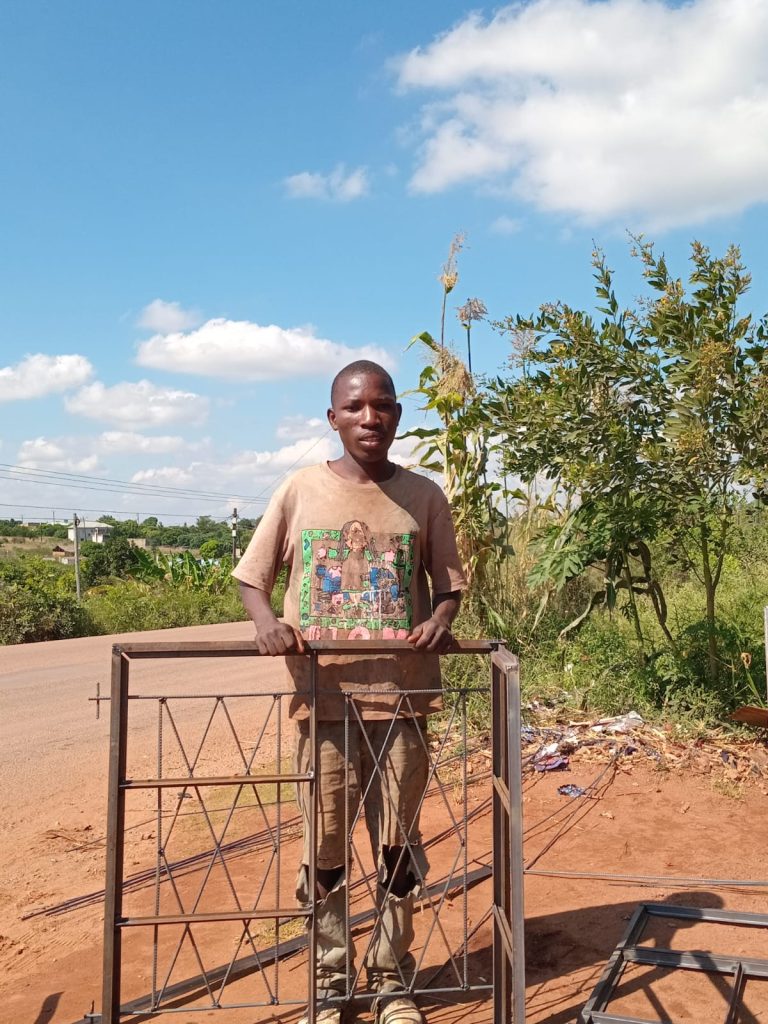
Lucas Daniel is 22 years old and has never left Pindanganga, a small village in the district of Gondola. It was there that he grew up, among red earth, mango trees, sugar cane, maize fields and sorghum. He studied up to 10 class and, after that, he began to help his parents with their small crop.

For a long time, his future seemed already mapped out: working the land, just like his father. However, in 2024, an opportunity arose that would change the course of his life. Lucas was selected, along with twenty other young people from the district, to attend a training course at IFPELAC in Chimoio, promoted under the DELPAZ programme, in cooperation with district authorities, as part of local economic development.

It lasted only two weeks, but they were intense — enough to open up new horizons for him and awaken fresh perspectives about his future.

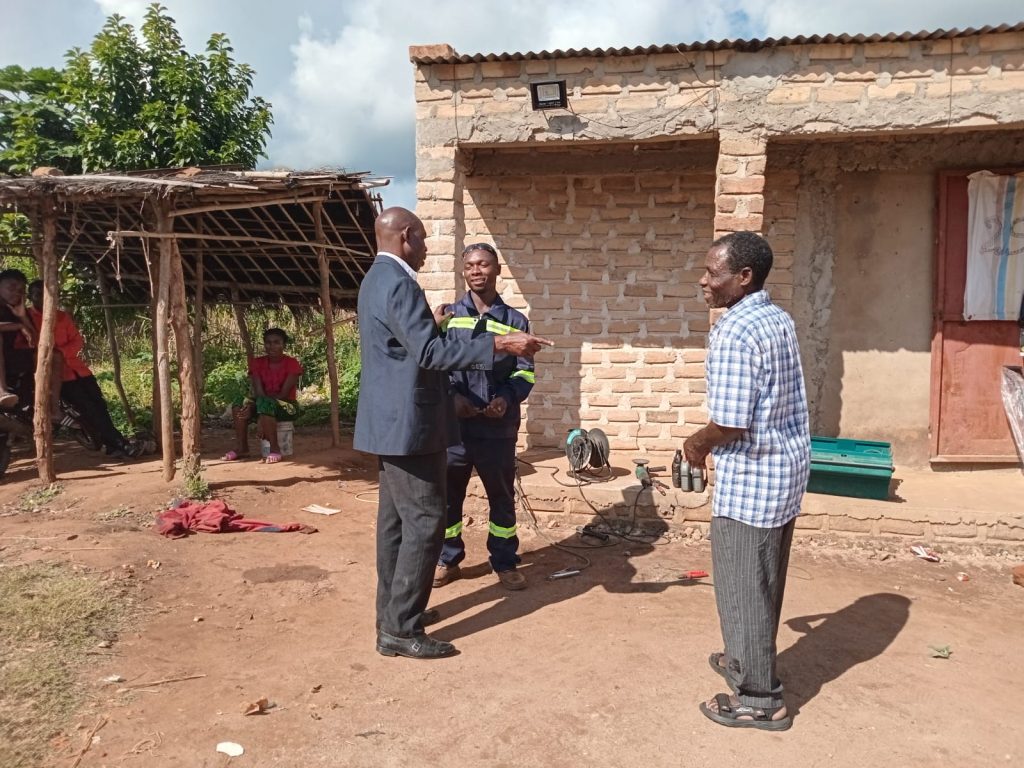
There was no metalworker in his village. Any problem involving metal parts meant people had to travel dozens of kilometres. Lucas saw this gap as an opportunity. Without hesitation, he chose the metalworking course.

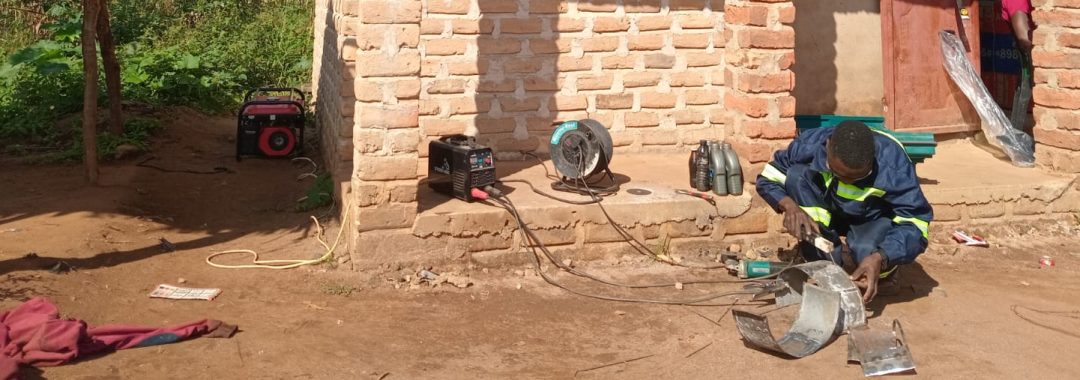
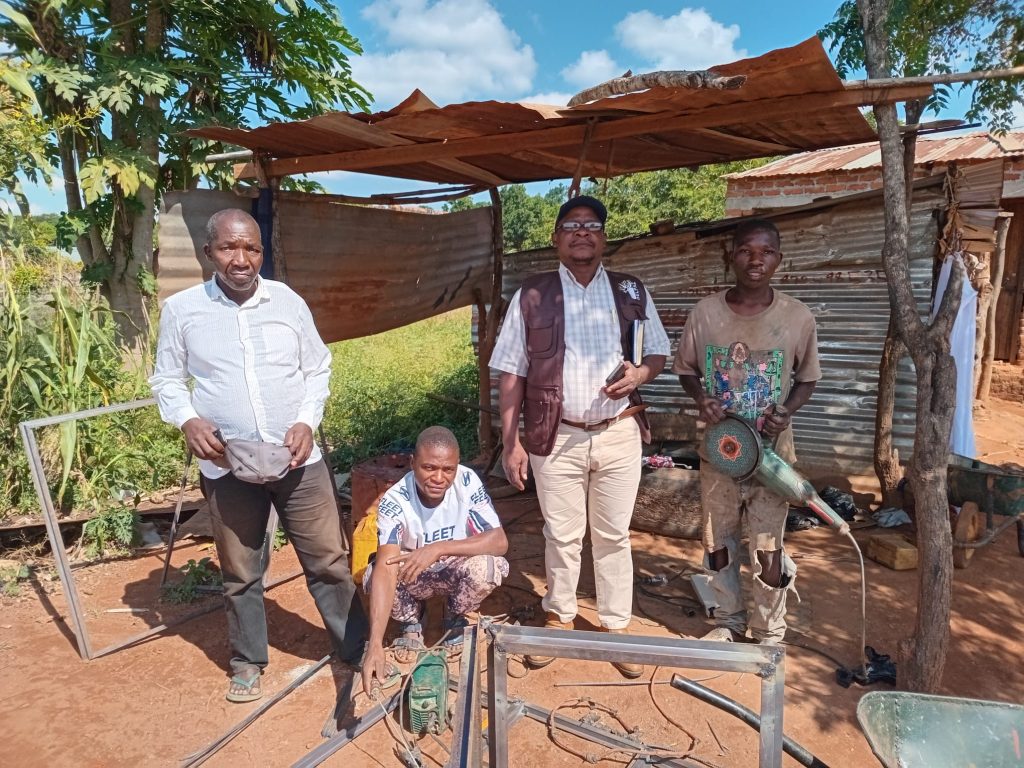
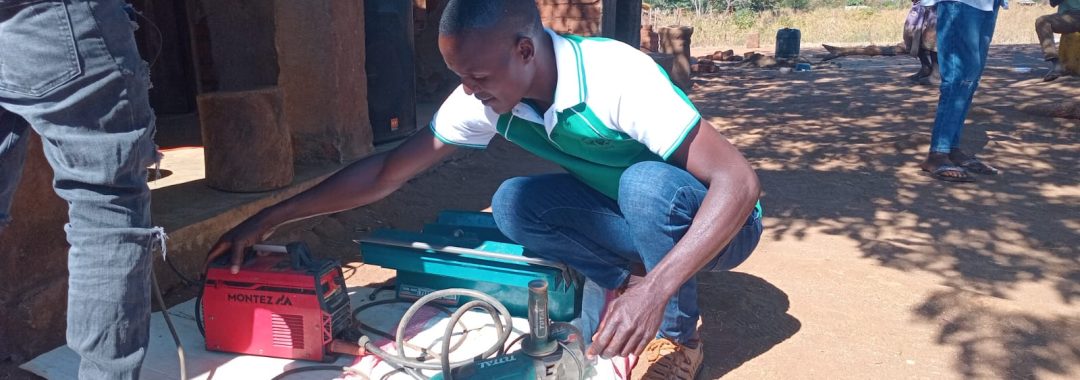
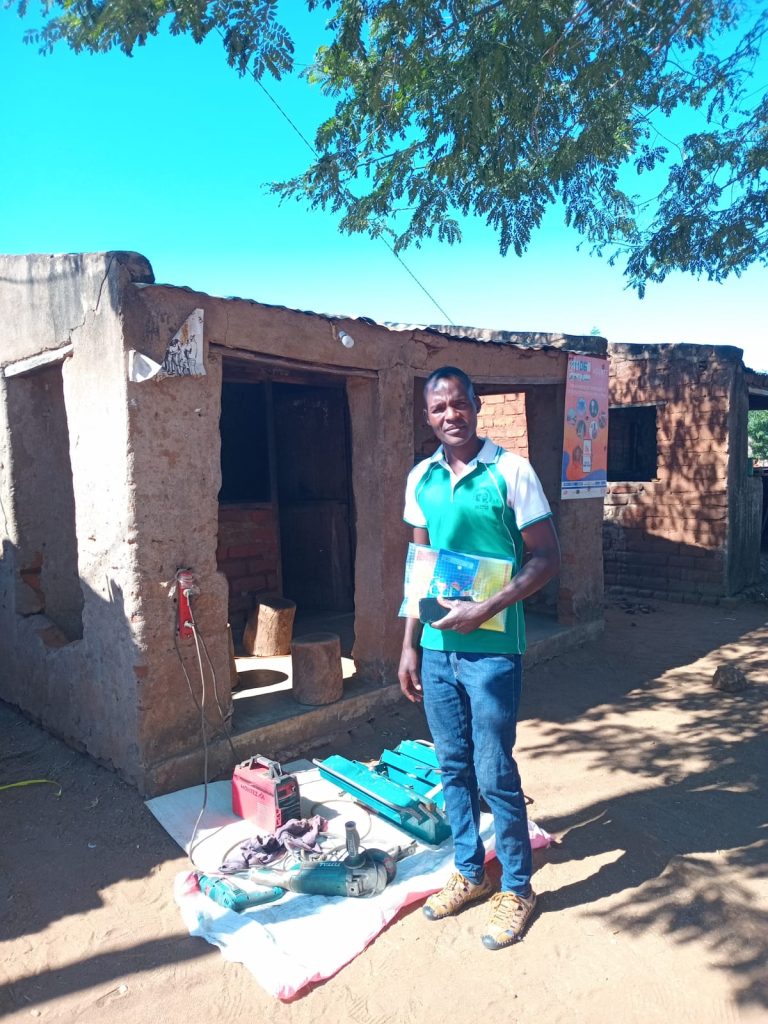
After the training, he returned to Pindanganga with a clear idea: to start immediately. In August 2025, with the kit he had received and a great deal of determination, he set up a small, improvised workshop at the entrance of a shop run by a woman who sells a bit of everything, at the end of the village’s main road. For now, he pays no rent. He bought a small 220-watt generator, paid for instalments, and began his activity.

Every day, from Monday to Friday, from seven in the morning until sunset, Lucas is there. He welds, repairs, fixes. He does what no one in the village could do before.

On the day we met him, he was working on a motorbike. A 10 meticais coin had caused a hole in a metal part. Lucas sourced small pieces of sheet metal, carefully adapted them, and, with his welding machine, brought the damaged part back to life. The customer paid 230 meticais — a service that, without him, would have required a long journey. Lucas earns a profit of around 2,000 meticais per week. He does not yet have a bank account and usually deposits his money via E-mola.

At weekends, Lucas dedicates himself to the church, his training, and helping his father in the fields. But his mind is still full of plans.

His dream is clear: to acquire a more powerful generator and a stronger welding machine — the one he currently uses is weak, overheats easily, and forces him to stop working frequently. More than that, he wants to build a proper workshop, his own space where he can work and, perhaps one day, train other young people.

He has already even chosen a name: “Majdimba Workshop”, in honour of his father.

The project is ambitious, but concrete: between land, building materials and a new generator, he estimates a total cost of around 50,000 meticais.

His father, Majdimba — whose real name is Daniel Maparadji — follows everything with pride. A former Renamo combatant, originally from Buzi district in Sofala province, he lived through the difficult years of the civil war. Demobilised in 1992 and again in 2021, after the 2019 Maputo Agreement, he now sees in his son’s journey a sign of hope and renewal.

Where he once experienced war, Lucas is building the future — piece by piece.


Forging the future

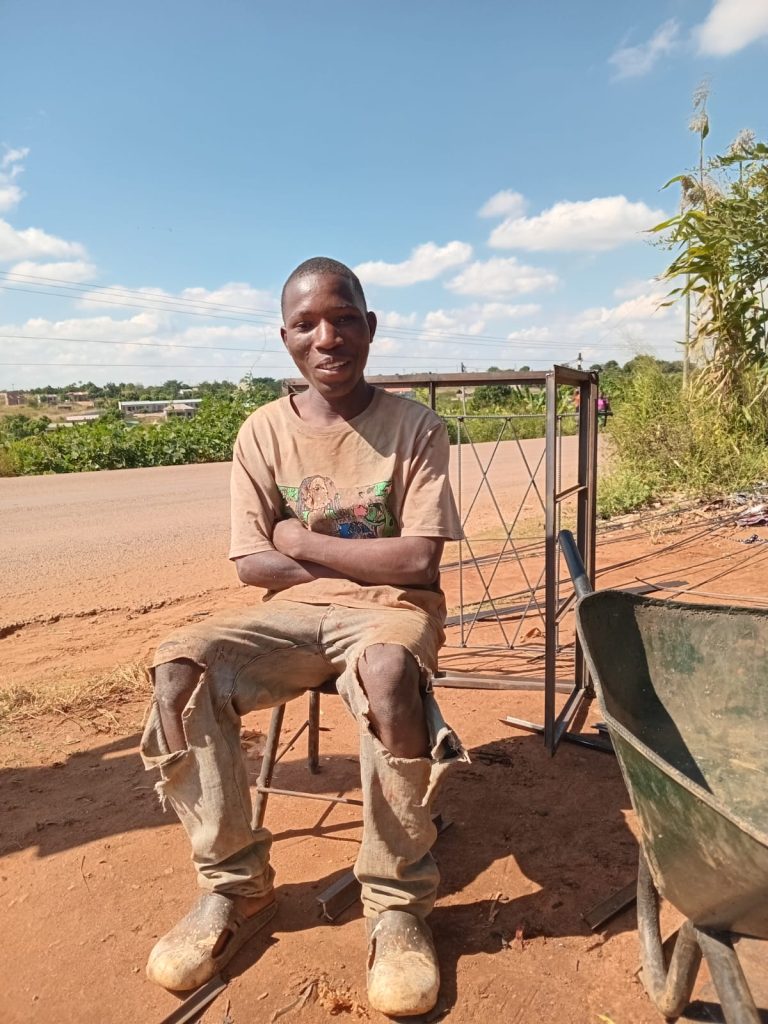
In the village of Catandica, in Báruè district, life has never been easy for Izaquel Mário. At just 18 years old and having studied up to the eighth grade, the future seemed uncertain and full of limited opportunities. In a place where employment is scarce, many young people end up losing hope far too early.

Izaquel’s life began to change when he was selected to take part in a training course promoted under the DELPAZ programme, in cooperation with district authorities, within the framework of local economic development. The son of a former RENAMO combatant saw at this opportunity a door opening to a new path. He travelled to Chimoio with other young people and chose to study metalwork at IFPELAC.

It was two intense weeks, full of learning. Although short, it gave him the foundations of a profession and, above all, the possibility of believing in a different future. Izaquel is shy and does not speak Portuguese well, but when he expresses himself in his local language, he speaks with confidence — and it is there that his determination becomes clear.

Always by his side is his father, Mário Amadeu, a man of clear ideas and great sense of responsibility. With twelve children, he knows well the value of opportunity. “We must help our young people find a path,” he says. “Without work, what can they do? If we do not give them opportunities, they risk going down the wrong paths.” Mário Amadeu is one of the DDR participants under the 2019 Maputo Agreement. He had already been demobilised in 1994, after the signing of the 1992 General Peace Agreement, having joined the struggle in 1982 in Sofala province. Today he only wants peace.

After the training and receiving the work kit, the father realised it would not be easy for Izaquel to start on his own. Two weeks were not enough to master the trade. He therefore decided to seek help from a master metalworker to begin the activity.

He recruited Alberto Linosse Macolone, who learned the trade of metalwork in Zimbabwe but had never had the opportunity to work upon returning. When he received the proposal, he accepted immediately.

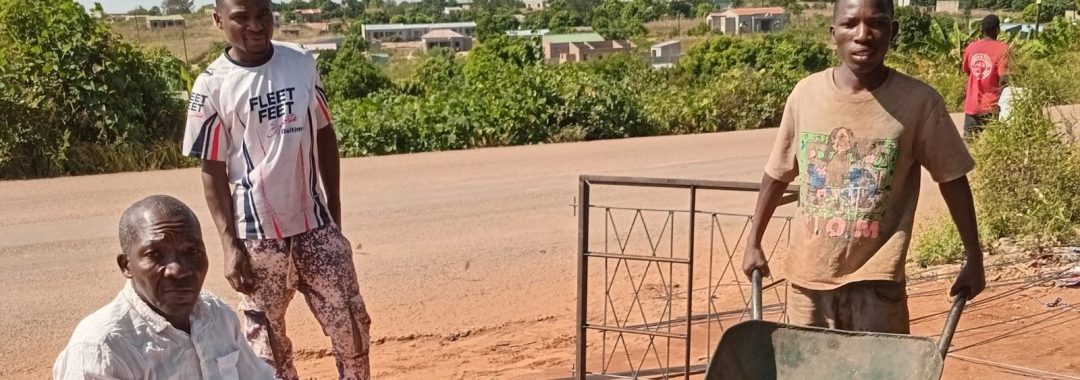
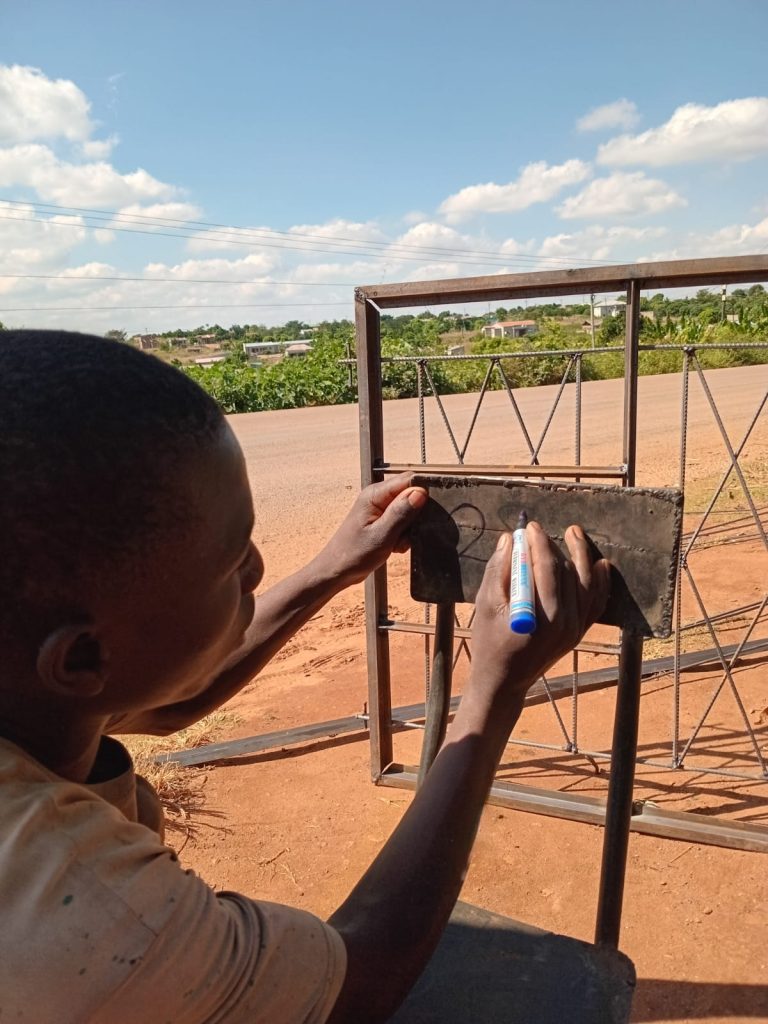
Today, Izaquel and Alberto, under the supervision of father Mário, work in a small workshop located at the entrance to Catandica, along the N6. The space was provided free of charge by a local trader, which is a great help. Through effort, they began producing iron chairs, wheelbarrows and window grilles.

Income: a chair is sold for 250 meticais, a wheelbarrow for 2,500, and the grilles bring in around 500 meticais for labour. It is not much, but it is enough to secure the essentials.

More importantly, it is the beginning of a new story. Amid the sound of iron being shaped and daily work, Izaquel is not just learning a trade — he is building his future. And his father Mário can dedicate himself to his small farm, always keeping an eye on the roadside workshop.


João and Ana: the Light of Nhamassonge

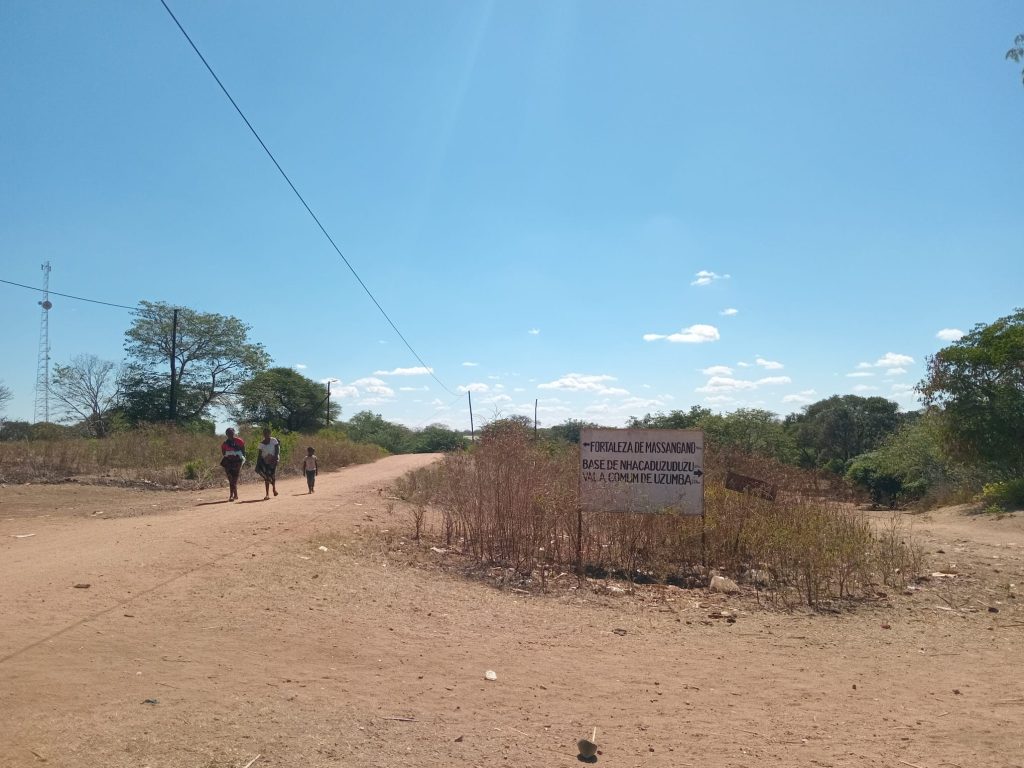
In the heart of Nhamassonge, where the main road runs steadily towards the historic Fortress of Massangano, a dream is taking shape for two young electricians: João and Ana. At the far end of the market stalls stands a small kiosk, still lacking all the necessary materials, yet already full of purpose. It is there that 24-year-old João Augusto Toeza is beginning to shape his future.

João has clear ideas — as clear as light itself — which perhaps explains his choice of the electrical sector. After completing a course in installation electrical work at IFPELAC in the city of Chimoio, delivered under the DELPAZ programme in coordination with district authorities to strengthen vocational training and local development, he returned with a new outlook. He came back not only with enhanced technical skills, but also with a broader vision of his future and the contribution he can make to his community.

He did not return alone. By his side is 24-year-old Ana Assane Saíss, also a fellow trainee and now his business partner. Together, they dream big, even though resources are still scarce. The kiosk has already been built, aligned with the others in the market. All that is missing is the sign that will announce to the world: “Light of Nhamassonge – electrical installations and supplies”.

But not everything is straightforward. In Nhamassonge, electrical materials are not available locally. Every wire, every switch, every light bulb has to come from Guro. “It is a problem,” João says, with the calm of someone who has already learned not to give up in the face of difficulties. Money is also in short supply, and every metical counts. Even so, they move forward step by step.

While the business has yet to fully take shape, João and Ana continue working. They carry out installations in the surrounding area — simple but essential services. For 500 meticais, they bring light to homes, while clients provide the materials. It is little, but it is a start.

The community already recognises the value of the young electrician. The administrative post chief, Marta João Dafrene, does not hide her satisfaction: before, any fault meant waiting for someone to come from Guro. Now João sorts it out. And he does it well.

Although brief, the training course brought more than technical knowledge. For many young people in Nhamassonge, it was the first time they had left their home area — their first coach journey to Chimoio. An experience that broadened horizons and showed that the world is larger — and full of possibilities.

And there, between dreams and challenges, is also little Eduarda, sleeping peacefully on her mother’s back, protected by a capulana. Perhaps without knowing it, she is already part of this story of courage and building.

João smiles when he talks about the future. “When everything is ready, with the materials and the sign in place, we will send a photograph.” It is not just a promise — it is a certainty.


In the fields of Sanga, between tradition and innovation

In Sanga, once a lively neighbourhood in the Guro district, there are now only a few houses. Over the years, most of its inhabitants have moved closer to the village in search of better living conditions — electricity, water, and other amenities. This new area has been officially named Sanga 2, although locals call it Medzachumbo. But not everyone left.

Among those who remained is Mr Feniasse Pita, chairman of the Sinembo Association — “Not me” — an organisation dedicated to supporting orphans and the elderly. Together with his family, he has continued to cultivate the land that has long sustained generations. His machamba (farm), vast and fertile, is a true mosaic of life: fresh vegetables, maize, and fruit trees bearing guavas, lemons, oranges and tangerines. In the bushland at the foot of the mountain, he also keeps improved beehives that produce high-quality honey.

It is in this environment that Tendai Pita, his son, now 31, grew up. From an early age, he learned the basics of farming by observing his father and working the land. However, Tendai aspired to go further. He attended the Manica Polytechnic Higher Institute and, in 2024, was selected for a training course at the Chimoio Agricultural Institute (IAC), promoted under the DELPAZ programme, in coordination with local authorities and institutions, as part of support for training and strengthening of initiatives such as the Sinembo association.

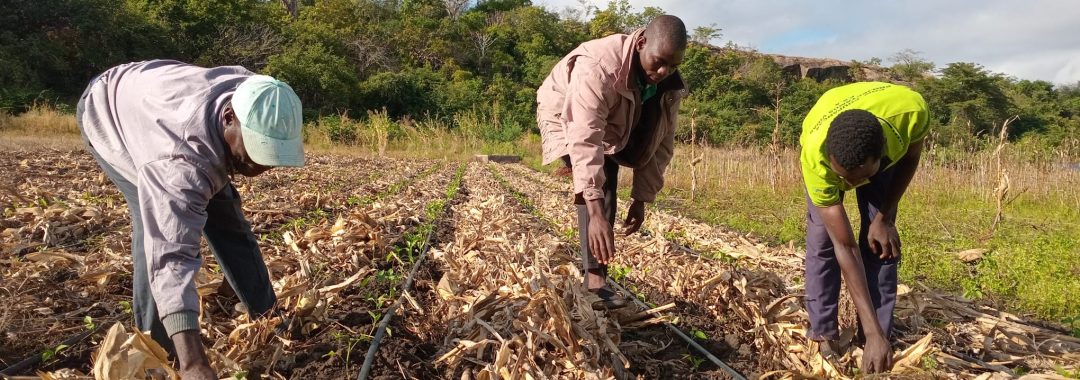
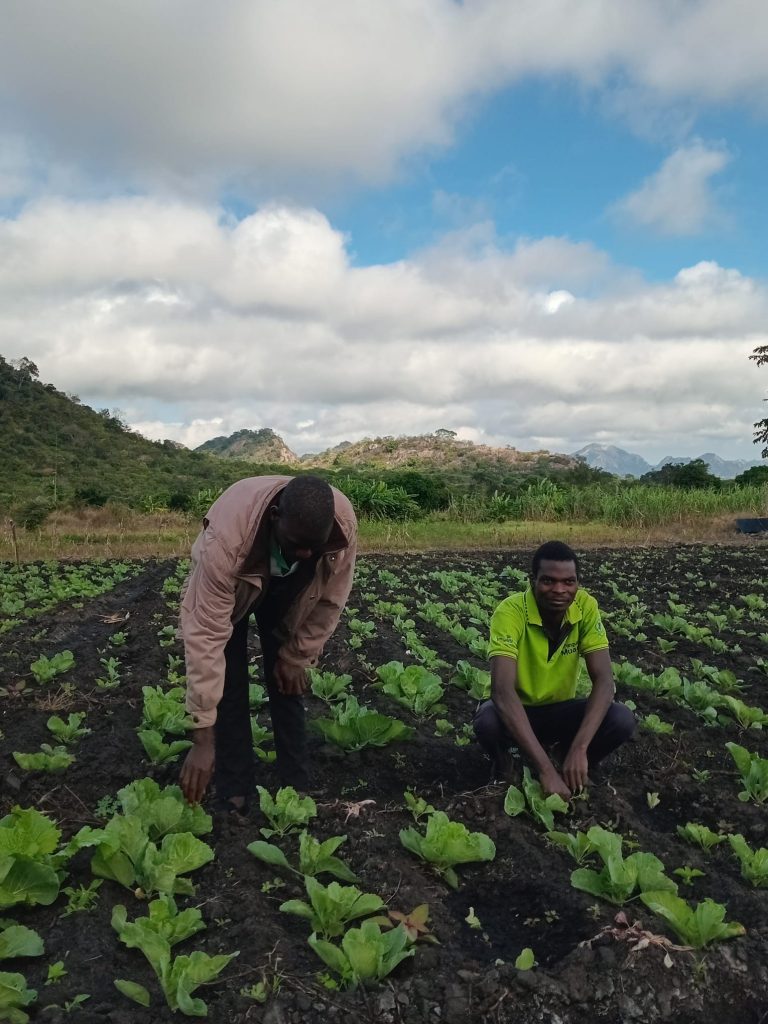
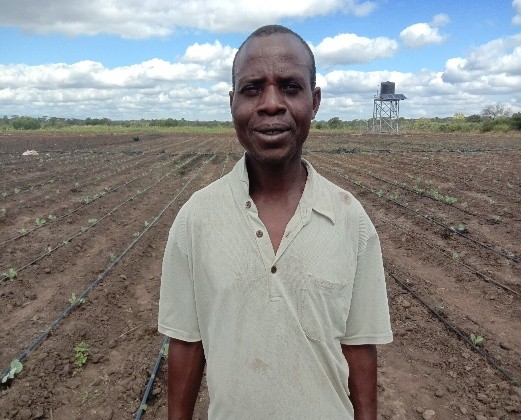
For Tendai, the training was more than a refresher — it was a revelation. “I already knew much of what the instructors explained, but I still learned many new things,” he says with conviction. Alongside his colleague Edson Lenate, 28, and five other young people, he began applying this knowledge on a machamba of nearly half a hectare, provided by his father.

The field is covered with lettuce and other vegetables. Using seeds received in the DELPAZ kit, they planted their first crop, sold it, and reinvested the proceeds. “This will be our second harvest, and we hope to earn enough to start making some profit,” Tendai says, hope in his eyes.

Among the techniques that most impressed them is the production of biopesticides. Using simple ingredients such as chilli, soap, and castor leaves, they learned to protect crops from pests in a more sustainable way. “The soap helps the mixture stick and traps the pests,” they explain. However, when infestations are severe, they still resort to insecticides — but with caution and daily monitoring.

Another innovation was the use of mulching, a technique that helps retain soil moisture — something they had never tried before.

The collective kit also included essential tools: hoes, machetes, watering cans, and a motor pump. Despite fuel shortages, they found a creative solution. “We use the motor pump with Dad’s solar energy,” says Tendai proudly.

Their produce is sold at Guro market or directly at the machamba, where customers come to buy. Edson, meanwhile, highlights another important lesson: maize storage. “Before, we stored the whole cob. At the IAC we learned to shell it and store only the grains, which improves preservation.”

For these young people, the course has been a real asset. The results are already visible in the land they cultivate and in the enthusiasm with which they speak about the future. And behind it all, among the mountains surrounding the machamba, remains the watchful, experienced gaze of Mr Feniasse — a silent guide who continues to sow knowledge and hope.


Dreaming big in the middle of the mato

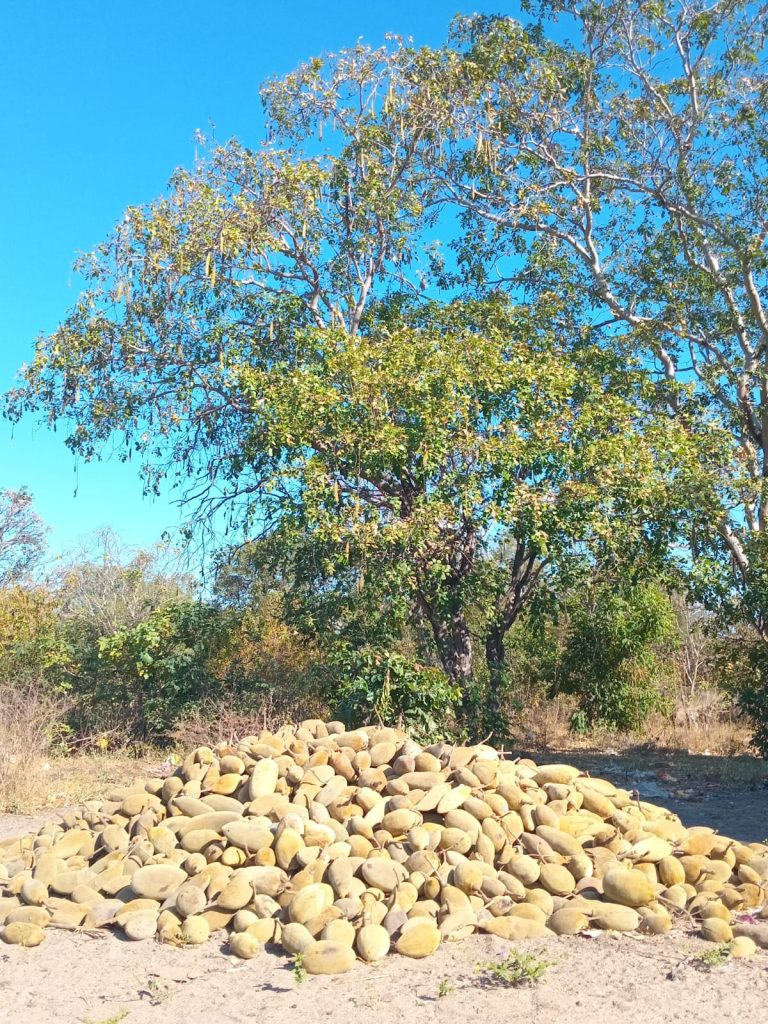
In the heart of Guro district lies the administrative post of Nhamassonge. It is a land of around eleven thousand inhabitants, known by the name it inherited from the massonge, small cucumbers with spiky skins that grow resiliently in that hot, dusty soil dotted with centuries-old baobab trees.

It is here that Carlitos Eusébio Zondane lives, a 35-year-old man whose life is made up of work, dreams and persistence.

At the side of the main road, very close to the administrative post headquarters, alongside others, stands his stall — simple, yet full of life. There, Carlitos sells soft drinks, small food items and the traditional malambe (baobab fruit). At the same time, he performs another essential role for the community: he is an E-mola agent, facilitating transactions and connecting people in an increasingly digital world.

But Carlitos did not stop there.

Driven by a broader vision, he decided to learn a new profession. In 2024, he was selected for a training course promoted under the DELPAZ programme, in cooperation with district authorities, as part of local economic development. It lasted only two weeks but was intense — enough time to awaken a new vocation in him. He became a mechanical metalworker.

The choice was not accidental. In his region, there was no mechanical metalworker. Where many saw a limitation, Carlitos saw an opportunity.

Recently, he took another step: he opened his own small metal workshop, powered by energy from solar panels installed in the village. For Carlitos, every piece he works on represents not only income, but also pride.

His determination has taken him further than he ever imagined. For the first time, he boarded a plane bound for Maputo. There, in November 2025, he took part in a conference organised by the Institute for Multi-Party Democracy (IMD), a DELPAZ partner. He keeps the photographs from that trip carefully — especially those in which he appears alongside Dom Dinis Sengulane and Oscar Monteiro. Whenever he shows them, his eyes light up.

“It was wonderful!” he says, unable to hide his emotion.
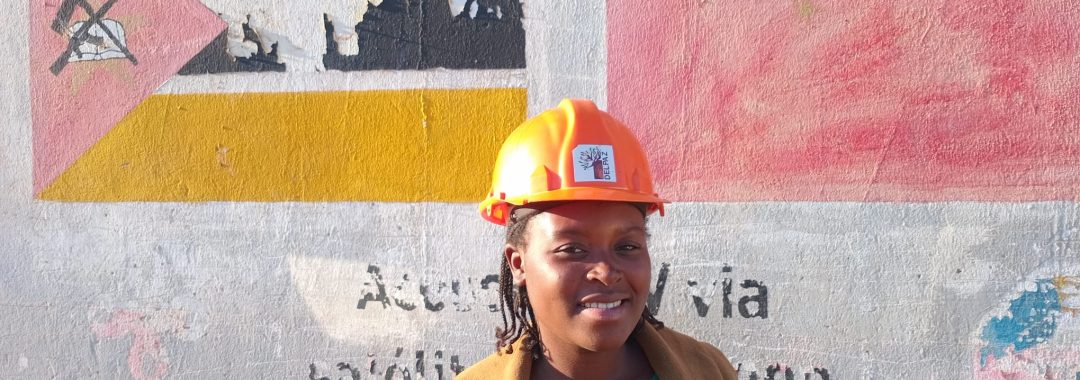
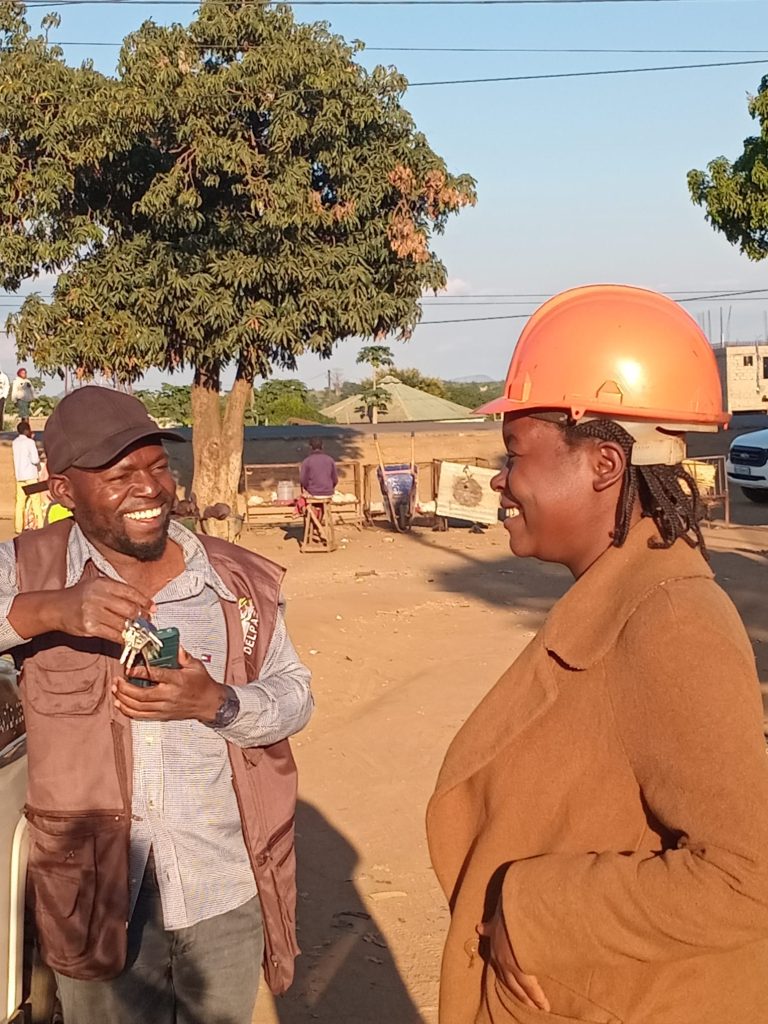
Despite his achievements, Carlitos keeps his feet firmly on the ground. He pays his taxes and works every day to improve his craft. His greatest wish now is clear: to obtain an official metalworking licence. “I already have the certificate, but I know I need to save some money to get the licence.”

And so Carlitos continues, between the sound of metalwork and the movement of the road, building his future with his own hands. In a place where opportunities are rare, he has become an example of how, with courage and determination, paths can be opened — even in the middle of the mato.


Between wires and challenges: Eneida continues to dream

Eneida Domingos, 21, has always believed that her future could be different. Determined, curious and hardworking, she was selected to attend the Electrical Installation course at IFPELAC, as part of training promoted by DELPAZ, in coordination with local district authorities responsible for mobilising and selecting participants — a choice that would go on to transform her life.

Daughter of a former Renamo guerrilla fighter, Eneida grew up in a context marked by the impact of armed conflict in her district, which delayed not only local development but also access to modern technologies, including more efficient and harmonious lighting systems, such as those seen in more developed cities in Mozambique and around the world.

From the very beginning of her training, she stood out for her dedication. While many classmates used the breaks to rest, Eneida would remain in the classroom, focused on wires, circuits and connections that fascinated her so much. “I really liked it,” she recalls. “Electricity fascinated me and I felt it could be a great opportunity for me.”

In a previous interview while she was still attending the course, she had said that this was the opportunity she had found to train, allowing her to gain knowledge to achieve her dream: to see her village using modern technologies for lighting homes and streets, with solutions such as photocells — which automatically switch lighting on — or smart lamps controlled by applications, still little used in her region, although already common elsewhere.

“The training helped me to come up with ideas to bring changes to my district, introducing solutions that many people already use in more developed cities,” she said enthusiastically.

After completing the course, she returned to Guro carrying not only technical knowledge but also a sense of purpose. Shortly afterwards, she secured a 45-day internship at Electricidade de Moçambique (EDM), where she further developed her skills. “I learned much more than just electrical installations. It was a huge opportunity for growth, but unfortunately EDM is not hiring new staff.”

However, returning to reality brought challenges. In a context still marked by prejudice, Eneida faced skeptical looks and doubts about a woman’s ability in a profession traditionally dominated by men. “A female electrician is still seen in a negative light,” she says. “But it is not true that we cannot do the work. We are just as capable as men.”

In a world where sexism still limits opportunities, pursuing a dream requires more than talent — it requires courage. And Eneida demonstrates this every day.

Gradually, opportunities began to emerge. “I have already done some installations in homes,” she explains. “They are still few, and I cannot yet support myself.” For each simple electric installation earns around 600 meticais, an amount still insufficient to achieve financial stability, especially in a context of strong competition in the village.

Even so, Eneida does not give up. She continues to believe that dreams are possible, even when the path is more difficult for a woman. “I would like to open a women’s electrical installation company. That is still my dream.”

Over the past year, she has completed more than ten installations and is slowly beginning to gain recognition. Looking to the future, she is considering moving to Mungari, where there is less competition and greater demand for electrical services. “I am still thinking about it. There is already electricity in Mungari but no electricians. I need to save some money to support myself in the first few months. I have some friends there who can help me, at least at the beginning.”

Eneida’s story is an example of perseverance in a world that does not always make the path easy for women. It is proof that, despite obstacles, dreams remain alive — and that with courage and determination, it is possible to light the future, step by step, wire by wire.


The Macossa Green Point can now rely on a tractor

In Macossa, the Green Point has come back to life. Members of the Association express satisfaction and praise the progress made towards the district’s economic development, through the DELPAZ programme, in partnership with the local government and the Chimoio Agricultural Institute (IAC).

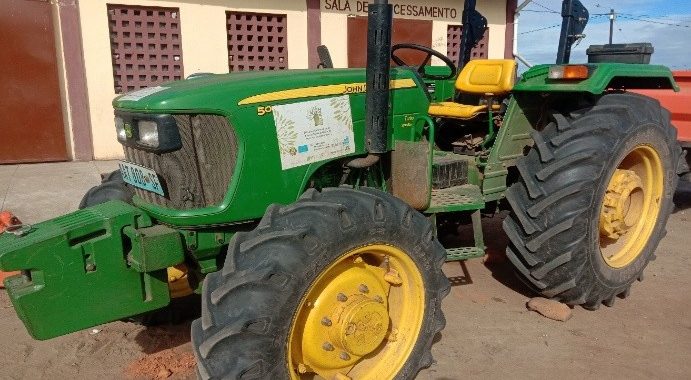
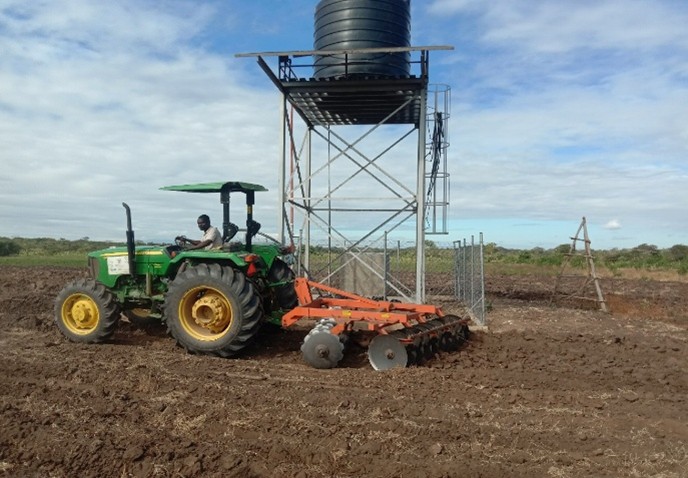
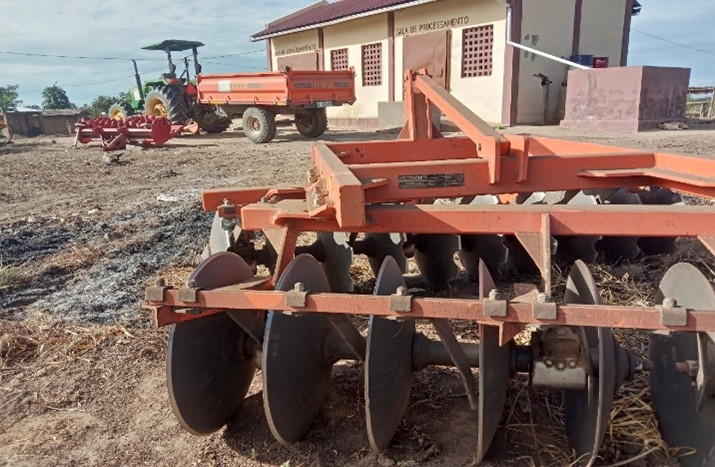
Recently, thanks to the partnership between the DELPAZ Programme and the IAC, the Macossa Green Point, which has shown consistent commitment to boosting productive activity in the district, has received a tractor equipped with a plough, harrow, seed drill, ridger, scarifier, among other agricultural implements. The initiative has accelerated field work: tasks that once took weeks using hand hoes can now be completed in just a few hours. “DELPAZ has not only given us a machine, it has given us more time to produce and to dream bigger,” the farmers say.

The association’s chairperson, Quentino Suíte Tomo, explained that before DELPAZ support they faced difficult conditions due to a lack of resources and machinery. With the means now available, including the tractor, they plan to prepare and expand the cultivated area from five hectares to more than 30 hectares, intended for the production of various crops.

The handover was attended by the DELPAZ focal point, Ergínio Alberto Romão, technicians from the District Service for Economic Activities (SDAE), and other representatives of the local government. The equipment is already fully operational and benefits more than 30 members of the association, most of whom are women and young farmers.

More land, less effort

Before mechanisation, each household cultivated an average of half a hectare per farming season. With the tractor, this area is expected to triple. The time required for land preparation could be reduced from around 15 days to less than two days. This will allow better use of the rainy season and reduce losses. Even during periods of low rainfall, the Green Point has a solar-powered irrigation system, which pumps water from low-lying areas to irrigate crops.

“We used to work from sunrise to sunset and the soil remained hard. Now the tractor will make work easier and we can focus on planting and harvesting,” said Quentino Suíte Tomo. For him, the equipment represents less physical effort and higher productivity.

A partnership delivering results

This step forms part of the development agenda of Macossa District, which recognises agricultural mechanisation in support of small-scale producers as an important contribution to the rural economy and food security.

In addition to providing equipment, the DELPAZ programme also promotes preventive maintenance of machinery, ensuring proper management and longer durability.

The district administrator, Albano Daniel Muiambo, highlighted the importance of cooperation for development and peace: “When the private sector and government work together, the impact is felt directly in the fields. This tractor shows that investing in agriculture means investing in the future of the district.”

For his part, the DELPAZ focal point emphasised that the goal goes beyond mechanisation: the aim is to increase production, generate surpluses, and improve marketing. The district already has infrastructure such as warehouses and a market to support this growth, thanks to DELPAZ. The next step will be to strengthen sales organisation and establish fair pricing for local products.

Community impact

With more land prepared, the association expects to increase production by around 80% of crops such as maize, sorghum, onions, okra, cabbage, lettuce, peppers, chilli, cucumber, carrots, and beans. The surplus will be sold locally, contributing to household incomes and food security in the region.

Despite the progress, recent months have seen ongoing challenges, such as fuel shortages that have also affected Mozambique. To overcome this difficulty, members have agreed to create a community fund dedicated to maintaining and fuelling the tractor, ensuring continuity of activities after the initial DELPAZ support period.


Italian Cooperation promotes the development of the first Sustainable Tourism Strategy on Inhaca Island

From 13 to 15 May, the Strategic Stakeholders Forum took place on Inhaca Island. The Forum represented a strategic milestone for the development of sustainable tourism on the island and, over the course of three days, brought together local authorities, researchers, tourism operators, traditional leaders and community representatives to design a guiding document aimed at protecting ecosystems and promoting the inclusive economic development of local communities.

The meeting therefore marked a starting point for the development of a common strategy for Sustainable Tourism on Inhaca Island. The initiative was carried out within the framework of the Mangrowth programme, funded by the Italian Cooperation, and organised by the NGO ICEI – Istituto Cooperazione Economica Internazionale.

The first day of the Strategic Stakeholders Forum was attended by His Excellency Vicente Joaquim Imedede, Secretary of State, as well as by the Deputy Director and Acting Regent, Maria Cristina Pescante, among other distinguished guests.

During her speech, Maria Cristina Pescante underlined that “both past and current projects promoted by AICS in the environmental sector have consistently proven relevant in ensuring biodiversity conservation, addressing the negative impacts caused by climate change, and promoting sustainable socio-economic development in the country.”

For his part, His Excellency Vicente Joaquim Imedede highlighted that “Inhaca Island is a jewel of biodiversity and sustainable tourism, with great potential in ecotourism, fisheries and conservation. It stands out for its paradise beaches, coral reefs, mangroves and scientific research, making it a privileged destination for experiencing untouched nature,” further stressing that “the island is recognised as the lung of the City of Maputo.”

During his intervention, he also noted that the new jetty, inaugurated on 6 March 2026, has significantly improved accessibility to Inhaca Island, eliminating dependence on tides for embarkation and disembarkation. He added that this infrastructure “will bring more tourists”, therefore highlighting the importance of involving local communities in the sustainable tourism development process.

The starting point for the development of this strategy began with a study visit carried out in October 2025 by a Mozambican delegation to the Tuscan Archipelago National Park in Italy. The visit aimed to learn about and analyse international best practices, establish parallels with destinations sharing similar environmental and socio-economic characteristics, strengthen participatory planning and promote the development of a regenerative tourism model. It was from this experience that the idea of developing a common strategy for Sustainable Tourism on Inhaca Island emerged.

On the first day of the Forum, there was also virtual participation by Marino Garfagnoli, Director of the Infopark at the Tuscan Archipelago National Park, who addressed the role of the private sector in the conservation of the Park, considered one of the largest marine protected areas in Europe, highlighting examples of cooperation between institutions, communities and tourism operators in promoting sustainable and responsible tourism.

The next steps will consist of a series of technical and institutional support sessions involving the Secretariat of State of Maputo City and its technical bodies, with the aim of defining an implementation agenda for the strategy outlined during the Forum.