Fields of Action
Agriculture and Rural Development
Of particular importance is the CAAM project, a flagship initiative of the Mattei Plan, which aims to support the transition of the horticultural sector in Manica Province towards an inclusive, competitive and resilient agro-industry
Delegated Cooperation EU
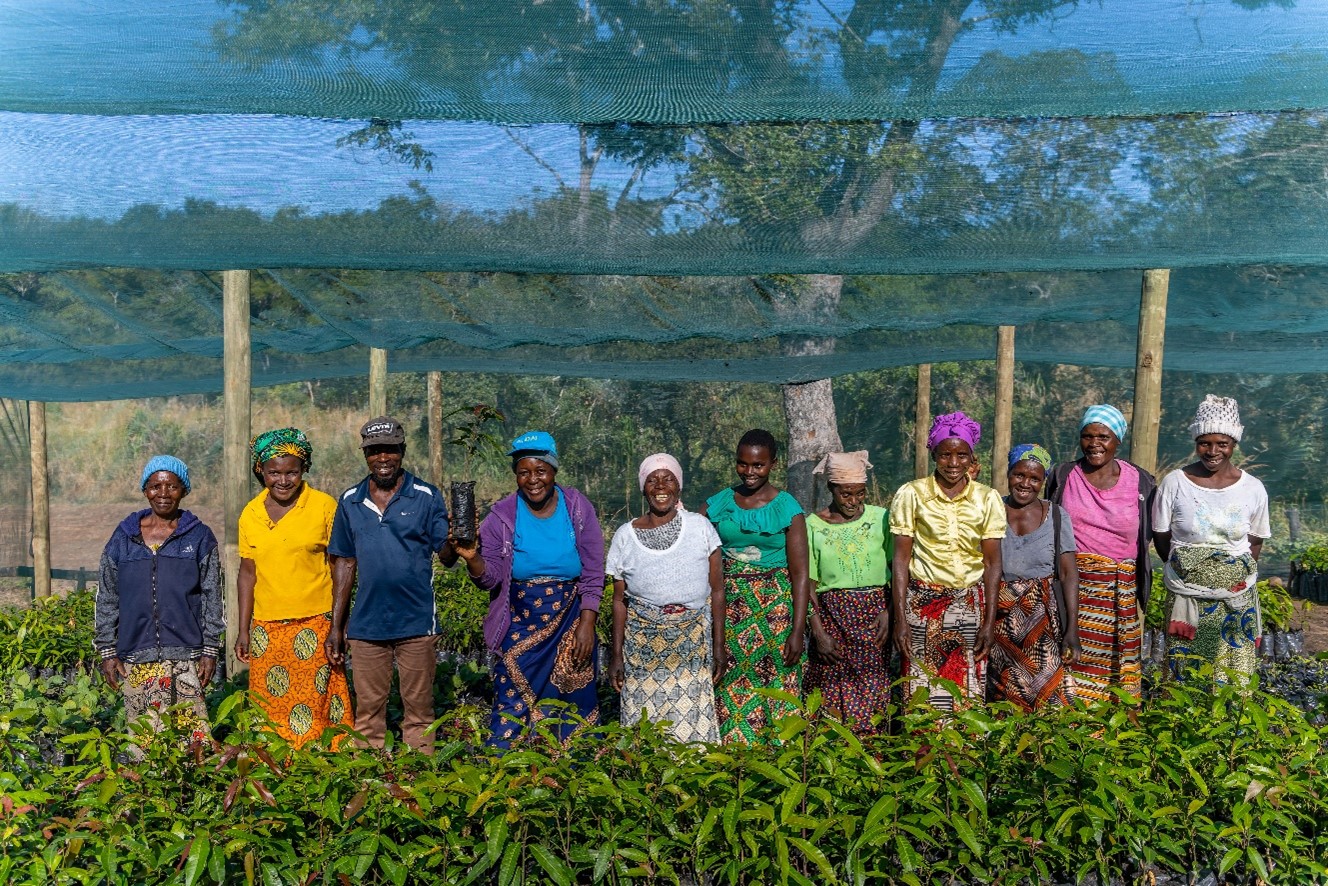
In 2018, the Agency completed the accreditation process as a qualified institution for the indirect management of European funding. Since then, AICS has taken full ownership of delegated cooperation initiatives.
Emergency
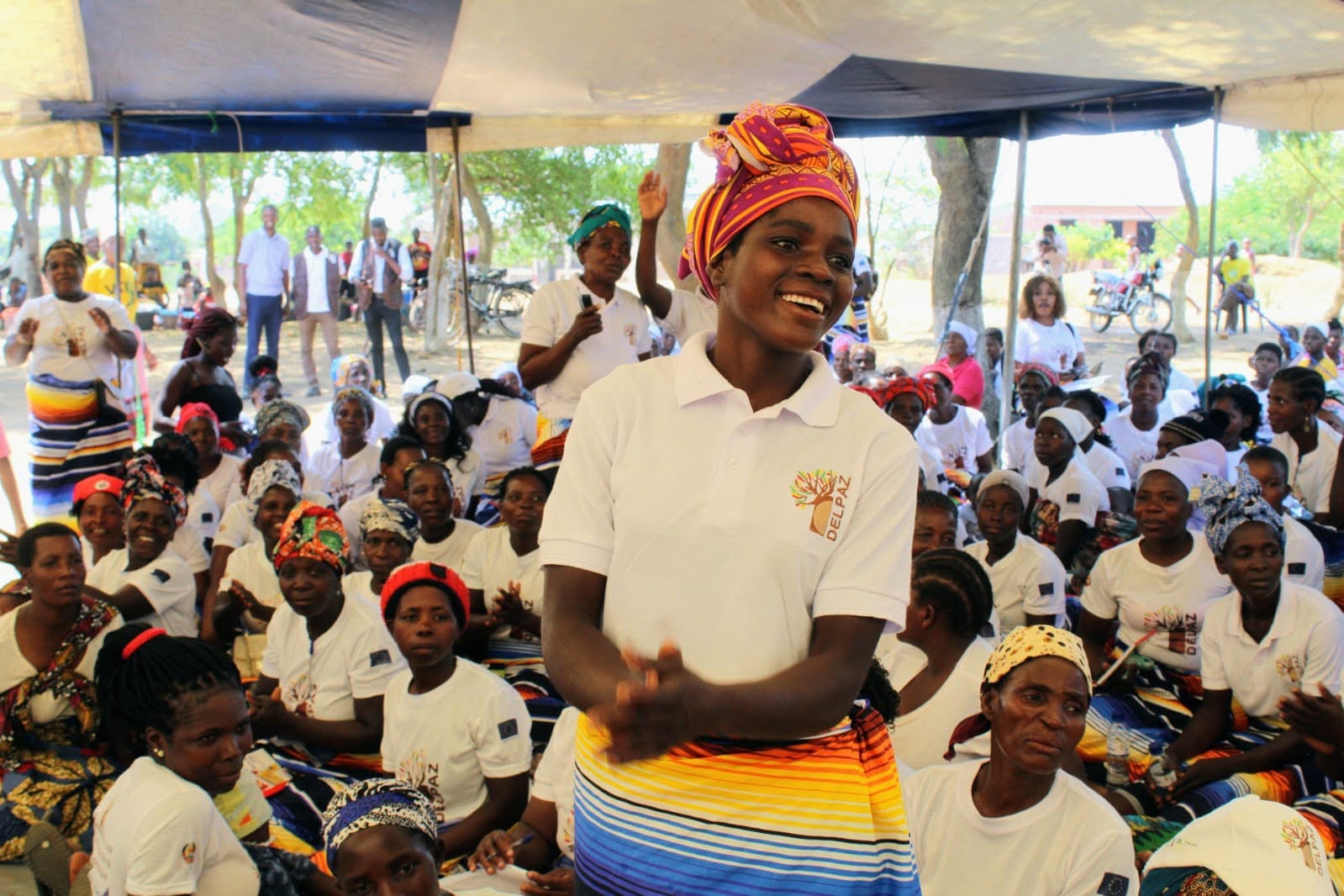
In response to the effects of the El Niño phenomenon, which has aggravated water scarcity and food insecurity in the region, a regional emergency initiative was launched to mitigate the impact of climate change on food security in Mozambique, Malawi and Zambia.
Environment
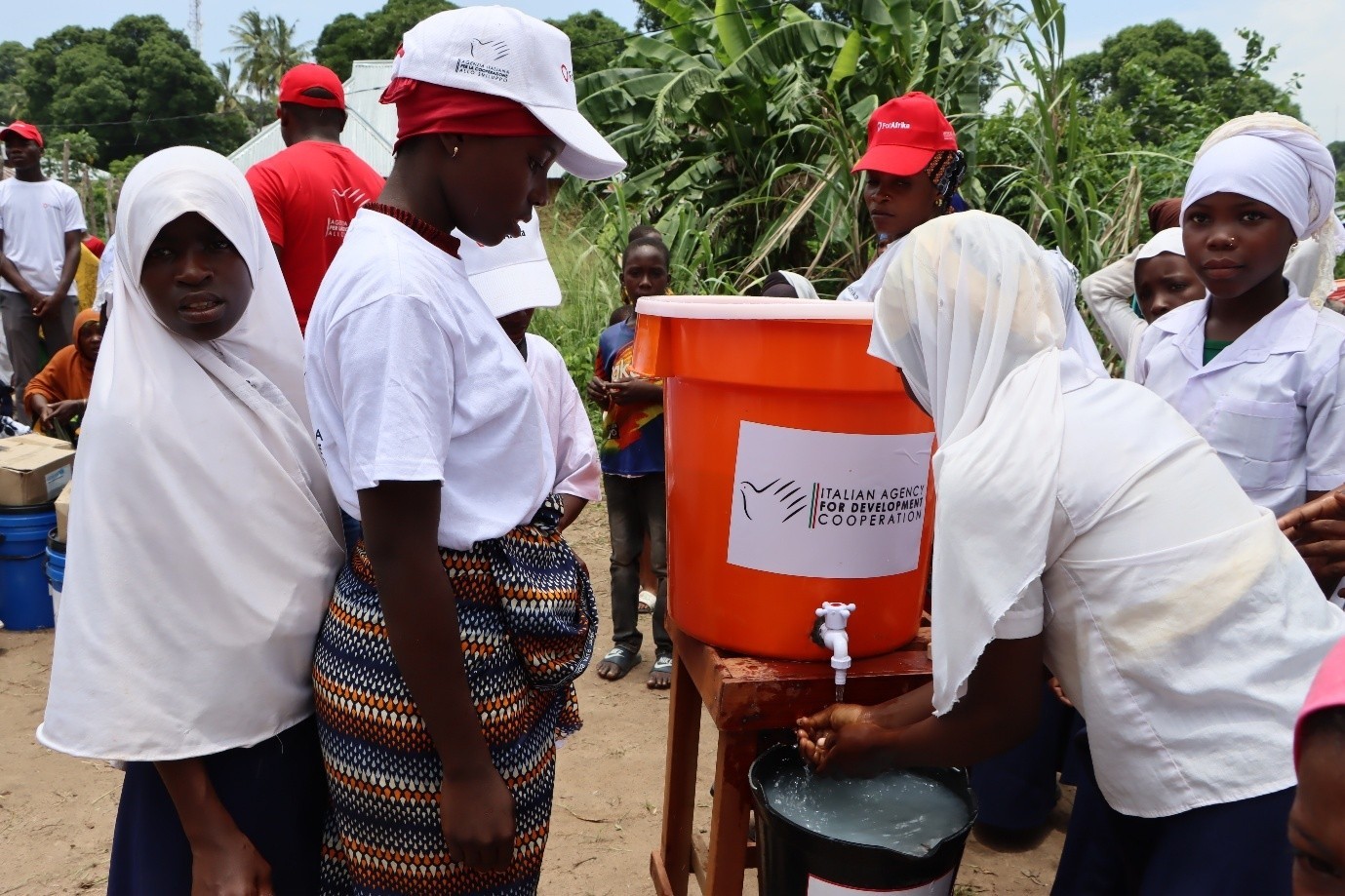
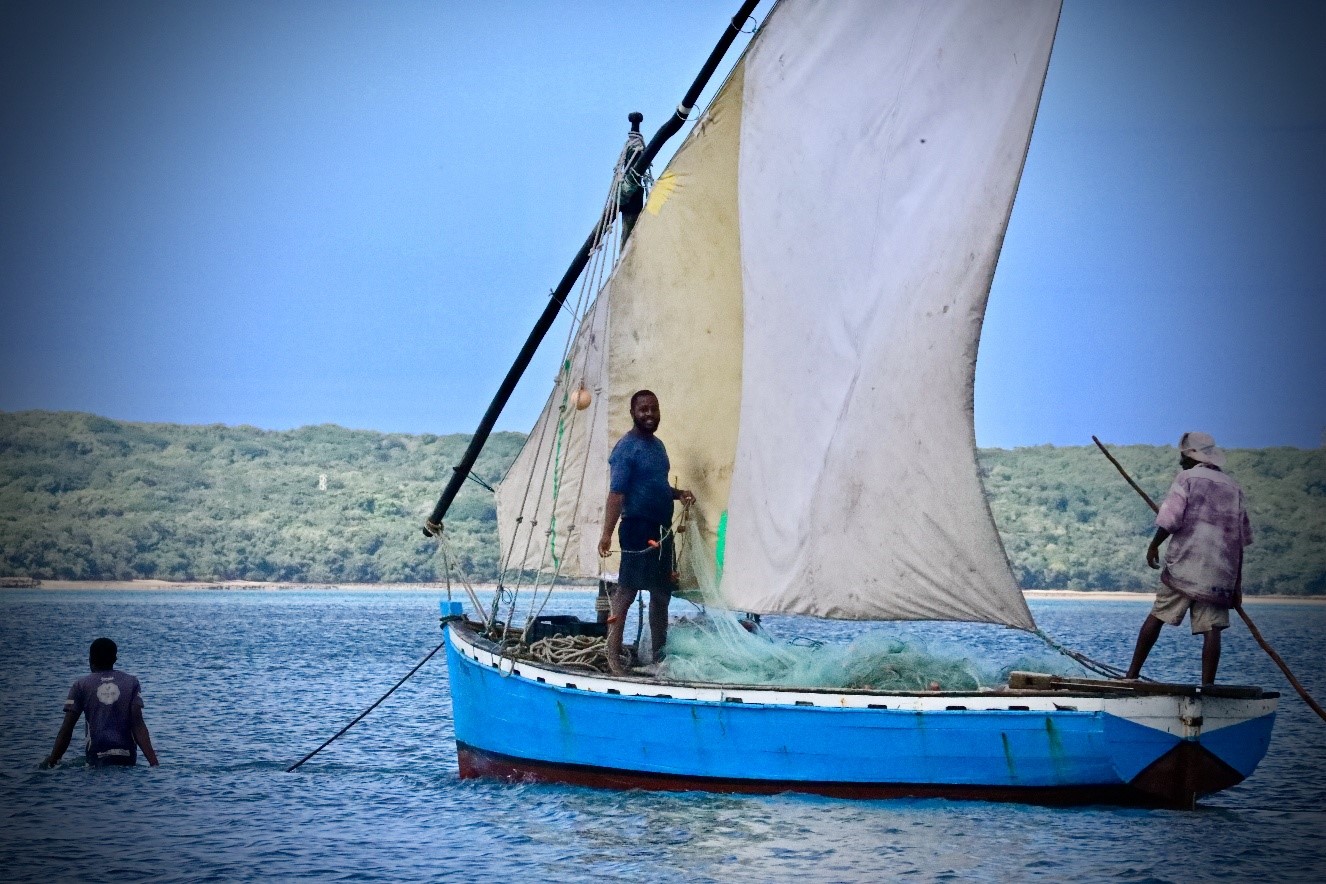
The Environment sector of the AICS Office in Maputo plays a central role in contributing to the achievement of the “Planet” pillar objectives of the 2030 Agenda, promoting the sustainable management of natural resources (water, soil and biodiversity), biodiversity conservation, and the strengthening of scientific research, while recognising the blue economy as one of the strategic pillars for the sustainable development of Southern Africa.
Gender and social inclusion
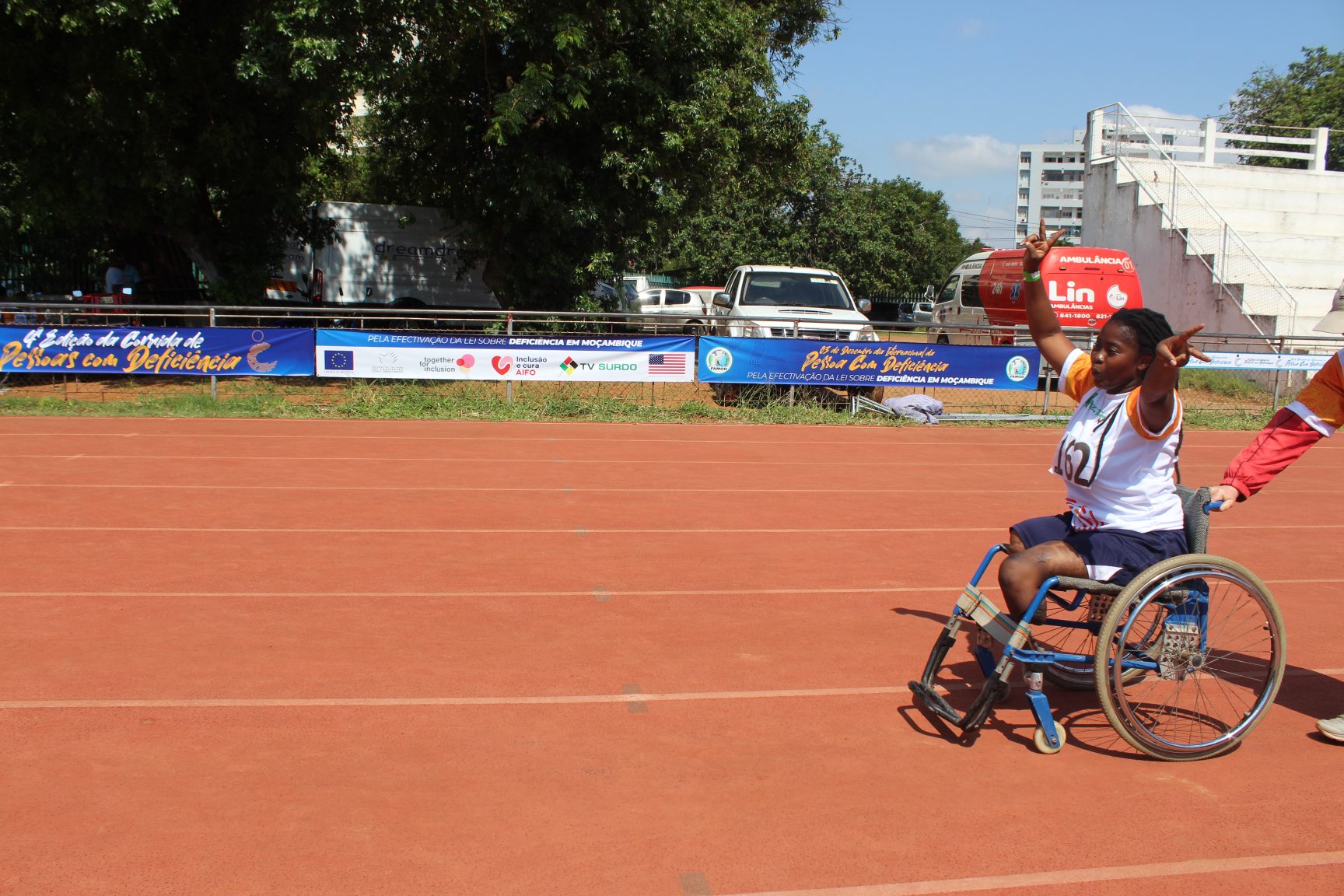
The AICS Office in Maputo promotes gender equality, women’s empowerment and the rights of persons with disabilities through support to existing legislation, awareness-raising campaigns and concrete initiatives aimed at ensuring greater access to education, employment and healthcare services
Health
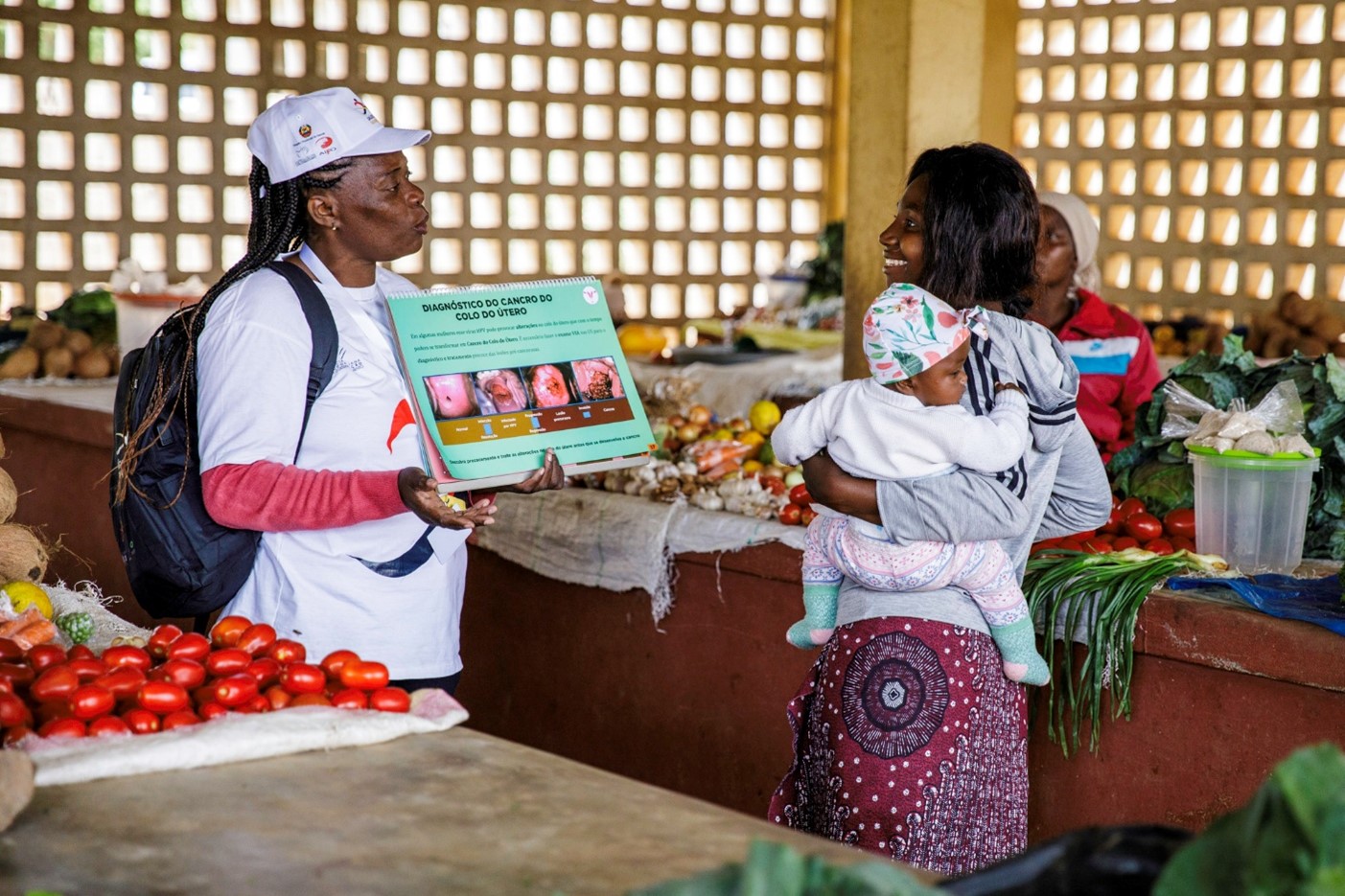
AICS contributes to strengthening the health response in the fight against major infectious diseases through its support to the Global Fund to Fight AIDS, Tuberculosis and Malaria
Job creation
The employment creation sector of Italian Cooperation has focused on promoting inclusive and quality training, including university cooperation and the strengthening of technical and vocational education and training

Urban development
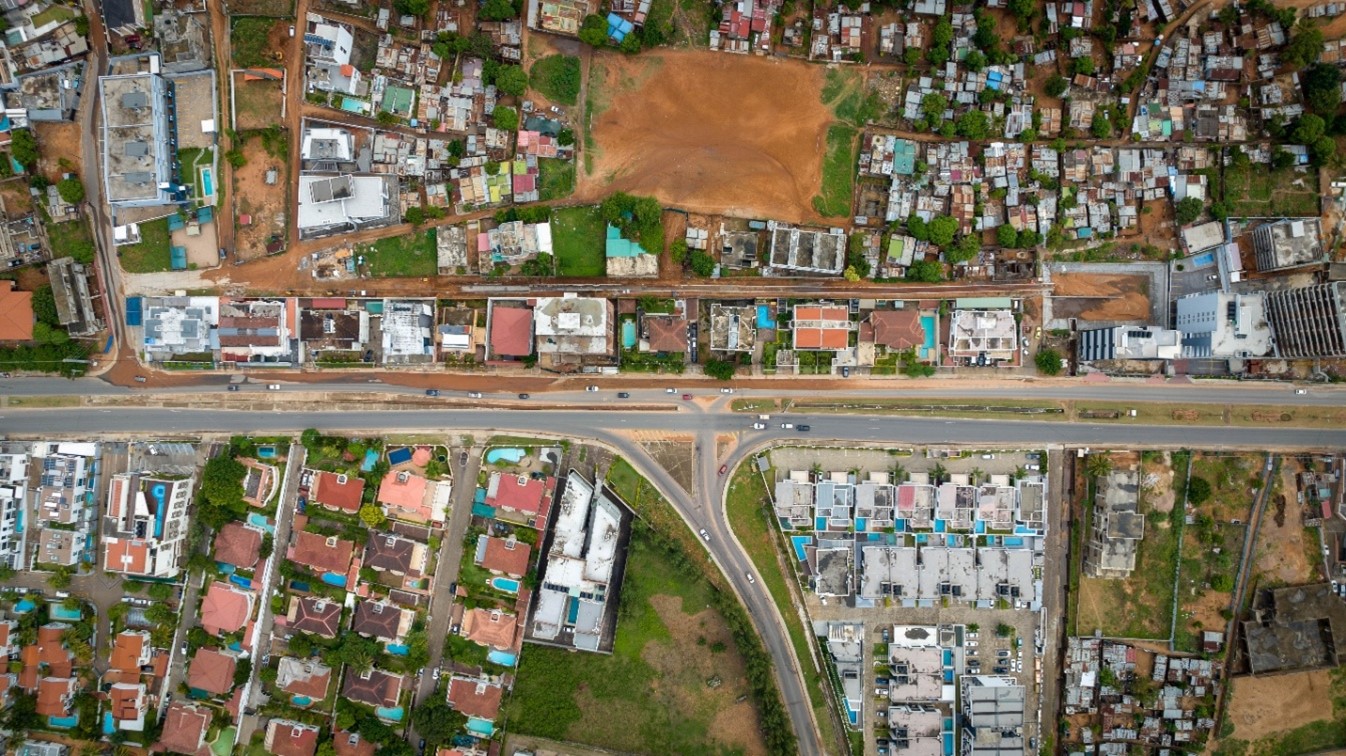
One of the main challenges in Southern Africa is the rapid proliferation of informal settlements in large urban areas, resulting in consequences such as the expansion of the informal economy, increasing inequalities, and growing pressure on infrastructure and essential public services