
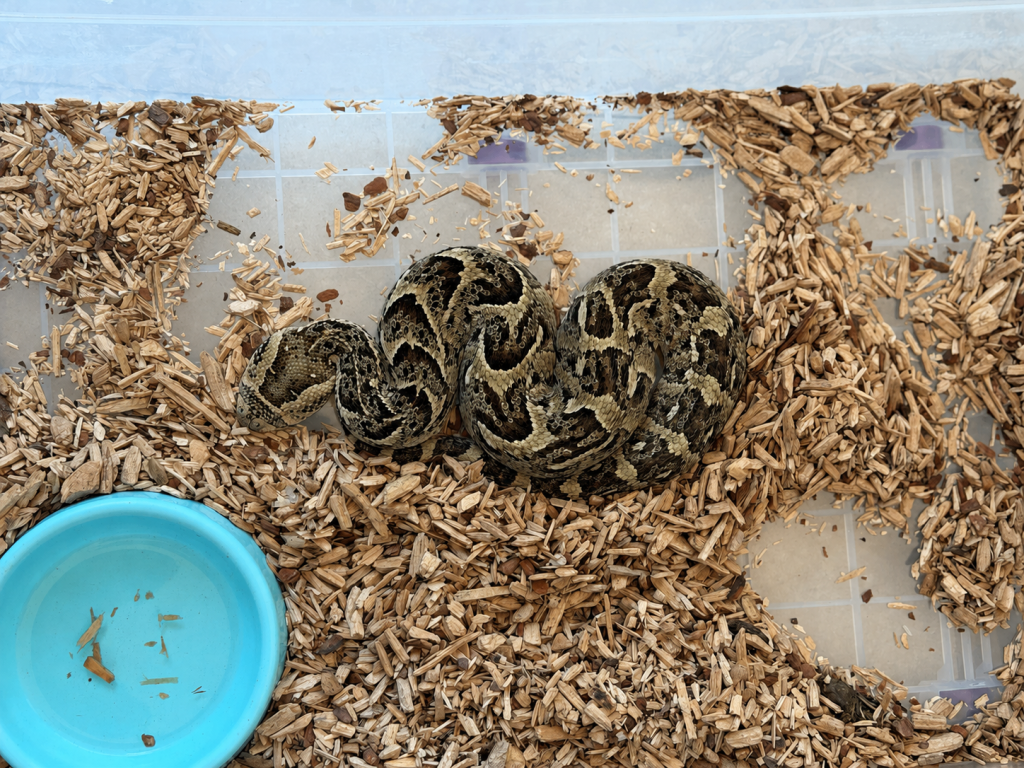
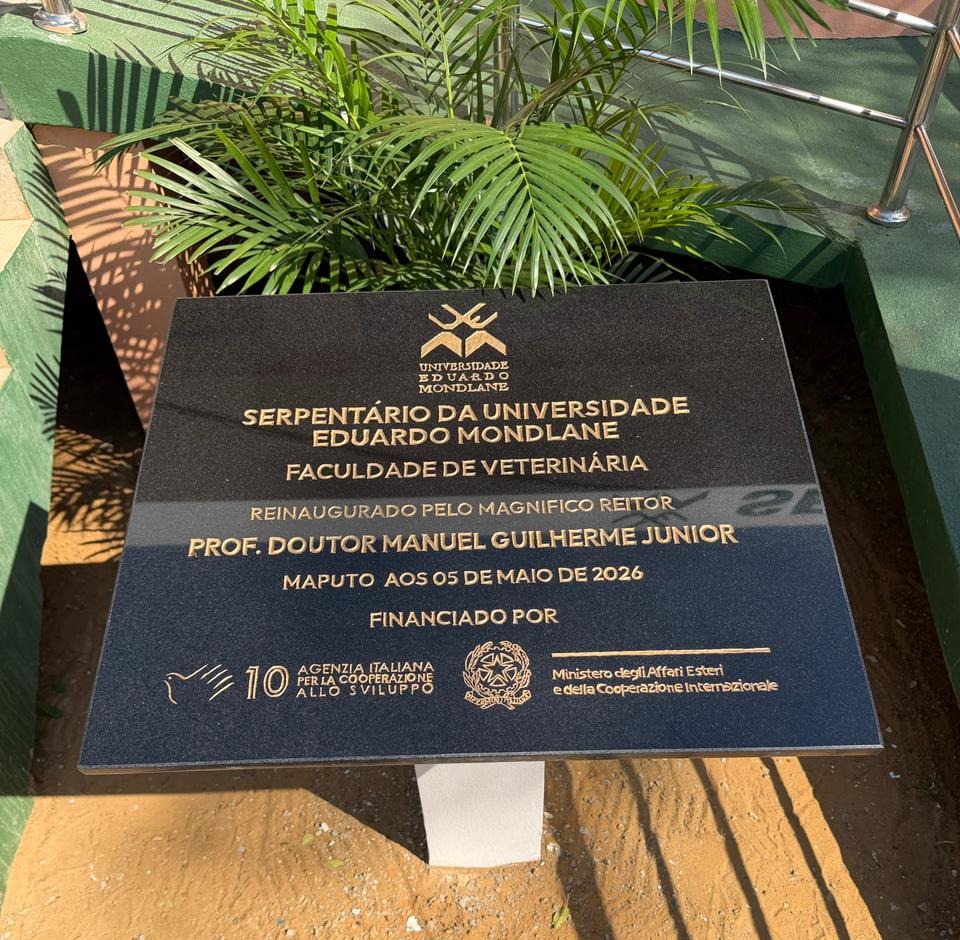
On May 5, the reopening ceremony of the serpentarium of the Faculty of Veterinary Medicine at Eduardo Mondlane University in Maputo took place. The facility, which had been destroyed during the post-election unrest of 2024, was rehabilitated under the “RINO – Resources, Innovation and Development for Conservation Areas” programme, funded by Italian Cooperation.
Several distinguished guests attended the ceremony, including the Italian Ambassador to Mozambique, Gabriele Annis, the Rector of UEM, Manuel Guilherme Júnior, and the Deputy Head and Acting Director of the AICS office in Maputo, Maria Cristina Pescante, along with other invited guests.
In Mozambique, more than 6,000 people lose their lives every year due to venomous snake bites, a problem considered a major public health challenge. According to data from BIOFUND, the country is home to around 78 snake species, of which 35 are considered non-venomous and 13 are classified as potentially deadly. Among the most dangerous are the Black Mamba — which inspired the name of the Mozambican national football team, the “Mambas” — the viper, and the Mozambican cobra.
During his speech, Ambassador Gabriele Annis stressed that “the serpentarium will serve as an essential tool for the training and preparation of specialised personnel in the collection and extraction of venom for the production of antivenoms, which are fundamental for saving human lives.”
Currently, until May 11, a training course led by South African specialists on the management of venomous snakes is taking place. The programme brings together researchers from various national institutions, including ANAC, Maputo National Park, the Natural History Museum of UEM, the Faculty of Veterinary Medicine, and the Faculty of Science.
For his part, the Rector of Eduardo Mondlane University, Manuel Guilherme Júnior, highlighted that “this serpentarium is also for our students, who are already being prepared during their university education to deal with this phenomenon,” referring to venomous snake bites and the importance of knowing how to respond in such situations.
The serpentarium, considered the first of its kind in the history of Mozambique, represents an important step toward serving the community, strengthening scientific research, and supporting the search for solutions and antivenoms capable of combating the effects of snake venom.
 |
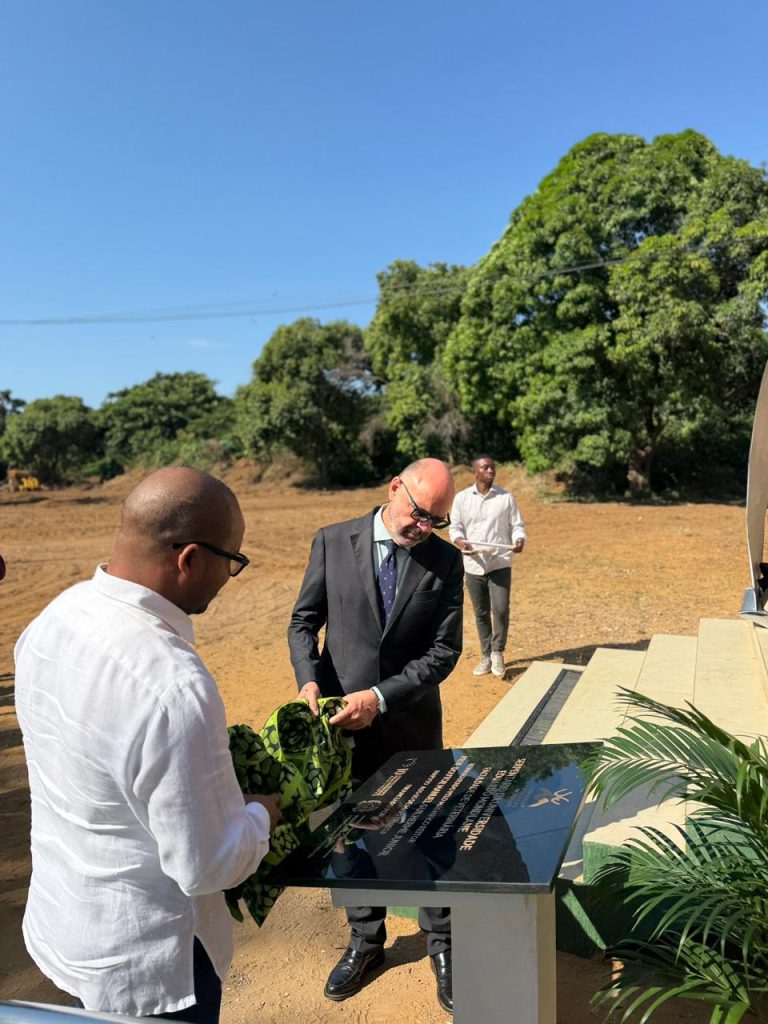 The Italian Ambassador, Gabriele Annis, together with the Rector of Eduardo Mondlane University, Guilherme Júnior, inaugurate the serpentarium. |