
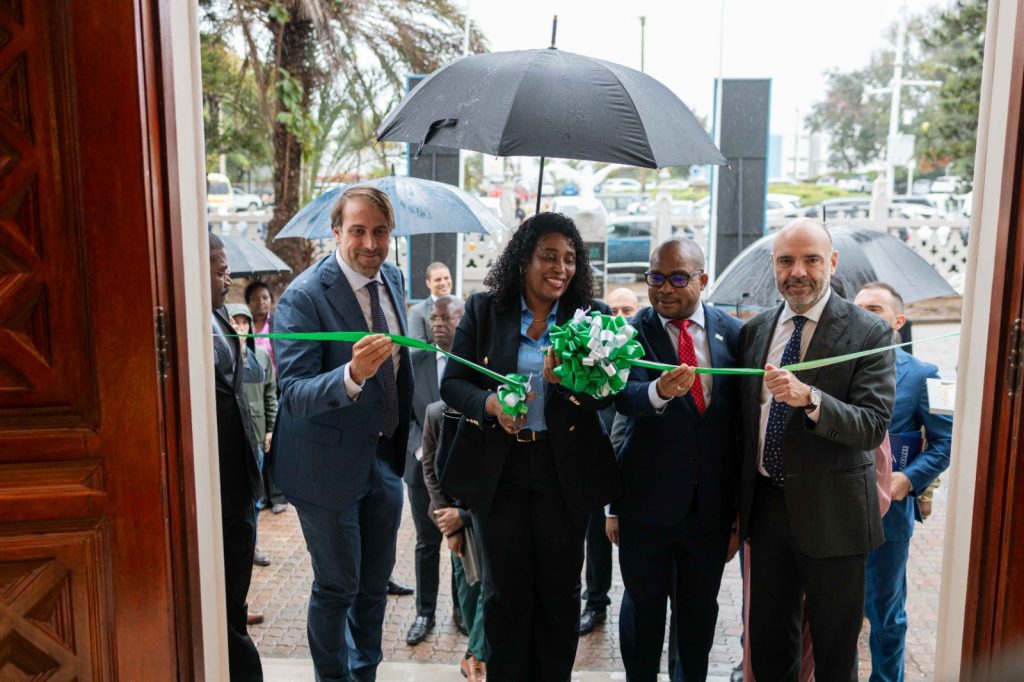
On 29 September 2025, the official ceremony for the reopening of the Natural History Museum of Maputo took place, following more than two years of intensive rehabilitation works.
The project, funded by the Italian Ministry of Foreign Affairs and International Cooperation (MAECI) through the Italian Agency for Development Cooperation (AICS), represented an investment of €4,250,000 specifically dedicated to the refurbishment of the Museum, within the framework of the RINO programme, through its COREBIOM component, which promotes initiatives for the enhancement, rehabilitation, and conservation of marine and terrestrial biodiversity.
Coordinated by the Museum Centre of Sapienza University of Rome, in partnership with the Anton Dohrn Zoological Station and the NGO WeWorld, the project also includes the creation of a National Biodiversity Conservation Centre, with the aim of strengthening the Museum’s role as a scientific and educational reference point.
The ceremony was attended by several high-level dignitaries, including the Minister of Culture and Education, Samaria Tovela, the Ambassador of Italy to Mozambique, Gabriele Annis, the Director of AICS, Marco Riccardo Rusconi, the Rector of Eduardo Mondlane University, Manuel Guilherme Júnior, and the Director of the Museum, Lucília Chuquela.
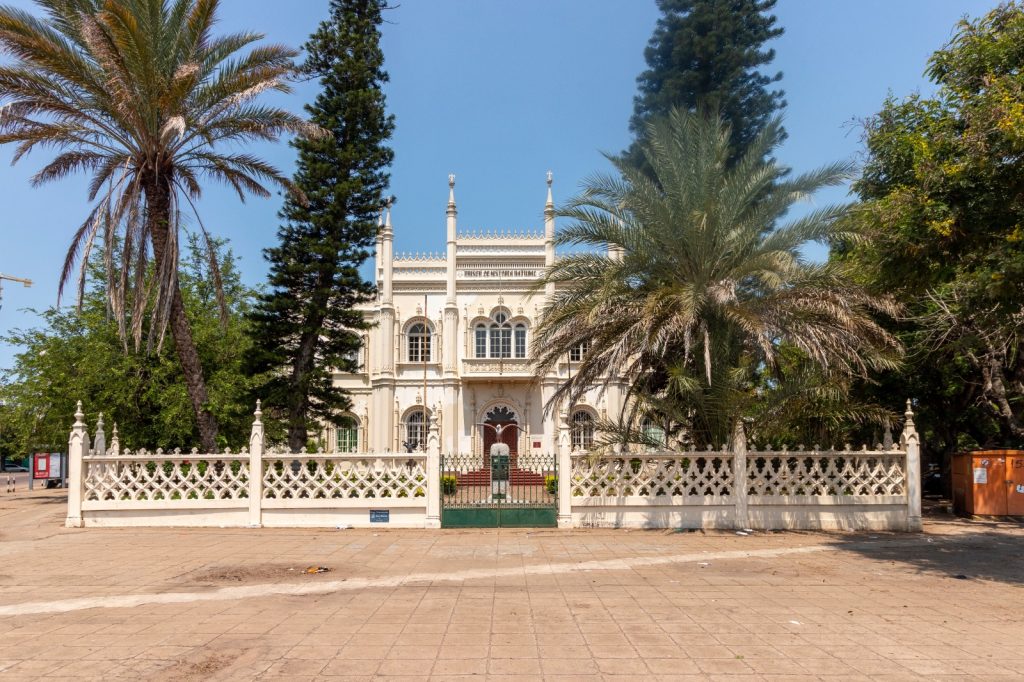
Founded in 1911 and housed since 1933 in a historic Manueline-style building, the Museum is one of Mozambique’s most emblematic monuments. Closed to the public in October 2023, it underwent extensive architectural, museological, and museographic interventions, carried out by a multidisciplinary team of Italian and Mozambican experts linked to Sapienza University.
Among the main highlights are the installation of solar panels and an elevator, the modernization of lighting and air-conditioning systems, the construction of internal restrooms, and the creation of a bookstore, a café, and access ramps for persons with disabilities, as well as a room for temporary exhibitions.
On the museological side, the exhibitions were restored and updated with a modern approach that recreates different natural habitats, adding rooms dedicated to seagrasses and to the great inhabitants of the sea. The exhibition route has been enriched with information accessible to visitors with visual and hearing impairments, making the experience more inclusive and educational.
An educational space has also been created for children and young visitors to explore biodiversity, and the Museum has undergone a rebranding process, with a new logo that modernizes its institutional image while preserving its historical identity.
The Museum’s collections stand out for their scientific and cultural value, comprising more than 200 mammals, 10,137 birds, 176,527 insects, 1,250 invertebrates, and 150 taxidermied reptiles. Among its treasures are the world’s only collection of elephant foetuses, documenting month-by-month gestational development up to the twenty-second month, and a coelacanth specimen, considered a true “living fossil”, captured in August 1991 in the Mozambique Channel — a milestone for science in the country.
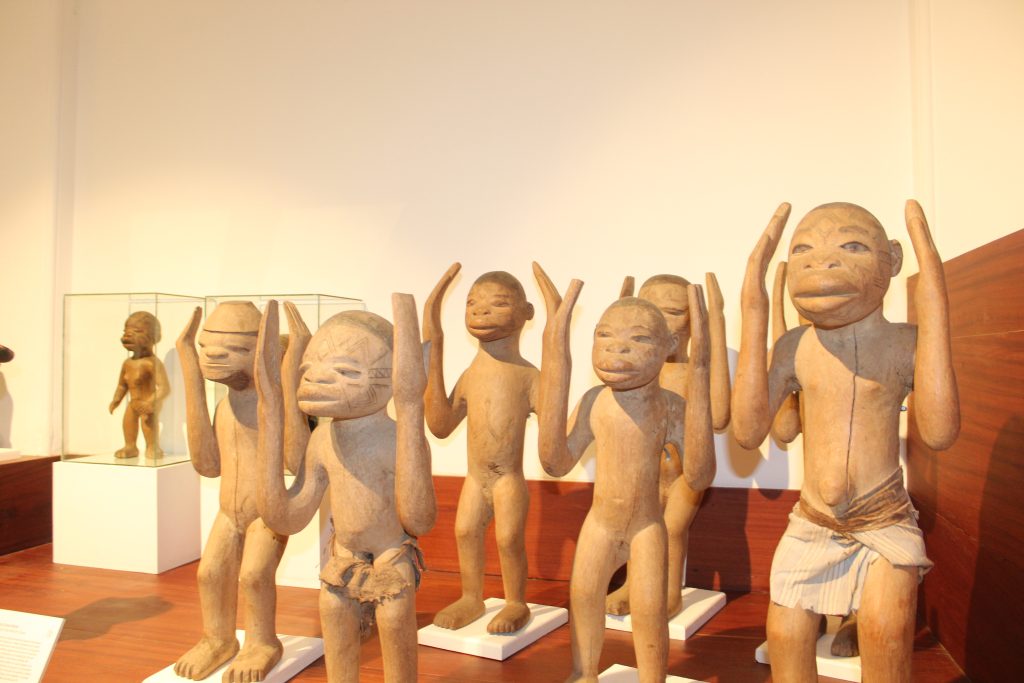
The refurbished Museum also includes an ethnographic gallery featuring around 500 objects representing the cultural practices of various Mozambican peoples — including art, sculpture, music, goldsmithing, pottery, and basketry — complemented by a historical photographic archive.
During the ceremony, the Ambassador of Italy to Mozambique, Gabriele Annis, remarked: “Our common goal was clear: not only to restore a historic building, but to relaunch the Museum as a gateway to Mozambique’s environmental knowledge — as a national centre for biodiversity conservation and as an educational and scientific space capable of shaping new generations of researchers and informed citizens.”
The Director of AICS, Marco Riccardo Rusconi, emphasized the structural impact of the initiative: “A key milestone of this transformation is the creation of the National Biodiversity Conservation Centre, which has already started preparing monitoring protocols and training programmes in close collaboration with the relevant Ministries and Eduardo Mondlane University.”
For his part, the Rector of Eduardo Mondlane University, Manuel Guilherme Júnior, expressed his gratitude: “We wish to sincerely thank all those who contributed to the rehabilitation process of our Natural History Museum, with special recognition to our partners from the Italian Republic.”
The reopening of the Natural History Museum of Maputo marks a historic milestone for the preservation of Mozambique’s cultural and scientific heritage, symbolizing not only the promotion of research, education, and culture, but also the strengthening of cooperation between Mozambique and Italy.
Through this refurbishment, the Museum takes on a renewed role as a centre for knowledge, scientific dissemination, and cultural attraction, contributing to the promotion of biodiversity and the development of a new environmental awareness in the country.