Provincial coordination committee wants extension of DELPAZ to ensure sustainability of projects in Manica

The DELPAZ provincial coordination committee in Manica has recommended extending the programme by one year, until 2025, to ensure that all the investments already made, in personnel and social infrastructure, become sustainable and continue to benefit the communities at the end of their implementation.

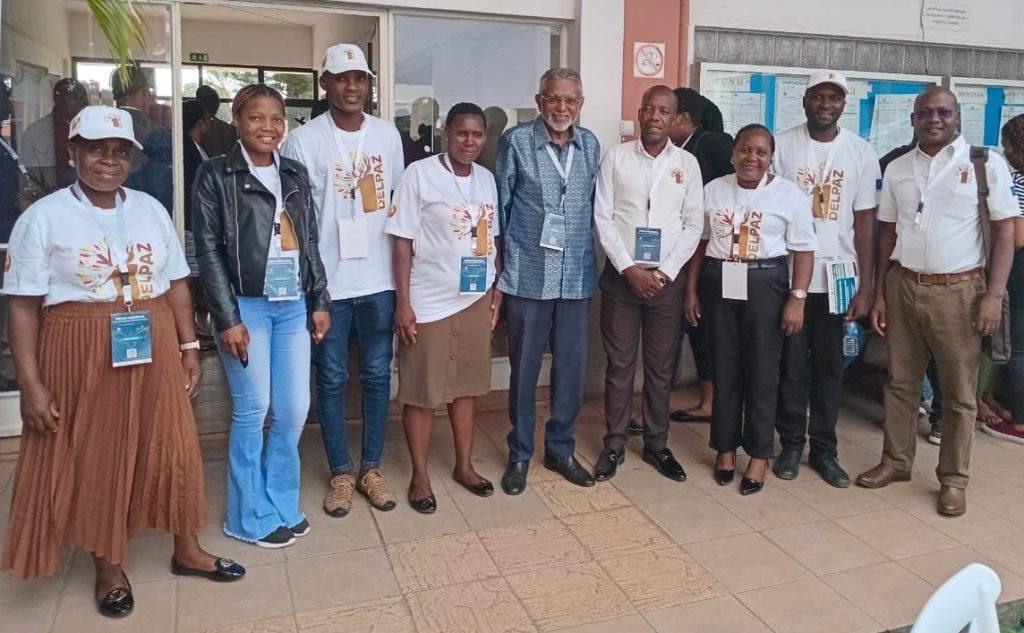
The coordinating body, which met in hybrid (face-to-face and remote) at the 5th Manica provincial committee on 29 May in the district headquarters of Macossa, whose debate was dominated by the extension of the programme, applauded the gains and social impact achieved so far with the implementation of DELPAZ in the five districts and suggested speeding up the implementation of the plans to catch up.

The committee members argue that the communities need more time to take ownership of the ongoing investments, which are improving their incomes and living conditions through livelihoods, as well as having a direct impact on agricultural activities and public infrastructure, such as water sources, markets, warehouses and others.
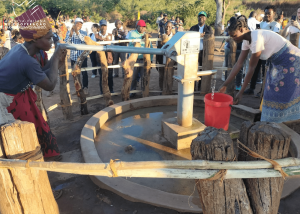
‘Everything is happening at the end, and in order to have all the gains we wanted with DELPAZ it was important to re-plan,’ to ensure that there is an exit strategy and sustainability, and that it must be integrated into the plans of the districts, emphasised Adelaide Charles, Permanent Secretary of the host district.

“We’re halfway there. Now things are looking up because they’re being done, and we need to guarantee sustainability, because our experience is that many projects have discontinued with their exit, and that won’t do any good if we want to contribute to consolidating peace,” emphasised Ernesto Lopes, Manica’s provincial director of Agriculture and Fisheries.

The Italian Agency for Development Cooperation (AICS), which implements DELPAZ in Manica and Tete, in partnership with a consortium of civil society organisations led by the Italian NGO Helpcode, noted that the extension of the programme is on the table and remains open, having already been discussed at the National Committee meeting on 24 May in Maputo.

In all five districts of Manica province, DELPAZ is implementing projects in the areas of agriculture, infrastructure and entrepreneurship to ensure the economic and social reintegration of all ex-combatants, their families and rural communities affected by the conflict in order to achieve lasting peace in Mozambique.

Meanwhile, the Manica provincial coordinating committee gave a positive assessment of the progress of DELPAZ’s activities between November 2023 and April 2024, highlighting the construction, rehabilitation, extension and equipping of public infrastructure, as well as the training of 64 public service technicians and 77 community members to improve local governance and community livelihoods.

Access to water

In the period in question, AICS notes that six hydraulic infrastructures were built, eight hydraulic infrastructures were rehabilitated and a manual pumping system was converted to solar, benefiting more than 19,000 people, including former guerrillas under the DDR. Of all the beneficiaries, 60 per cent are women.
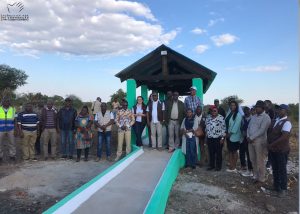
In the Barué district, two water supplies were built, directly affecting more than 3,800 people in two communities, where 12 former guerrillas under the DDR also live.

In Gondola, two water supplies were built, benefiting more than 1,200 people from two communities, where a former guerrilla is based.

In Macossa, eight water supply sources were rehabilitated, which has a direct impact on the lives of more than 11,600 people, including eight demobilised soldiers, while in Guro, a water supply source was built, benefiting more than 600 people in the community.

In the district of Tambara, a water supply source was built and a manual pumping system was converted to photovoltaic pumping, benefiting 2,700 members of two communities and five members of the DDR.

Furthermore, out of a total of 13 communities in the five districts that should benefit from solar-powered multi-purpose boreholes, geophysical surveys have been carried out in Macossa, while two boreholes have already been successfully drilled in two communities in Gondola, one positive and one negative borehole in Barué, two boreholes in Guro, and drilling has been completed in the three communities in Tambara.

Agriculture

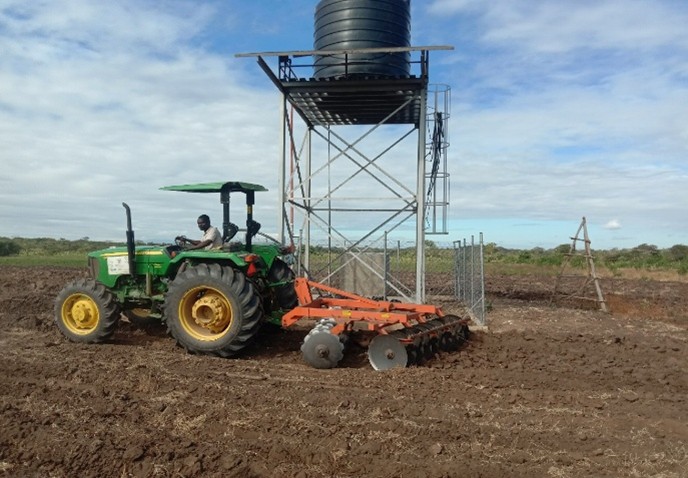
In agriculture, AICS continued, there was an increase in the adoption of intelligent agricultural technologies and practices to increase production and productivity, with the assistance of local institutions to be ‘green incubators’, with 51 agricultural associations benefiting.

In addition, 47 demonstration fields were set up for maize, mapira, beans, nhemba and peanuts, and certified seeds were delivered. Certified vegetable and common bean seeds were also delivered, along with the distribution of production materials. In addition, 18 multiplication plants were installed.
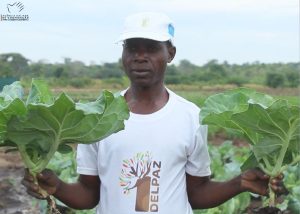
Five green points were also set up, one in each district, where in addition to irrigation infrastructure and incubators (shade trees), regular technical assistance is provided for production and marketing.

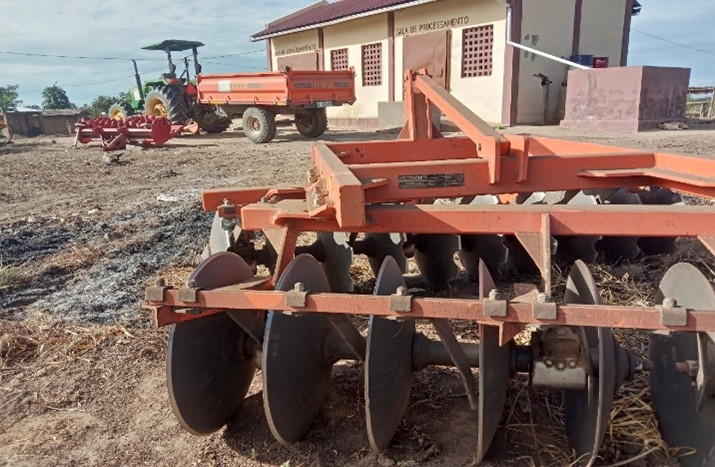
Also in the agricultural sector, animal treatment corridors were built, a carracicide tank was rehabilitated in Guro and Macossa, and a market and district warehouse in Macossa were rehabilitated to make agricultural production viable.

An irrigation system was set up in Guro, and a drip irrigation system and a gravity irrigation system were installed in Tambara.

Training

Training was given in associations and leadership. As part of improving service provision for public, private and civil society actors, 64 public service technicians from the 5 districts were trained in human rights, citizenship, financial literacy, participatory governance and protection from sexual abuse.

77 people were also trained in human rights, gender equality, leadership, climate change, economic empowerment and business and savings management, as part of local capacity building.
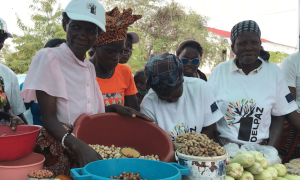
Seven savings groups were also set up in producers’ associations to support women’s empowerment and social inclusion at district and community level.

Two cycles of training were also completed, covering 131 young small farmers from the districts of Barué and Guro (20% of whom are relatives of former guerrillas under the DDR) in the areas of agricultural and animal production techniques and the conservation of agricultural products, in partnership with the Chimoio Agrarian Institute (IAC), the oldest institution in the field in Mozambique and Africa.

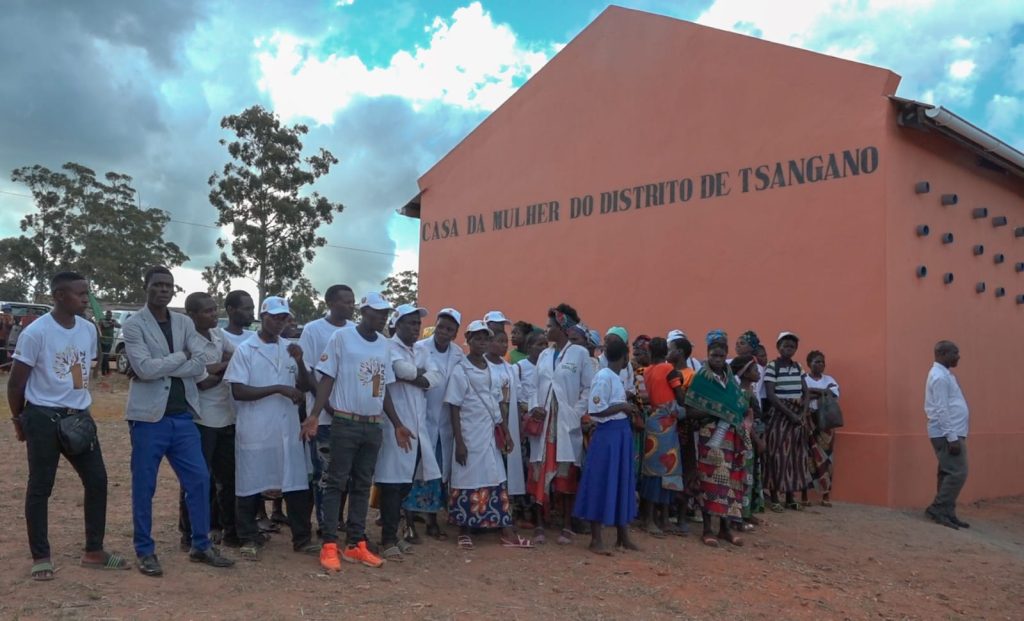
Janete, the “warrior” who rediscovered herself at the Tsangano Women’s House

Janete Mussone’s vibrant smile spreads an energy of discovery and connection during the inauguration of the Tsangano Women’s House, the first of its kind to be delivered under the implementation of DELPAZ to a remote community in Tete Province, in central Mozambique, a region once haunted by armed conflict.

Amid dancing and applause, Janete celebrates the achievement of soon being able to sell bread made with her own hands (previously, bread was imported from Malawi) and the support she receives from 15 other women, out of the 20 members of the Women’s House that she leads, whose stories intertwine as they begin new paths and rebuild dreams, as well as reaffirm their rights.

“It is the first time we have had this house in Tsangano, which brings together many activities that will change the stories of many families in this district,” says an enthusiastic Janete Mussone, who herself has just rediscovered herself, as she explores with a determined gaze the spaces that will host the various initiatives to be developed there.

The Tsangano Women’s House is a space for shelter, listening, training, and empowerment for women and men, aimed at promoting local economic growth.

In addition to being a centre for providing support, the Tsangano Women’s House represents for each woman a place of guidance, protection, and respect. It was inaugurated on 27 March 2025, and was attended by Anne-Aël Pohu, representative of the Delegation of the European Union in Mozambique.

“Here we want to bake bread and sell it right here. We will also do some farming business activities, such as vegetable production, to be sold here. We also have a meeting room for our gatherings and for community hire, as well as a storage facility that can be rented to store agricultural products from traders,” emphasises Janete Mussone, noting how this will help address inequalities and lack of opportunity.

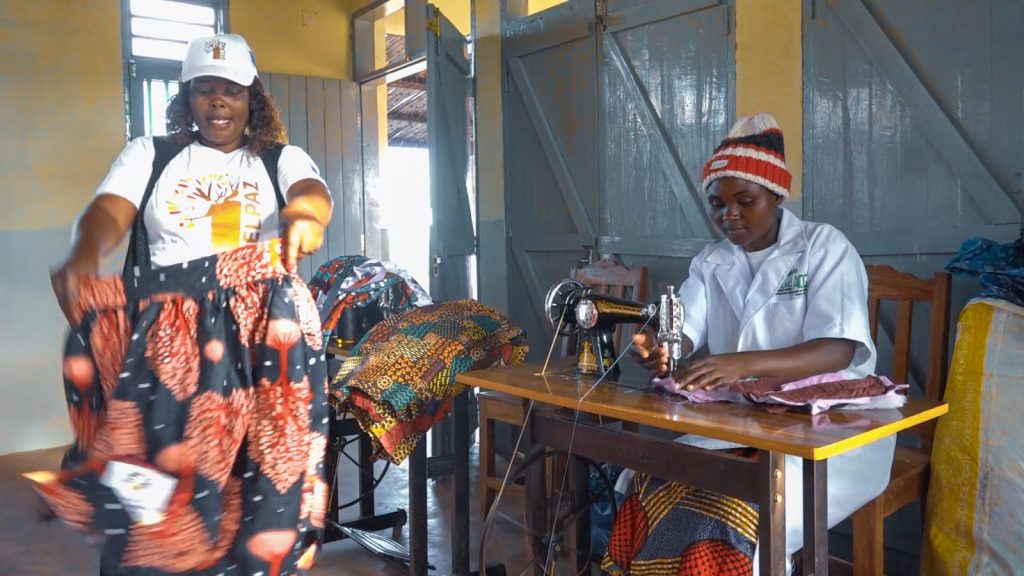
“I discovered that among us women [at the Women’s House] there were many hidden talents, whether in cooking or tailoring, because we are making incredible clothes that we sell to the community,” highlights Janete Mussone, adding that “before, it was only possible to buy these cape-based fashion garments in Tete or Maputo.”

The green incubator, demonstration farming field, and multipurpose water supply system—structures built adjacent to the Women’s House—will revolutionise agriculture, as well as ensure drinking water for the community and irrigation for the Women’s House fields.

“In this Women’s House farm, we will work ourselves, and the produce we harvest will be sold, and the money will be invested here in the house’s restaurant, but also to meet other needs we may have,” she notes, while listing the range of activities.

For her, the Women’s House is more than a physical space; it is a symbol of welcome, empowerment, and transformation, where women are heard, valued, and strengthened to become protagonists of their own stories.

The Women’s House is part of the DELPAZ initiative, a programme that has played a crucial role in transforming the lives of communities covered in Tete Province, specifically in the districts of Moatize, Tsangano and Dôa.

The programme brings together efforts to promote economic and social development, with visible impact on the most vulnerable communities.

DELPAZ is a programme of the Mozambican Government, funded by the European Union, implemented by the Italian Agency for Development Cooperation (AICS) in the provinces of Manica and Tete, and by the Austrian Development Agency in Sofala Province, with the secretariat managed by the United Nations Capital Development Fund.

Bartolomeu, the former guerrilla fighter who lives from farming in the “desert”

Bartolomeu Tenesse, 58, fought for 13 years in the guerrilla forces of the Mozambican National Resistance (Renamo), in a front whose mission was to sustain the civil war, using weapons that were meant to be seized in military barracks raids. He was demobilised twice, most recently in June 2021, and is now, for the second time, living what is referred to as civilian life.

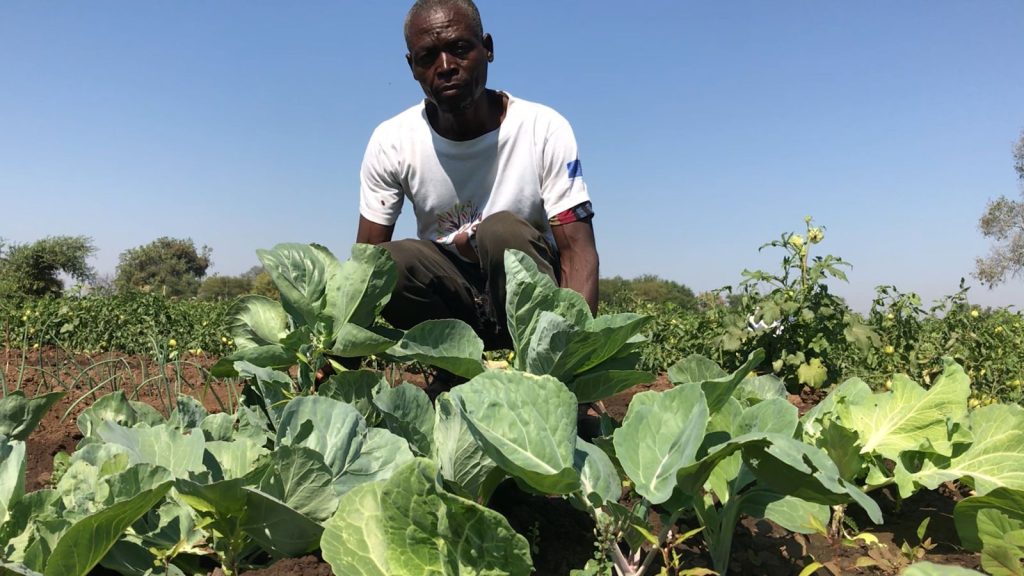
The former guerrilla is now struggling to support his community through agriculture, which he practises in the village of Casado, in Tambara, a district with a dry steppe climate, a dry winter and low annual rainfall.

The district of Tambara, in Manica province in central Mozambique, is currently being hit by severe hunger caused by a drought induced by the El Niño phenomenon, which has devastated harvests. Across the Zambezi River, Tambara borders the district of Mzimba in Malawi, which has been declared a disaster zone due to the same phenomenon.

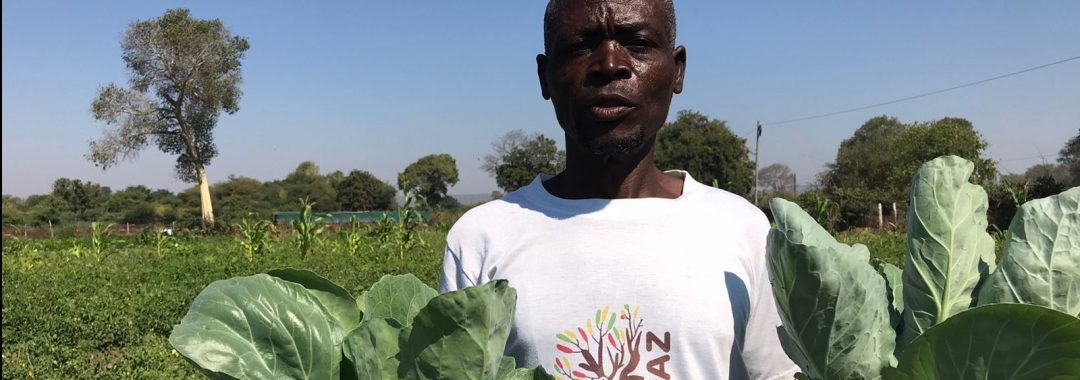
“Food insecurity this year is alarming. There are families surviving on maize bran, wild fruits and tubers. Others go days without eating. So if I intensify farming, with good water availability, I can withstand any kind of hunger,” says Bartolomeu Tenesse, his hand on his chin and his arm resting on the handle of a hoe.

Bartolomeu was recruited into the guerrilla movement at the age of 15, in 1985, in Angónia (Tete), when he was travelling to Blantyre in search of work in Malawi, during the 16-year civil war.

“Our vehicle was intercepted; the young people were separated and taken to a place where we spent the night. At dawn, we were surprised to see that we were being guarded by armed men. They told us we had to carry out the mission of bringing democracy to the country,” he recalls, referring to his transfer for military training at the Chiriza base in Angónia.

He remained at that base until 1987, carrying out operations in Tete province, when he was called to the central base of Merece-Chamboco in the Gorongosa mountains, where he met and spoke with the historical leader Afonso Dhlakama.

“We greeted President (Afonso) Dhlakama as soldiers from Tete. From there we were divided into small groups, and I was sent to Inhaminga in Sofala. Later we operated in Dondo, Nhamatanda, Shemba, until we returned to one of the bases in Tete province.”

He added: “Our task was to fight and collect military equipment for our bases. On one of those weapon-delivery missions, I was taken again to the place where President Afonso Dhlakama was.” He was later recognised for those missions and, a few years afterwards, the General Peace Agreement (GPA) was reached in Rome in 1992.

Even “in peace, we continued to suffer, without freedom or democracy”, which led him to return to the bush in 2017 from the Nhandete base (Tambara), from where they mourned the “painful” death of Afonso Dhlakama in May 2018, until he was demobilised for the second time in June 2021 in Báruè, under the Disarmament, Demobilisation and Reintegration (DDR) process stemming from the Maputo Peace Agreement signed in 2019.

Like most former Renamo fighters, Bartolomeu was first demobilised in 1994 by the United Nations peacekeeping mission in Mozambique (ONUMOZ).

He recalls that during his second demobilisation, he returned to his resettlement village in Tambara with a machete, a hoe, an axe, a variety of agricultural seeds, and a promise of development projects and a subsistence pension.

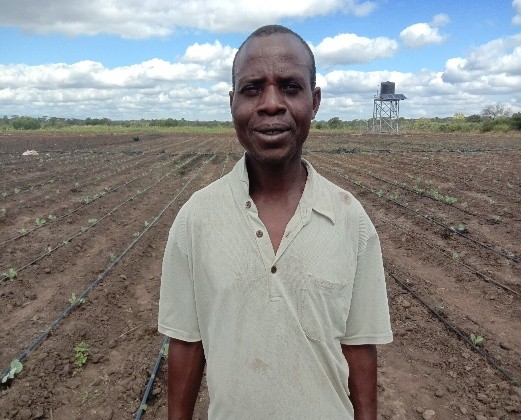
“They said projects would come, and we received the DELPAZ programme. In fact, it installed a gravity-fed irrigation system that we have been using since last year. We also benefited from seeds and support from extension workers from the programme, which is helping to significantly increase production in a place that is difficult to farm because it is a dry area,” explains Bartolomeu Tenesse.

The former guerrilla is a member of one of ten farmers’ associations supported by the DELPAZ programme, which places particular emphasis on creating opportunities for young people, women, as well as former combatants and their families.

Bartolomeu and part of his family work at the Tambara Green Point, a technology transfer field that provides agricultural technologies and smart farming practices aimed at increasing production and productivity for the ten farming associations and the wider population of Tambara.


Investing in women: accelerating progress

On the day on which International Women’s Day is celebrated all over the world, we want to recall the message launched by Amélia Andalusa, from Dunda, Macossa district, in the province of Manica, during the first women’s camp organised by the DELPAZ Programme last November: “Conflict is a trauma for women, in every part of our lives. But now we want to continue to live in peace and we want to be emancipated, to do agriculture, small businesses, raise animals, we also know that there is digital economic emancipation, where we can use our phones to trade”.

This year, in fact, the International Women’s Day 2024 focuses on the crucial theme of ‘Investing in Women: Accelerating Progress’.[i] An opportunity to reflect on the importance of ensuring the rights of women and girls in all spheres of life, recognising that this not only fuels prosperous and just economies, but also helps to preserve a healthy planet for future generations.

The UNWomen report highlights that achieving gender equality in the Sustainable Development Goals requires USD 360 billion per year.[ii] However, the focus must not be limited to increasing funding, but also to reforming institutions at all levels so that the promotion of women’s empowerment becomes a political priority and an essential public investment.

To ‘accelerate progress’, UNWomen emphasises the need to ensure women’s access to financial resources, land, information, and technology. [iii]Promoting decent and sustainable employment, recognising the value of women’s care work, combating gender-based violence and promoting women’s participation in all decision-making processes are key actions.

The DELPAZ programme, an EU-funded Mozambican government programme, managed in collaboration with the United Nations Capital Development Fund (UNCDF), and the Austrian cooperation agency (ADA), and implemented by the Italian Agency for Development Cooperation (AICS) in the Provinces of Manica and Tete, and ADA in Sofala Province, is committed to translating these principles into concrete actions. Working closely with local institutions, DELPAZ promotes investments in public infrastructure to reduce inequalities in access to resources and improve women’s empowerment.

DELPAZ takes an inclusive approach, working on raising community awareness about peacebuilding, social inclusion and combating gender-based violence. And it does so by starting with voices, points of view, the creation of spaces for women – fundamental elements of women’s agency. DELPAZ is also committed to creating self-employment opportunities through vocational training courses and support for micro-enterprise start-ups, with a focus on women’s economic empowerment.

A tangible example of DELPAZ’s commitment is the Solidarity Camp in the Báruè District, Manica Province, organized in November 2023. This collective practice promotes solidarity, inclusion, and diversity, strengthening the role of women as local actors and building their leadership. Through these camps, women actively participate in decision-making processes, identify vulnerabilities and needs, and build concrete alternatives supported by the programme. Thus, we want to celebrate this 8 March 2024 by sharing the Declaration drafted by the women and men who participated in the Solidarity Camp.

On the day, Amélia Andalusa was very clear: ‘We already have our savings group and we need to raise awareness of other women. That’s why we want more camps like this! They should be organised in all districts, replicated and held in the communities, because that’s how we empower women and also men.”

AICS intensifies its efforts through initiatives focused on women’s access to financial resources, land and Information and Communication Technologies (ICTs). Projects such as ‘Coding Girls’ aim to enhance women’s skills, opening up new opportunities for access to decent jobs in ICTs. Furthermore, initiatives such as ‘As Mulheres do SUSTENTA’ contribute concretely to the promotion of equal participation and leadership of women in rural areas.

The commitment of AICS to the DELPAZ Programme, reflects a holistic and targeted approach to addressing gender inequalities, providing concrete and sustainable solutions to ensure the well-being and empowerment of women in 2024 and beyond.

[i]  https://www.unwomen.org/en/news-stories/announcement/2023/12/international-womens-day-2024-invest-in-women-accelerate-progress

[ii]  https://www.unwomen.org/en/digital-library/publications/2023/09/progress-on-the-sustainable-development-goals-the-gender-snapshot-2023

[iii] https://www.unwomen.org/en/news-stories/explainer/2024/02/five-things-to-accelerate-womens-economic-empowerment