Marcos Augusto: personal transformation and creating opportunities for the youth of his community

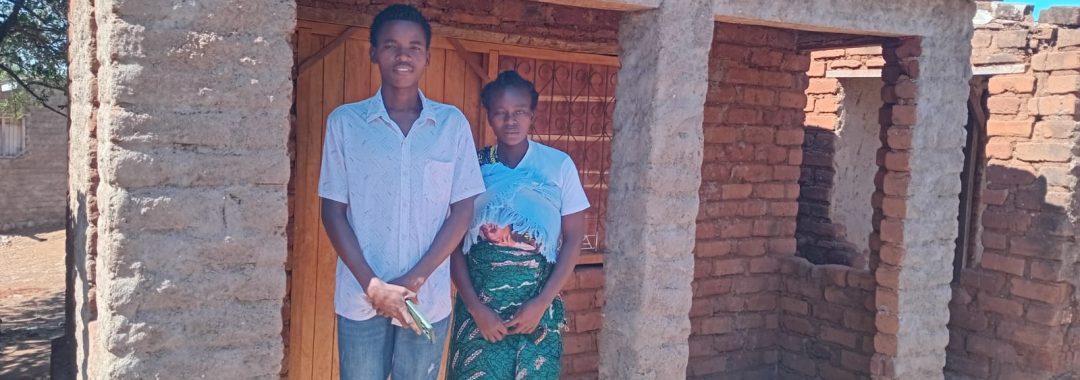
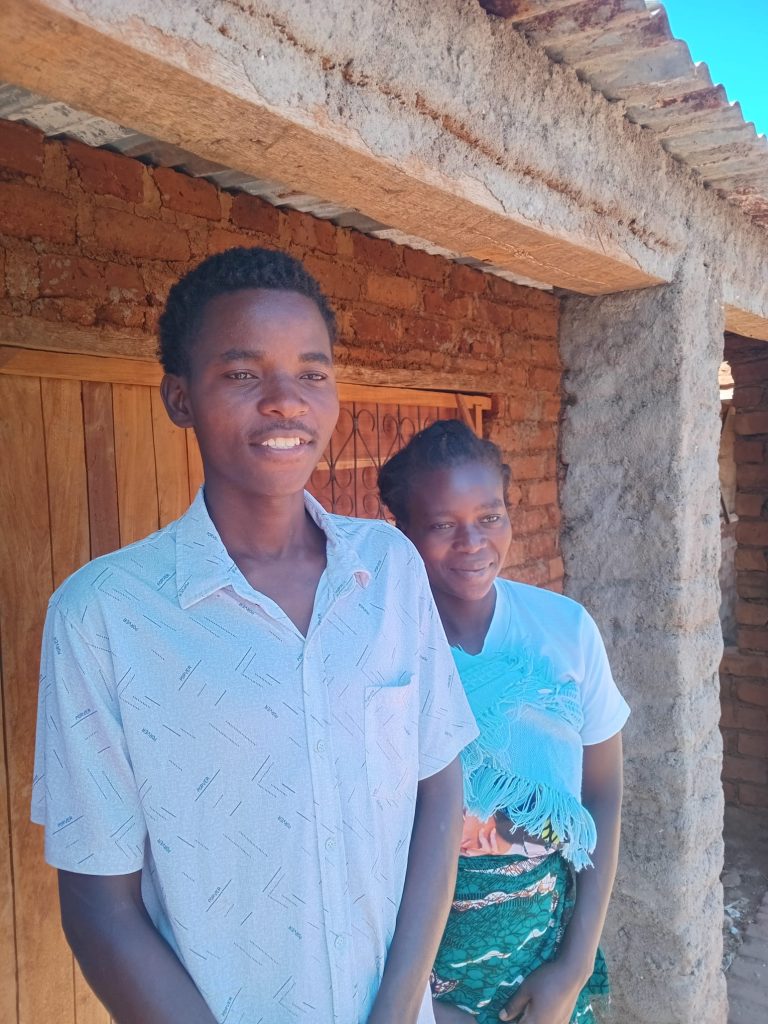
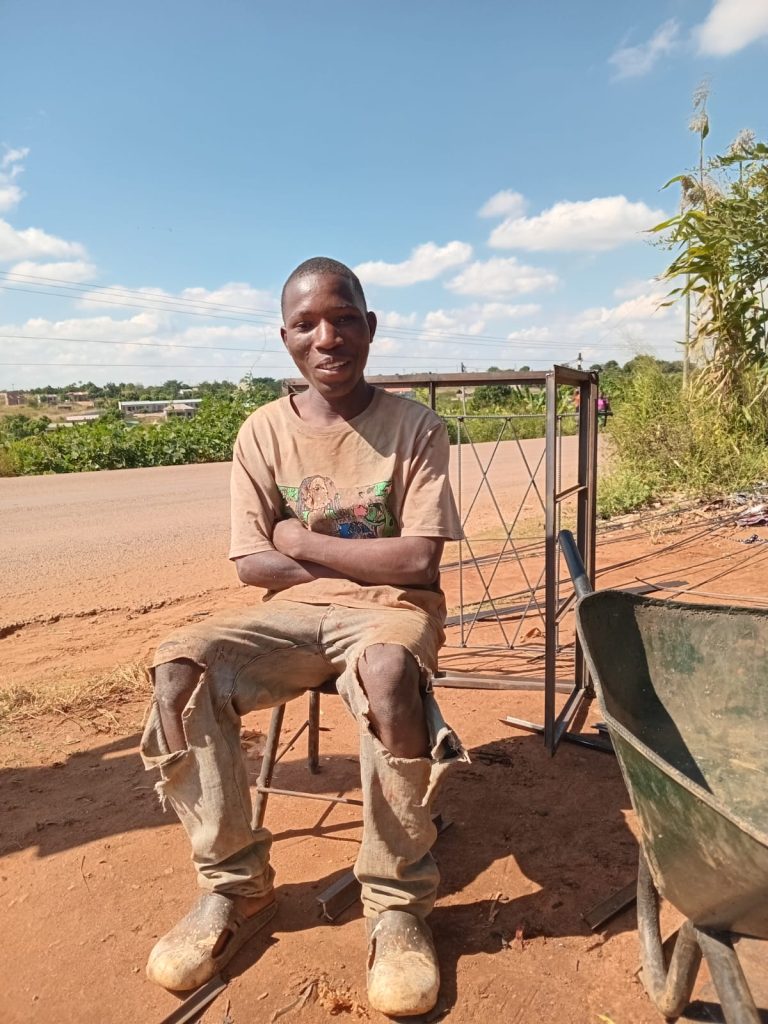
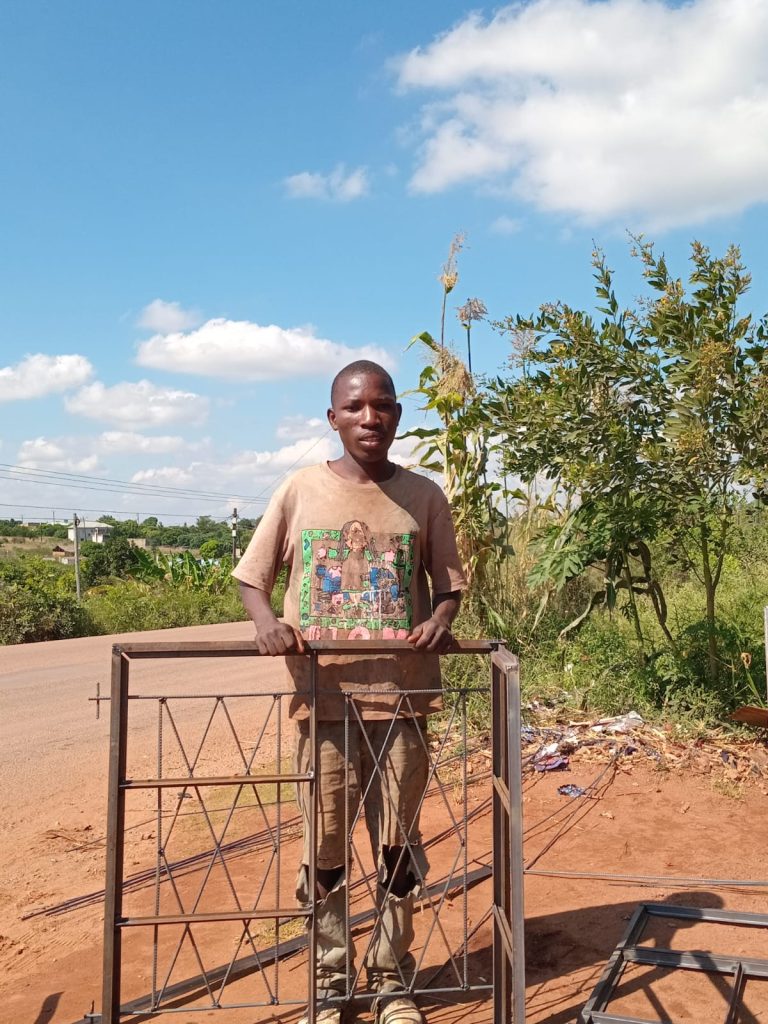
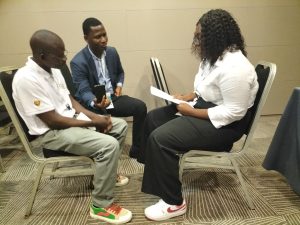
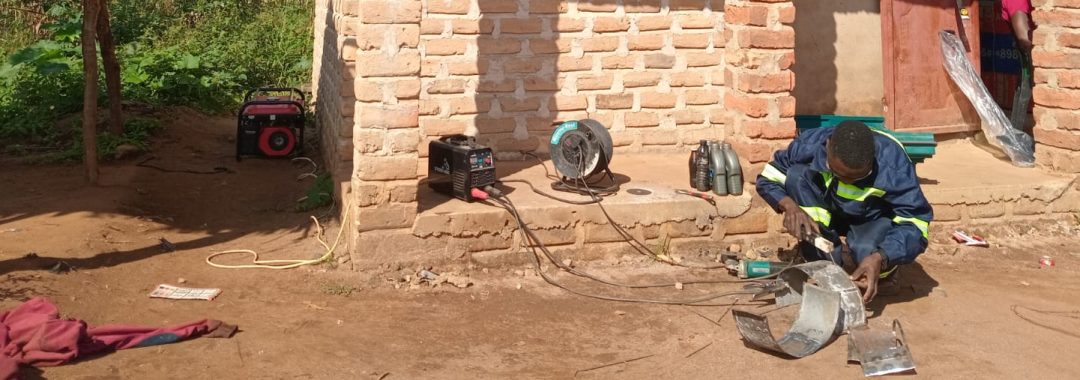
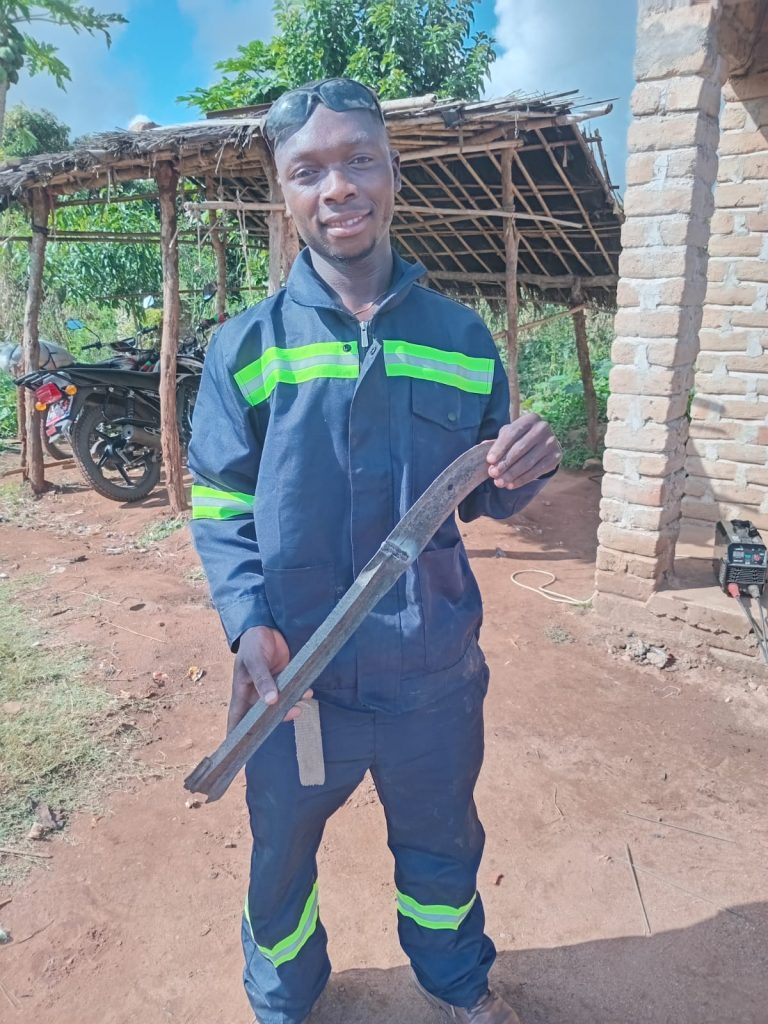
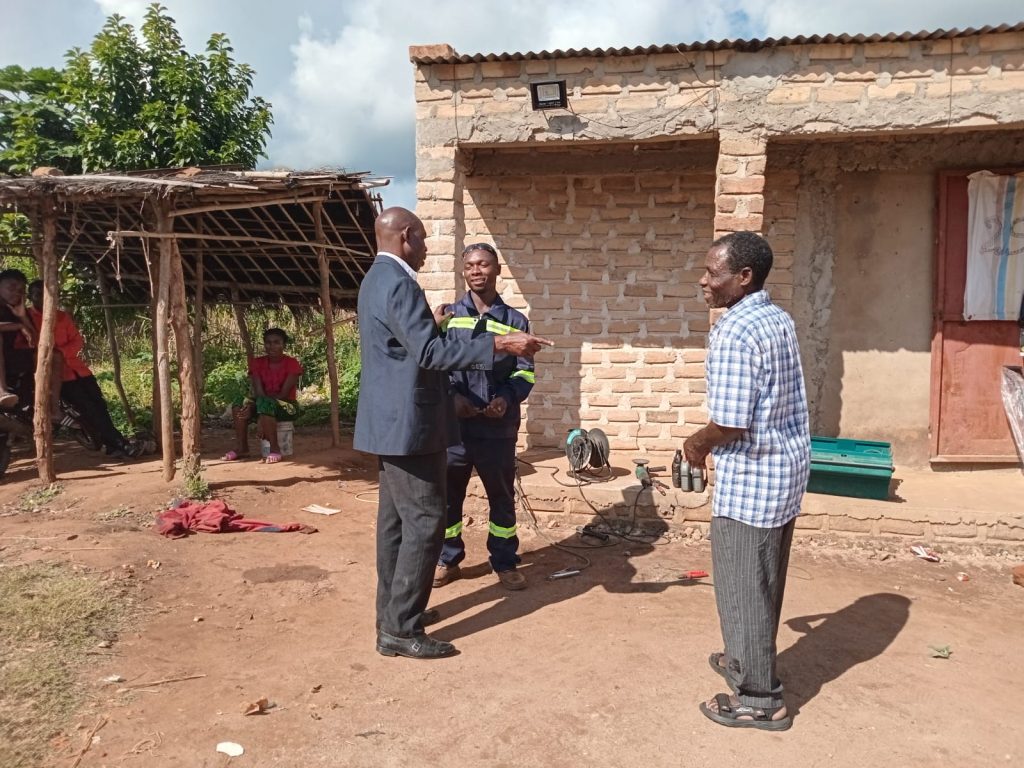
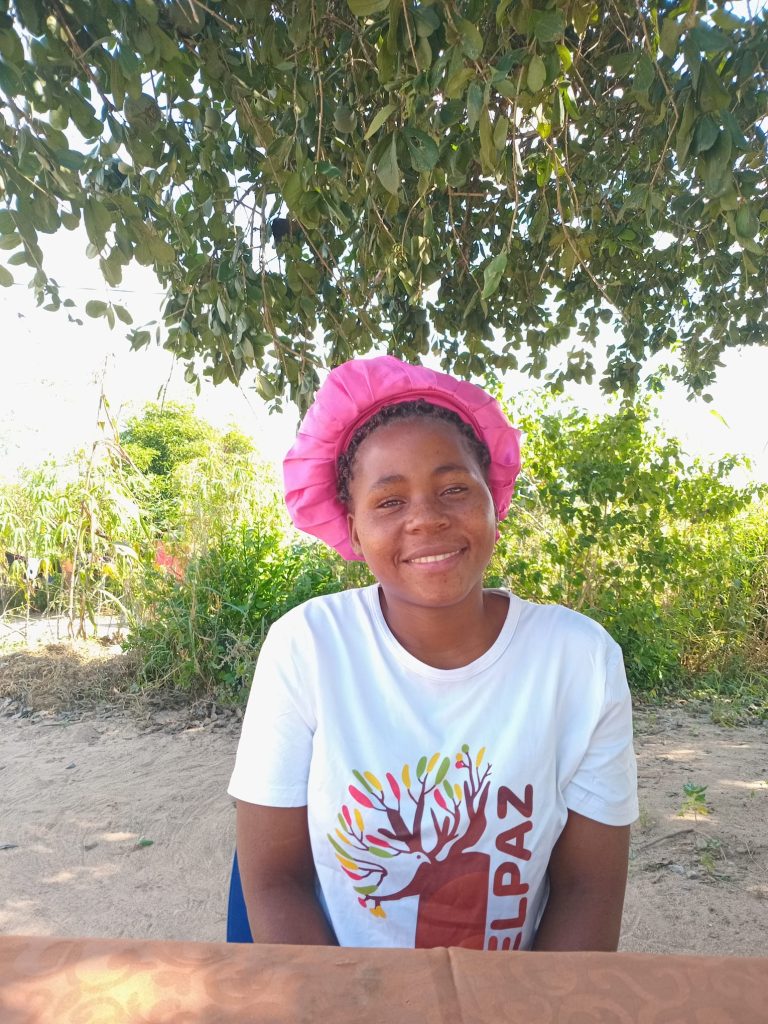
Marcos Augusto, with a trajectory like that of many young people in his village of Mudima, in the northwestern interior of Gondola, Manica province, finished 10th grade and spent many years waiting for a job opportunity in the public sector.

He only had one year left of ‘hope’ for his dream job in the state – as the age limit for admission is 35 – when, earlier this year, he applied for a carpentry training position under DELPAZ, a Mozambican government programme implemented by the Italian Agency for Development Cooperation (AICS), which pays special attention to creating opportunities for young people, women, ex-combatants and their families.

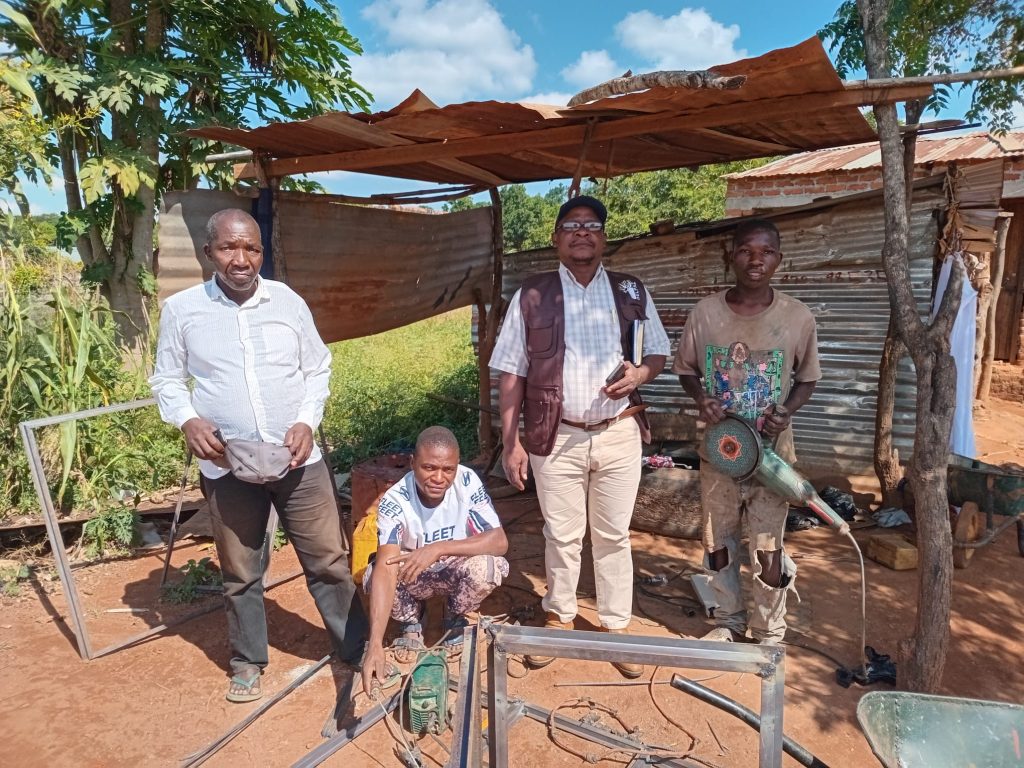
‘I applied and was selected in the two phases before the training and, together with other trainees, we were admitted to a training course that started on 15 May 2024, and I chose the area of carpentry,’ explained Marcos Augusto, who is doing a one-month internship.

He emphasised that training in carpentry was the push he needed to take the lead in his career. Since then, he has started to ‘write’ his own story,’ says Marcos Augusto, ’embracing with dedication the opportunity to train in carpentry, a trade with which he intends to create self-employment and help his remote community.

‘From where I live to the town of Gondola is 18 kilometres, and for those who need coffins for burials, or to have windows, doors and other items built, getting there is quite expensive. That is why I thought of becoming a local carpenter,’ he said.

Learning the trade, he said, was essential for him to think about building a successful career, one that will focus on helping many young people in his village get out of unemployment, taking refuge in crime and drug use.

‘There are young people who are not working, so if I bet on self-employment, with the kit they will give me in this training and some money, I will take young people and employ them in my carpentry workshop. That way, these young people won’t steal, and they won’t have dependencies. They will work in my company, which I want to grow,’ he said.

This training was quite advantageous for him. It would have taken him a lot longer to become a carpenter, a desire, however, that he had also long had to follow in the footsteps of his uncle, a carpenter.

‘I would like the project to provide me with manual and electronic equipment, because electrical equipment produces furniture faster than manual equipment, which would really help me achieve my goal of employing many young people in my area who are not working,’ he said.

Thanks to the development of skills and confidence, Marcos Augusto is grateful for the opportunity provided by DELPAZ and hopes that the programme will reach other young people in the provinces affected by the armed conflict.
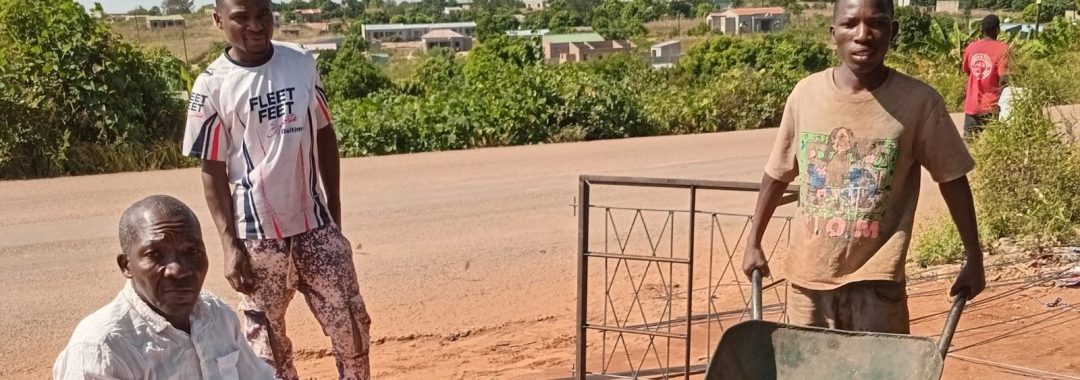
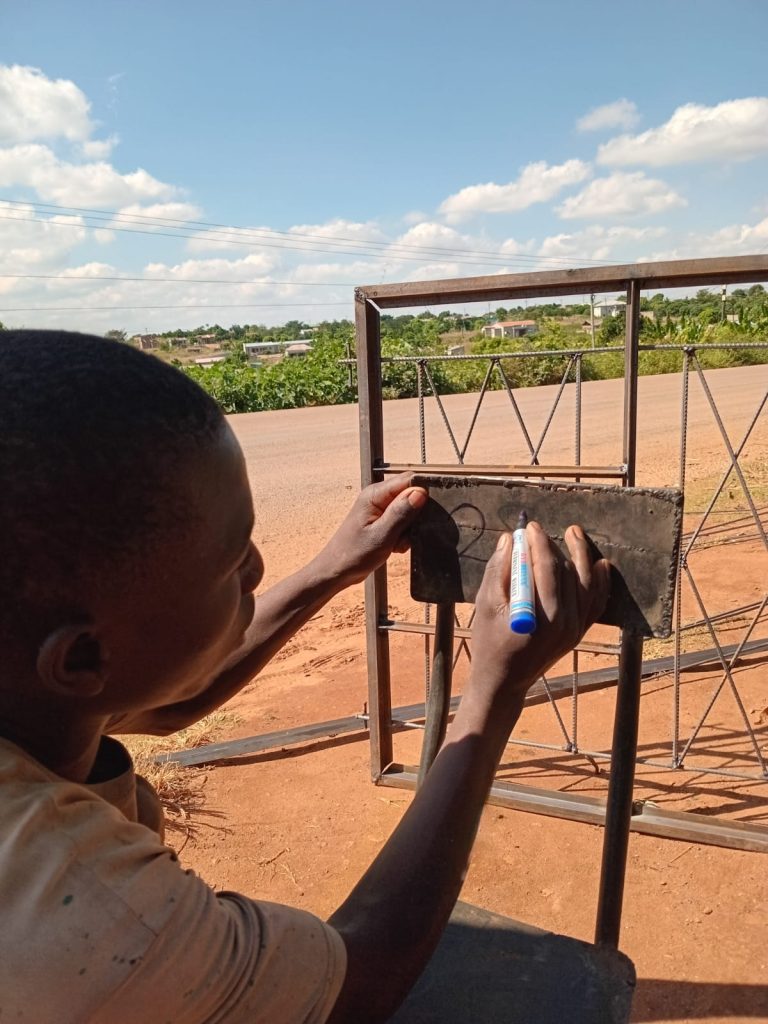
A total of 100 young people have already benefited from vocational training in carpentry, blacksmithing, construction, mechanics and tailoring in the five districts where DELPAZ is implemented in Manica province.

Eneida, the young electrician who wants to transform her quiet village with smart lighting

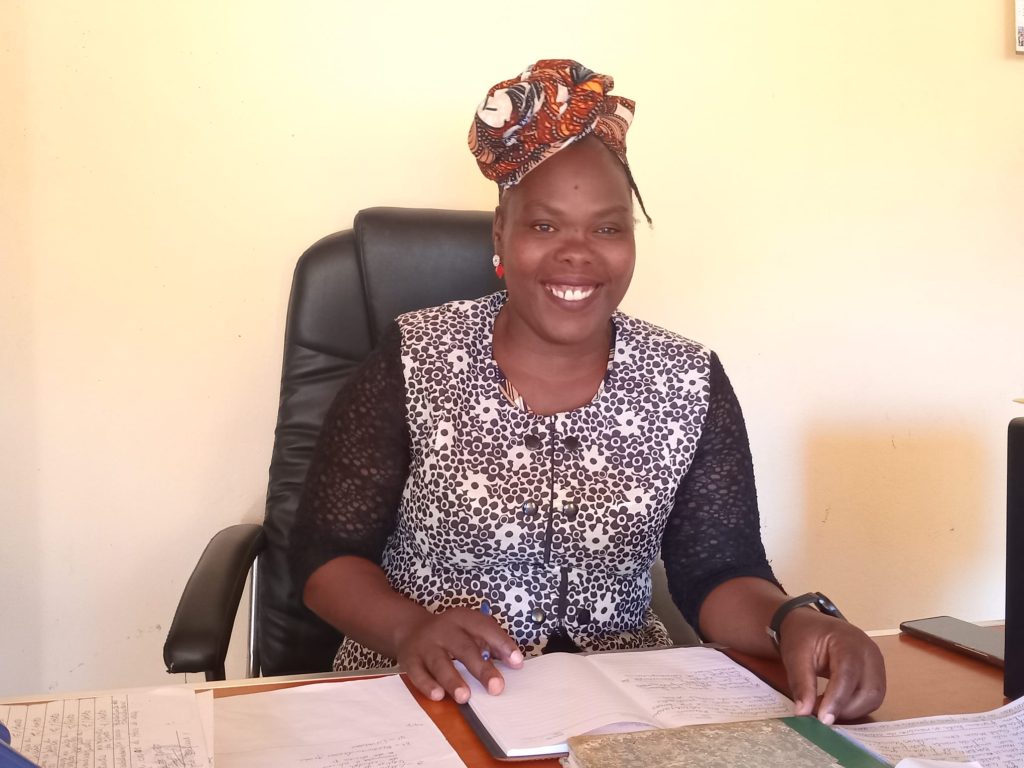
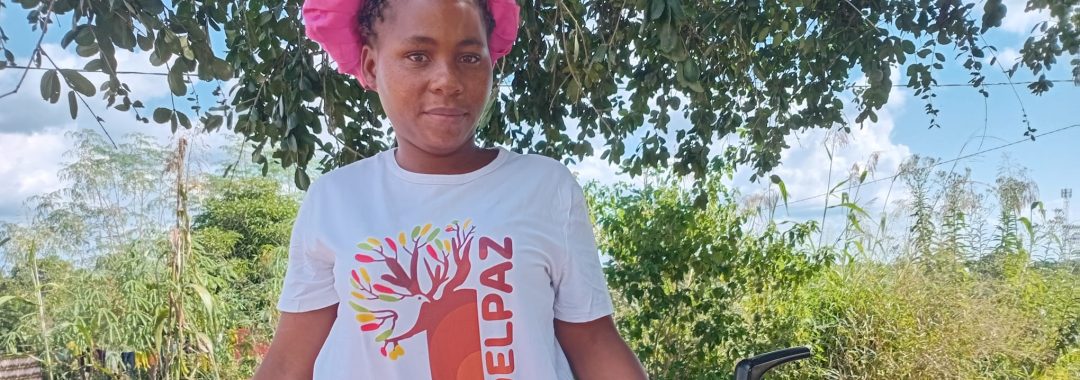
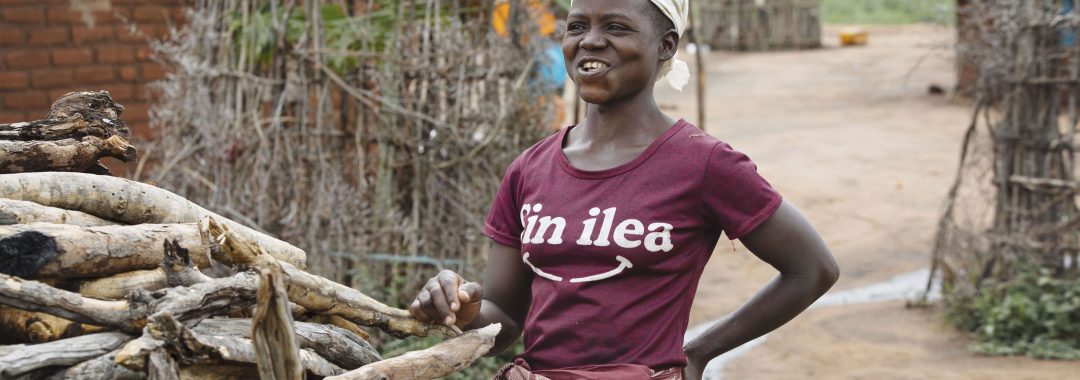
Driven by her love of electricity, Eneida Piedade Domingos, 24, was inspired to transform her quiet village in the interior of the Guro district with smart lighting, after having benefited from the electrical installation course promoted within the DELPAZ programme.

The daughter of a former Renamo guerrilla fighter, she says that the armed conflict in her district has slowed development, but also the form of lighting, which is not in tune with the harmony of light compared to developed cities in the country and the world.

‘This was the opportunity I found to take a course,’ she says, emphasising that this gave her the knowledge she needed to realise her dream of seeing her village use technology to light its houses and streets. Eneida points out that although this technique is already applied in other parts of the world, it is still little used in her district.

‘The example of using photocells in houses makes it possible to flip the switch at a certain time and light up a room without the need for human presence,’ as well as the use of app-controlled smart bulbs to save energy consumption in homes, he explains enthusiastically.

She emphasised that ‘the course helped me to come up with ideas for changes in my district, such as the use of objects that many people already use’ in advanced cities.

Eneida finished compulsory schooling without having had the opportunity for vocational training, especially in the field of electricity, her passion since childhood, and sees this opportunity as a window of change for her social life as well.

‘I am a woman and I was able to take the electricity course; therefore, I encourage other women to take this type of training and find a job,’ to achieve economic independence and “not just wait for men to work”.

She insists that women should be able to support the family on their own and ‘not just wait for the man, wait for money from someone, so having an education is important to be able to support one’s family,’ she notes, thanking DELPAZ for its efforts in providing training opportunities for young people.

‘I am very happy that the DELPAZ programme has given us this opportunity to study, I am really grateful, because even though not all the young people in my district were able to take the course, I will reach out to other young people to teach and together transform our district,’ says Eneida Piedade Domingos.

A total of 100 young people has already benefited from vocational training in carpentry, metallurgy, construction, mechanics and tailoring in the five districts where DELPAZ is implemented in the province of Manica.

The DELPAZ programme pays special attention to creating opportunities for young people, women, ex-combatants and their families.

In all five districts of Manica Province, thousands of people have already benefited from DELPAZ, which is implementing projects in the areas of agriculture, infrastructure and entrepreneurship to ensure the economic and social reintegration of all ex-combatants, their families and rural communities affected by the conflict, in order to achieve lasting peace in Mozambique.

The Mozambican government’s programme is funded by the European Union, and together with UNCDF is implemented by the Italian Agency for Development Cooperation (AICS), which implements DELPAZ in the provinces of Manica and Tete, and by the Austrian Development Agency (ADA) in Sofala.

Investing in women: accelerating progress

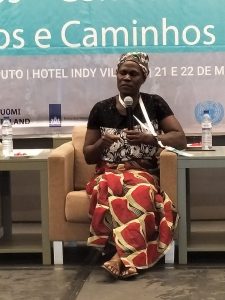
On the day on which International Women’s Day is celebrated all over the world, we want to recall the message launched by Amélia Andalusa, from Dunda, Macossa district, in the province of Manica, during the first women’s camp organised by the DELPAZ Programme last November: “Conflict is a trauma for women, in every part of our lives. But now we want to continue to live in peace and we want to be emancipated, to do agriculture, small businesses, raise animals, we also know that there is digital economic emancipation, where we can use our phones to trade”.

This year, in fact, the International Women’s Day 2024 focuses on the crucial theme of ‘Investing in Women: Accelerating Progress’.[i] An opportunity to reflect on the importance of ensuring the rights of women and girls in all spheres of life, recognising that this not only fuels prosperous and just economies, but also helps to preserve a healthy planet for future generations.

The UNWomen report highlights that achieving gender equality in the Sustainable Development Goals requires USD 360 billion per year.[ii] However, the focus must not be limited to increasing funding, but also to reforming institutions at all levels so that the promotion of women’s empowerment becomes a political priority and an essential public investment.

To ‘accelerate progress’, UNWomen emphasises the need to ensure women’s access to financial resources, land, information, and technology. [iii]Promoting decent and sustainable employment, recognising the value of women’s care work, combating gender-based violence and promoting women’s participation in all decision-making processes are key actions.

The DELPAZ programme, an EU-funded Mozambican government programme, managed in collaboration with the United Nations Capital Development Fund (UNCDF), and the Austrian cooperation agency (ADA), and implemented by the Italian Agency for Development Cooperation (AICS) in the Provinces of Manica and Tete, and ADA in Sofala Province, is committed to translating these principles into concrete actions. Working closely with local institutions, DELPAZ promotes investments in public infrastructure to reduce inequalities in access to resources and improve women’s empowerment.

DELPAZ takes an inclusive approach, working on raising community awareness about peacebuilding, social inclusion and combating gender-based violence. And it does so by starting with voices, points of view, the creation of spaces for women – fundamental elements of women’s agency. DELPAZ is also committed to creating self-employment opportunities through vocational training courses and support for micro-enterprise start-ups, with a focus on women’s economic empowerment.

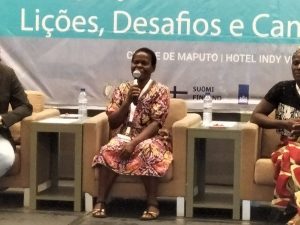
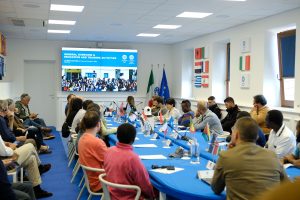
A tangible example of DELPAZ’s commitment is the Solidarity Camp in the Báruè District, Manica Province, organized in November 2023. This collective practice promotes solidarity, inclusion, and diversity, strengthening the role of women as local actors and building their leadership. Through these camps, women actively participate in decision-making processes, identify vulnerabilities and needs, and build concrete alternatives supported by the programme. Thus, we want to celebrate this 8 March 2024 by sharing the Declaration drafted by the women and men who participated in the Solidarity Camp.

On the day, Amélia Andalusa was very clear: ‘We already have our savings group and we need to raise awareness of other women. That’s why we want more camps like this! They should be organised in all districts, replicated and held in the communities, because that’s how we empower women and also men.”

AICS intensifies its efforts through initiatives focused on women’s access to financial resources, land and Information and Communication Technologies (ICTs). Projects such as ‘Coding Girls’ aim to enhance women’s skills, opening up new opportunities for access to decent jobs in ICTs. Furthermore, initiatives such as ‘As Mulheres do SUSTENTA’ contribute concretely to the promotion of equal participation and leadership of women in rural areas.

The commitment of AICS to the DELPAZ Programme, reflects a holistic and targeted approach to addressing gender inequalities, providing concrete and sustainable solutions to ensure the well-being and empowerment of women in 2024 and beyond.

[i]  https://www.unwomen.org/en/news-stories/announcement/2023/12/international-womens-day-2024-invest-in-women-accelerate-progress

[ii]  https://www.unwomen.org/en/digital-library/publications/2023/09/progress-on-the-sustainable-development-goals-the-gender-snapshot-2023

[iii] https://www.unwomen.org/en/news-stories/explainer/2024/02/five-things-to-accelerate-womens-economic-empowerment


From conflict to agriculture: Evelina, an example of rebirth thanks to the DELPAZ programme

In Mozambique, particularly in the district of Gondola in Manica province, positive change is transforming lives and communities thanks to the DELPAZ programme. This programme is demonstrating its concrete impact through stories of rebirth like that of Evelina, a former guerrilla involved in the Disarmament, Demobilisation and Social Reintegration (DDR) process.

A witness to this transformation, Evelina recently shared her experience in an article published in the SAVANA newspaper. From her life in conflict, she is now embarking on a new path centred on agriculture and the well-being of her family. Her testimony is not only an inspiration, but also tangible proof of the value of programmes like DELPAZ in changing destinies and regenerating communities, and reflects the success of a holistic approach that goes beyond mere assistance, investing in human potential and local resources.

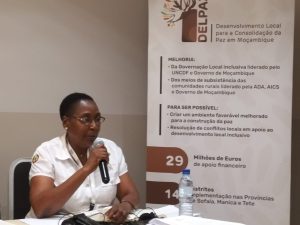
The DELPAZ Programme seeks to coordinate efforts between the government, partners and civil society organisations to invest in infrastructure, agricultural development and entrepreneurship. This endeavour aims to relaunch the economy of communities affected by conflict in 14 districts in the provinces of Manica, Tete and Sofala. Thanks to funding from the European Union and the implementation of the Italian Agency for Development Cooperation (AICS) in Manica and Tete; the Austrian Development Agency (ADA) in Sofala; with the support of the United Nations Capital Development Fund (UNCDF), DELPAZ supports the creation of opportunities to improve the lives of many people.