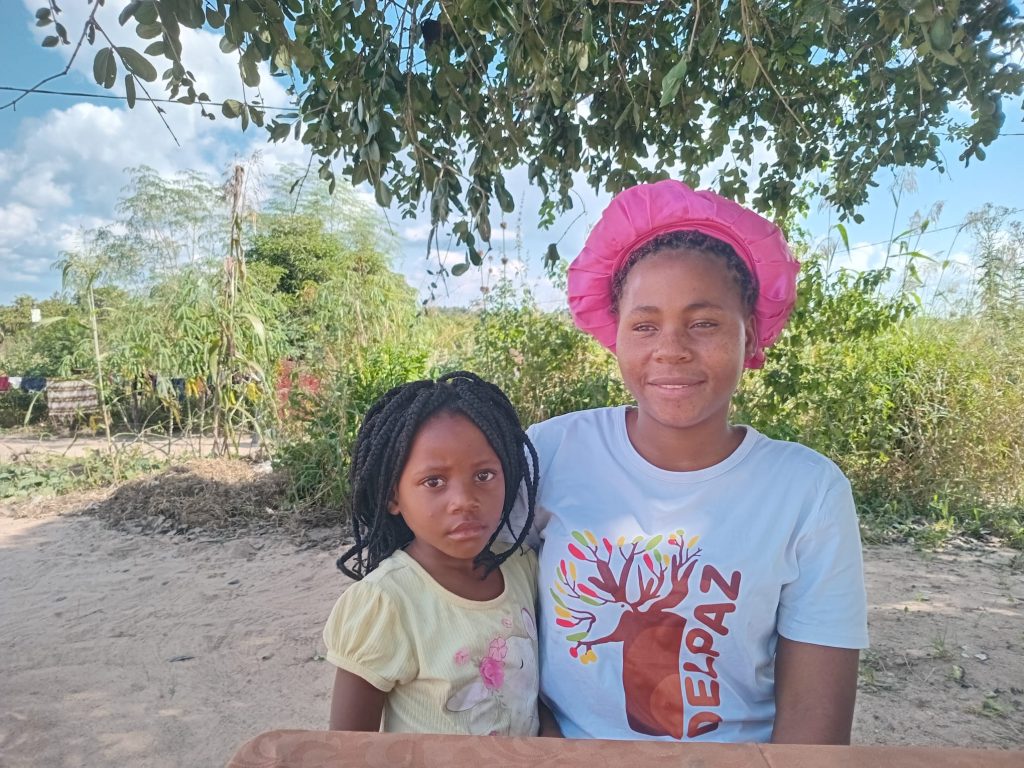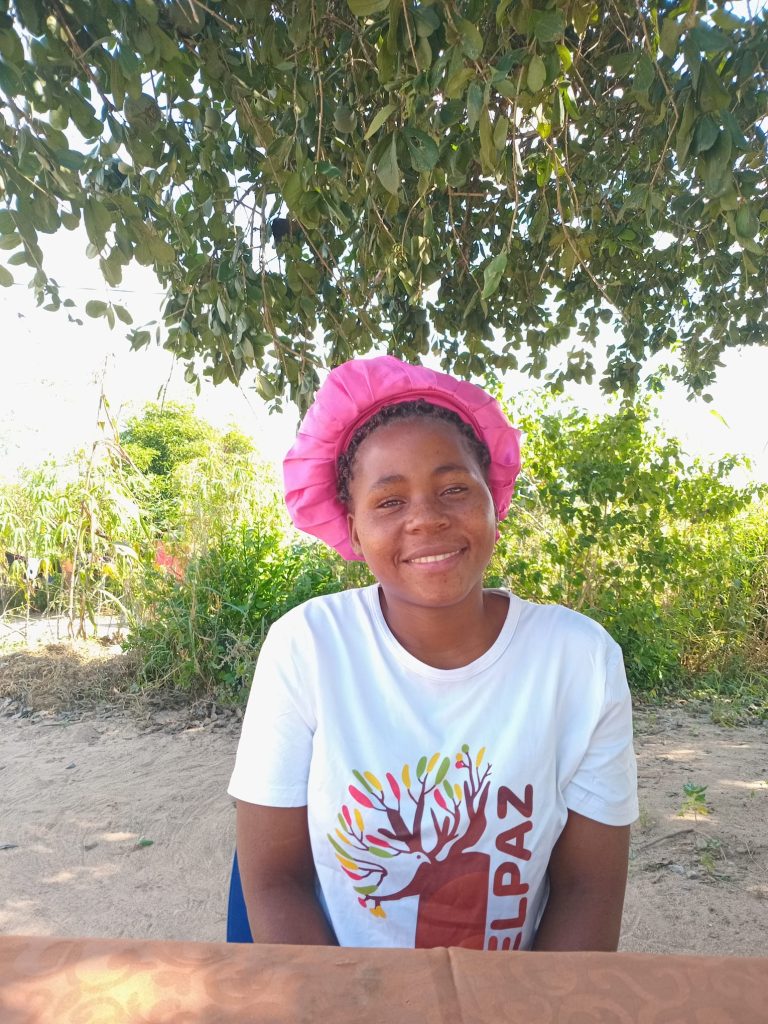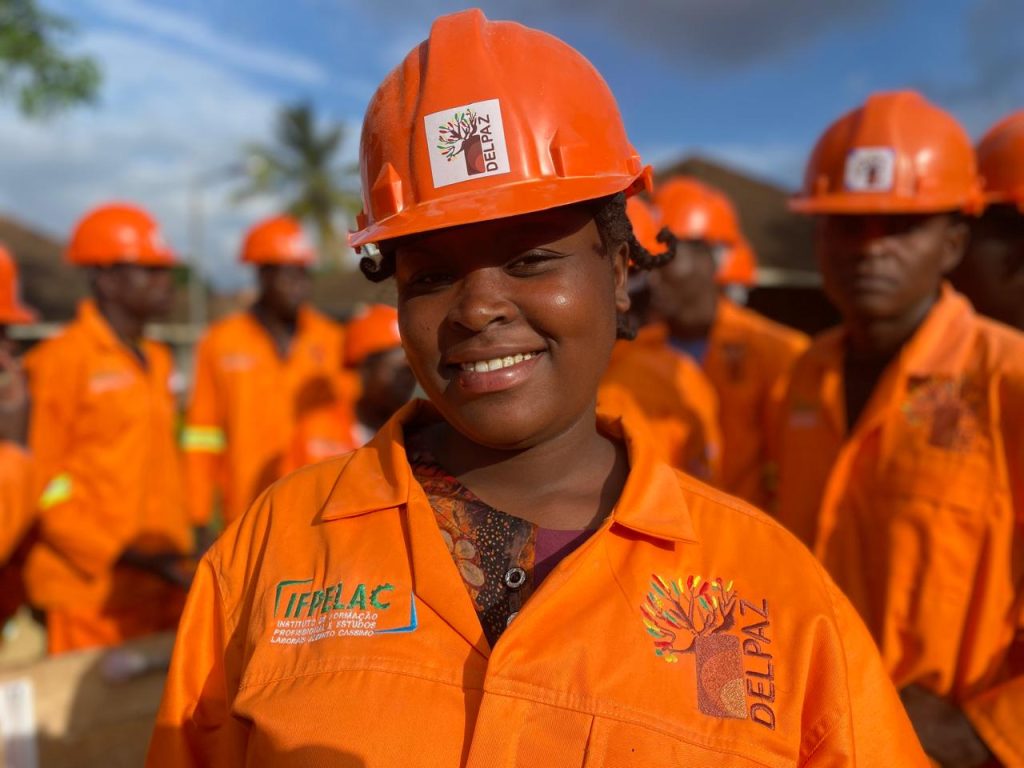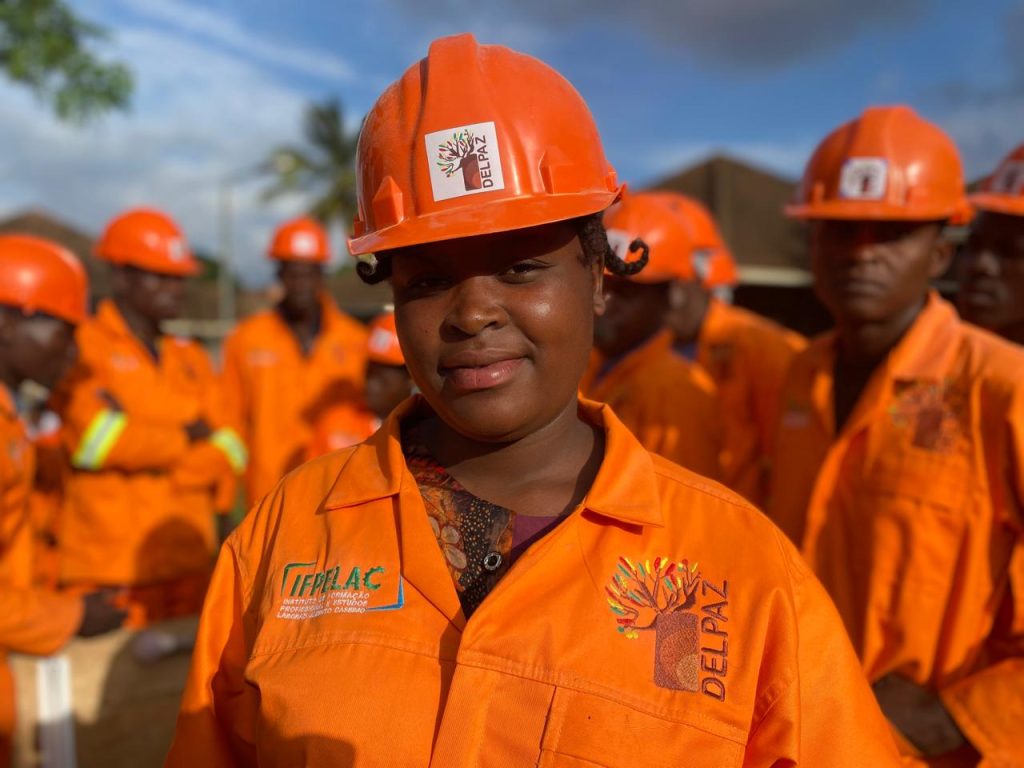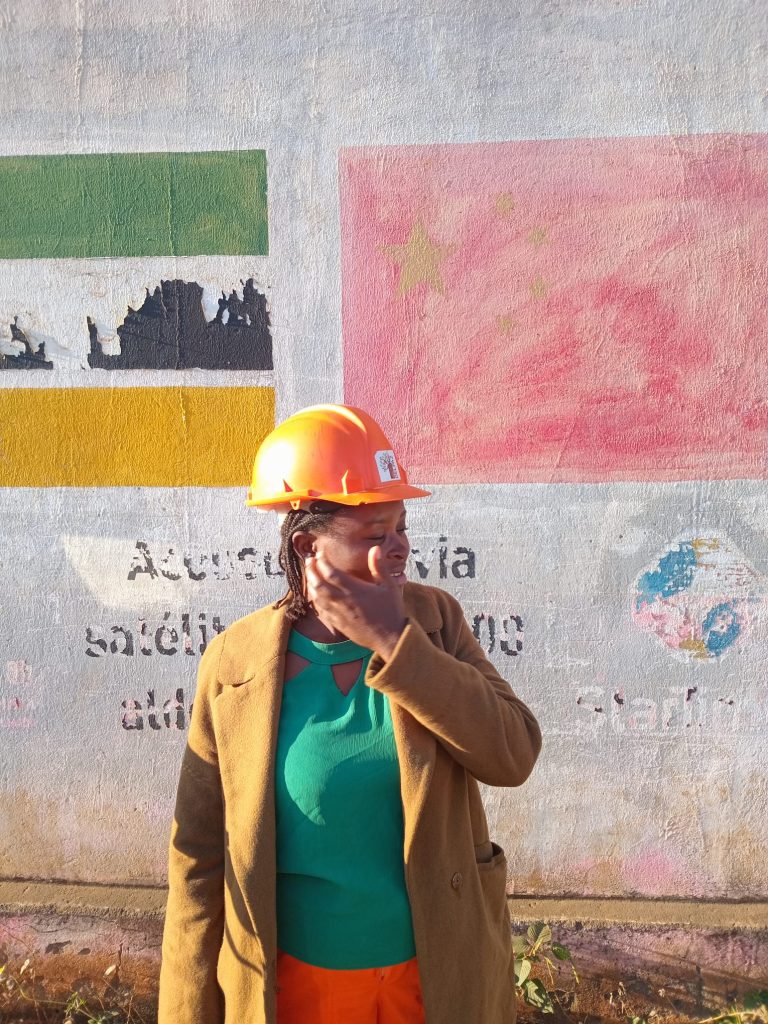
Eneida, the young electrician who wants to transform her quiet village with smart lighting

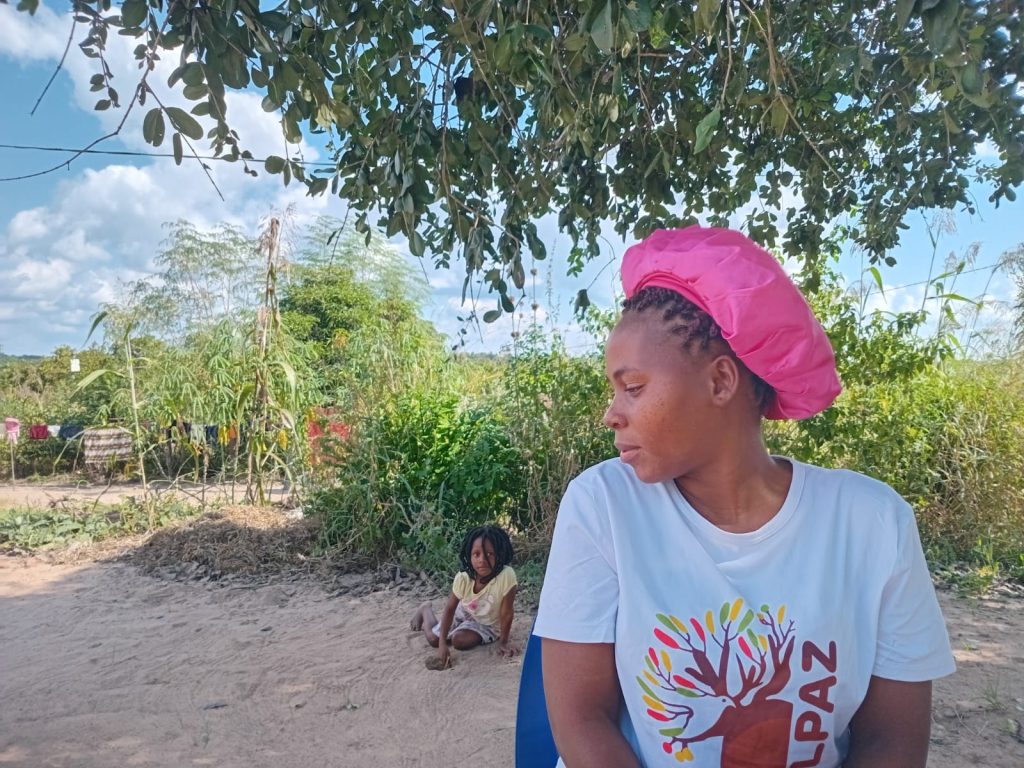
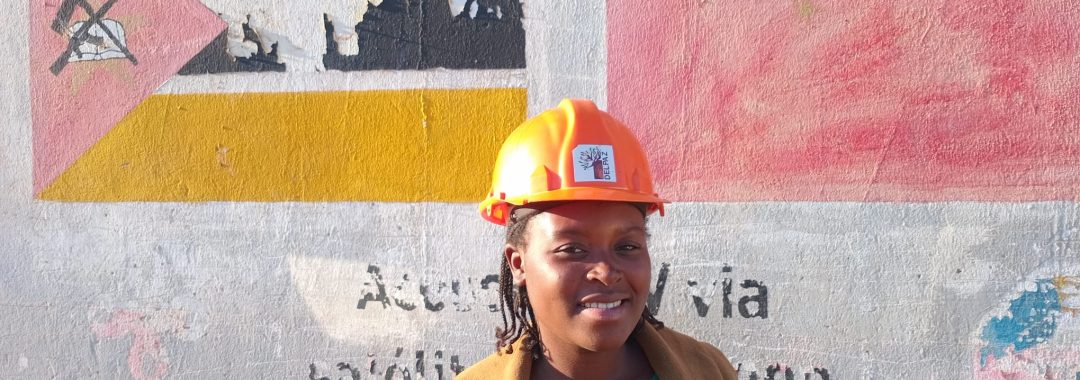
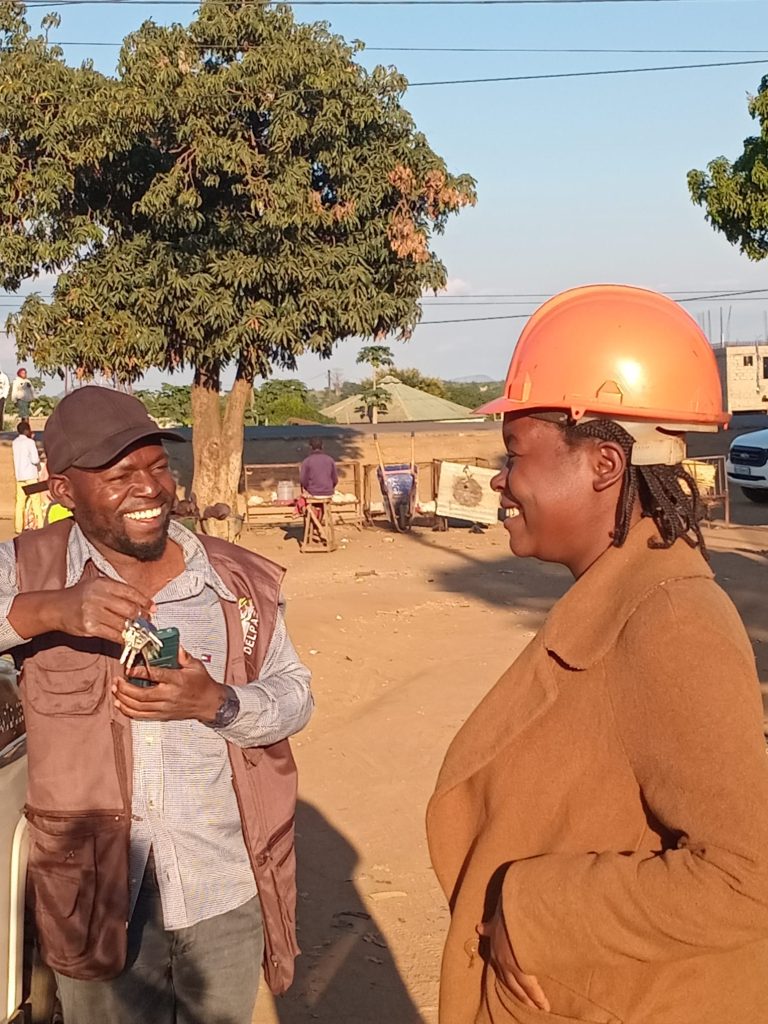
Driven by her love of electricity, Eneida Piedade Domingos, 24, was inspired to transform her quiet village in the interior of the Guro district with smart lighting, after having benefited from the electrical installation course promoted within the DELPAZ programme.

The daughter of a former Renamo guerrilla fighter, she says that the armed conflict in her district has slowed development, but also the form of lighting, which is not in tune with the harmony of light compared to developed cities in the country and the world.

‘This was the opportunity I found to take a course,’ she says, emphasising that this gave her the knowledge she needed to realise her dream of seeing her village use technology to light its houses and streets. Eneida points out that although this technique is already applied in other parts of the world, it is still little used in her district.

‘The example of using photocells in houses makes it possible to flip the switch at a certain time and light up a room without the need for human presence,’ as well as the use of app-controlled smart bulbs to save energy consumption in homes, he explains enthusiastically.

She emphasised that ‘the course helped me to come up with ideas for changes in my district, such as the use of objects that many people already use’ in advanced cities.

Eneida finished compulsory schooling without having had the opportunity for vocational training, especially in the field of electricity, her passion since childhood, and sees this opportunity as a window of change for her social life as well.

‘I am a woman and I was able to take the electricity course; therefore, I encourage other women to take this type of training and find a job,’ to achieve economic independence and “not just wait for men to work”.

She insists that women should be able to support the family on their own and ‘not just wait for the man, wait for money from someone, so having an education is important to be able to support one’s family,’ she notes, thanking DELPAZ for its efforts in providing training opportunities for young people.

‘I am very happy that the DELPAZ programme has given us this opportunity to study, I am really grateful, because even though not all the young people in my district were able to take the course, I will reach out to other young people to teach and together transform our district,’ says Eneida Piedade Domingos.

A total of 100 young people has already benefited from vocational training in carpentry, metallurgy, construction, mechanics and tailoring in the five districts where DELPAZ is implemented in the province of Manica.

The DELPAZ programme pays special attention to creating opportunities for young people, women, ex-combatants and their families.

In all five districts of Manica Province, thousands of people have already benefited from DELPAZ, which is implementing projects in the areas of agriculture, infrastructure and entrepreneurship to ensure the economic and social reintegration of all ex-combatants, their families and rural communities affected by the conflict, in order to achieve lasting peace in Mozambique.

The Mozambican government’s programme is funded by the European Union, and together with UNCDF is implemented by the Italian Agency for Development Cooperation (AICS), which implements DELPAZ in the provinces of Manica and Tete, and by the Austrian Development Agency (ADA) in Sofala.

Evelina, Afonso Dhlakama’s former cook who used certified seeds for the first time

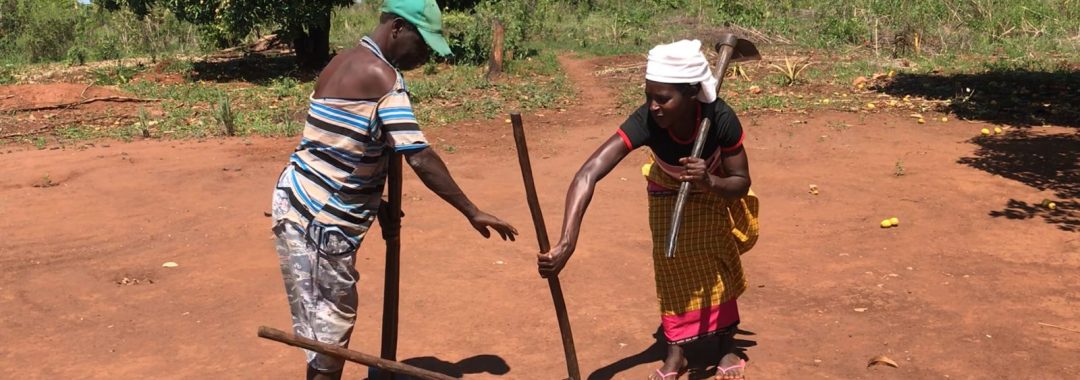
By family tradition, Evelina Zacarias had stored some of the maize kernels from her harvest in the barn to use them as seed for the next farming season in 2023, but climate change, which has caused drought in her village, has called this practice into question.

“We always kept the kernels that looked healthier. It’s a tradition that goes back to my grandparents, but as the rainy season waned, the seeds sprouted and withered immediately due to the sun at this stage, and so we lost most of the production, with one ear or the other surviving” in the field, which was then harvested and stored for planting, she explains.

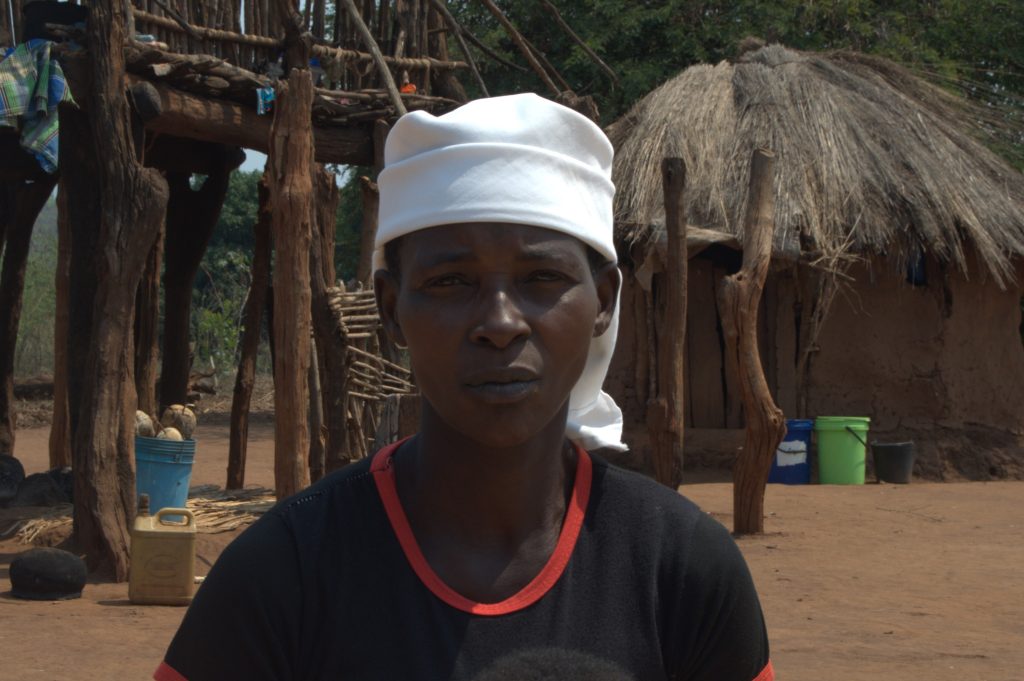
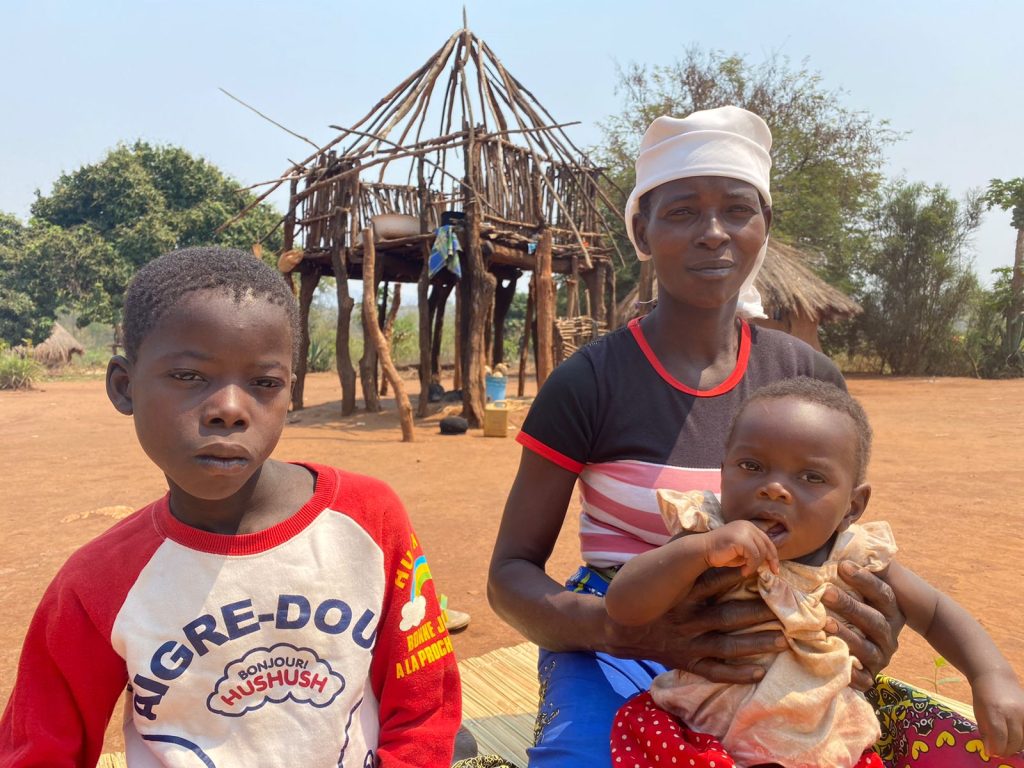
The former guerrilla of the Mozambican National Resistance (Renamo) was reintegrated after her recent demobilisation in the village of Zivale, a locality in the interior of Muda Serração, in the district of Gondola, in the province of Manica, where, in addition to her family, she cultivates to support herself.

She joined a farmers’ association as part of the disarmament, demobilisation and social reintegration (DDR) process and received certified seed for the first time thanks to a DELPAZ support line.

“We received the certified seeds and I planted them in the field for the first time. Wary, I set aside a plot where I sowed traditional seeds, but everything that sprouted died because of the sun. All the food I have today comes from certified seed,” she explained.

“The certified seeds have greatly improved my income from field production. I had no idea that the drought was caused by climate change and that we had to react with new farming techniques and improved seeds that DELPAZ technicians are teaching us,” she remarks, as she rearranges the bundles of hay that will cover a new barn.

Evelina Zacarias, 50, reintegrated in Zivale, fought for the Mozambican National Resistance (Renamo) guerrillas for 18 years, serving as a carer for the historical leader’s children and then as Afonso Dhlakama’s cook, and has been demobilised twice, most recently in June 2020.

Evelina was recruited into guerrilla warfare at the age of seven in 1981, during the 16-year civil war, and was demobilised a first time in 1994 by the UN peacekeeping mission in Mozambique (Onumoz). After 18 years of civilian life, she rejoined the guerrillas to ‘fight for democracy’ in 2012, when Afonso Dhlakama summoned and regrouped former guerrillas in the Gorongosa mountain range in Sofala.

“I was recruited with my father in Mpunga and from there with General Ossufo (Momade) we left for Gorongosa, then for a base in Maringue and then for Massala,” a journey that took months on foot, the woman recounts, pointing out that it was in Massala that she was first demobilised.

Now the mother of eight children, all born during the intervals of the conflicts, she initially received military training for combat but was then assigned to look after the children of President Afonso Dhlakama, who later also served as cook.

“There were houses where the leader’s wives and children were and we looked after them. We washed their clothes in the rivers and cooked for them until the end of the war. President Dhlakama always came there where the wives and children were and assured us that one day the war would end, and this went on until we were demobilised for the first time in 1992,” she says with an enviable energy in her gestures.

The former guerrilla recalls that on her first demobilisation she returned to her home village of Búzi with a machete, an axe, a hoe and a bank cheque, which she never cashed because it burnt down in the hut where she lived during a fire.

She was demobilised again as part of the Demobilisation, Disarmament and Reintegration (DDR) process – which stems from the peace agreement signed in 2019 – and is now devoting her life to her family and farming.

“We are learning to overcome the drought with new production methods and this will improve our income, so we can take care of our family,” says Evelina, her usual discreet smile highlighting the dark features that cross her face.

She hopes to one day mechanise farming and abandon the hoe he uses to cultivate his two hectares of land, dedicated exclusively to growing maize and sesame.

The ex-guerrillas are among the thousands of beneficiaries of the DELPAZ Programme, which ensures the economic and social reintegration of all ex-combatants, their families and rural communities affected by the conflict, in order to achieve lasting peace in Mozambique.


Between wires and challenges: Eneida continues to dream

Eneida Domingos, 21, has always believed that her future could be different. Determined, curious and hardworking, she was selected to attend the Electrical Installation course at IFPELAC, as part of training promoted by DELPAZ, in coordination with local district authorities responsible for mobilising and selecting participants — a choice that would go on to transform her life.

Daughter of a former Renamo guerrilla fighter, Eneida grew up in a context marked by the impact of armed conflict in her district, which delayed not only local development but also access to modern technologies, including more efficient and harmonious lighting systems, such as those seen in more developed cities in Mozambique and around the world.

From the very beginning of her training, she stood out for her dedication. While many classmates used the breaks to rest, Eneida would remain in the classroom, focused on wires, circuits and connections that fascinated her so much. “I really liked it,” she recalls. “Electricity fascinated me and I felt it could be a great opportunity for me.”

In a previous interview while she was still attending the course, she had said that this was the opportunity she had found to train, allowing her to gain knowledge to achieve her dream: to see her village using modern technologies for lighting homes and streets, with solutions such as photocells — which automatically switch lighting on — or smart lamps controlled by applications, still little used in her region, although already common elsewhere.

“The training helped me to come up with ideas to bring changes to my district, introducing solutions that many people already use in more developed cities,” she said enthusiastically.

After completing the course, she returned to Guro carrying not only technical knowledge but also a sense of purpose. Shortly afterwards, she secured a 45-day internship at Electricidade de Moçambique (EDM), where she further developed her skills. “I learned much more than just electrical installations. It was a huge opportunity for growth, but unfortunately EDM is not hiring new staff.”

However, returning to reality brought challenges. In a context still marked by prejudice, Eneida faced skeptical looks and doubts about a woman’s ability in a profession traditionally dominated by men. “A female electrician is still seen in a negative light,” she says. “But it is not true that we cannot do the work. We are just as capable as men.”

In a world where sexism still limits opportunities, pursuing a dream requires more than talent — it requires courage. And Eneida demonstrates this every day.

Gradually, opportunities began to emerge. “I have already done some installations in homes,” she explains. “They are still few, and I cannot yet support myself.” For each simple electric installation earns around 600 meticais, an amount still insufficient to achieve financial stability, especially in a context of strong competition in the village.

Even so, Eneida does not give up. She continues to believe that dreams are possible, even when the path is more difficult for a woman. “I would like to open a women’s electrical installation company. That is still my dream.”

Over the past year, she has completed more than ten installations and is slowly beginning to gain recognition. Looking to the future, she is considering moving to Mungari, where there is less competition and greater demand for electrical services. “I am still thinking about it. There is already electricity in Mungari but no electricians. I need to save some money to support myself in the first few months. I have some friends there who can help me, at least at the beginning.”

Eneida’s story is an example of perseverance in a world that does not always make the path easy for women. It is proof that, despite obstacles, dreams remain alive — and that with courage and determination, it is possible to light the future, step by step, wire by wire.


In the fields of Sanga, between tradition and innovation

In Sanga, once a lively neighbourhood in the Guro district, there are now only a few houses. Over the years, most of its inhabitants have moved closer to the village in search of better living conditions — electricity, water, and other amenities. This new area has been officially named Sanga 2, although locals call it Medzachumbo. But not everyone left.
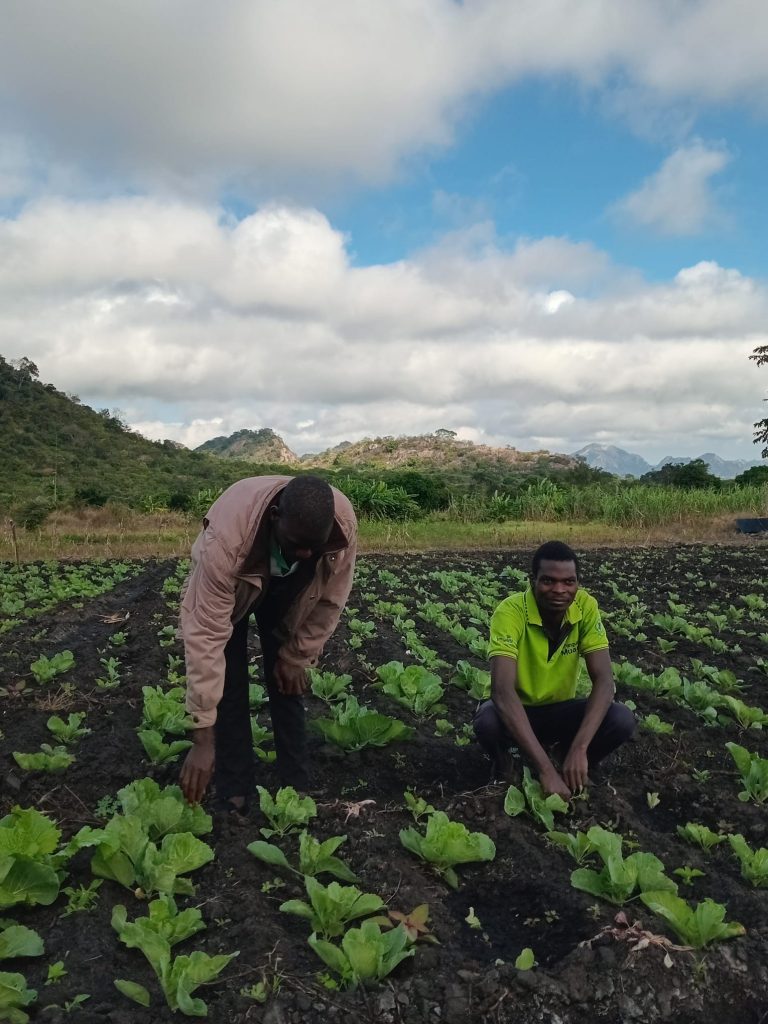
Among those who remained is Mr Feniasse Pita, chairman of the Sinembo Association — “Not me” — an organisation dedicated to supporting orphans and the elderly. Together with his family, he has continued to cultivate the land that has long sustained generations. His machamba (farm), vast and fertile, is a true mosaic of life: fresh vegetables, maize, and fruit trees bearing guavas, lemons, oranges and tangerines. In the bushland at the foot of the mountain, he also keeps improved beehives that produce high-quality honey.

It is in this environment that Tendai Pita, his son, now 31, grew up. From an early age, he learned the basics of farming by observing his father and working the land. However, Tendai aspired to go further. He attended the Manica Polytechnic Higher Institute and, in 2024, was selected for a training course at the Chimoio Agricultural Institute (IAC), promoted under the DELPAZ programme, in coordination with local authorities and institutions, as part of support for training and strengthening of initiatives such as the Sinembo association.

For Tendai, the training was more than a refresher — it was a revelation. “I already knew much of what the instructors explained, but I still learned many new things,” he says with conviction. Alongside his colleague Edson Lenate, 28, and five other young people, he began applying this knowledge on a machamba of nearly half a hectare, provided by his father.

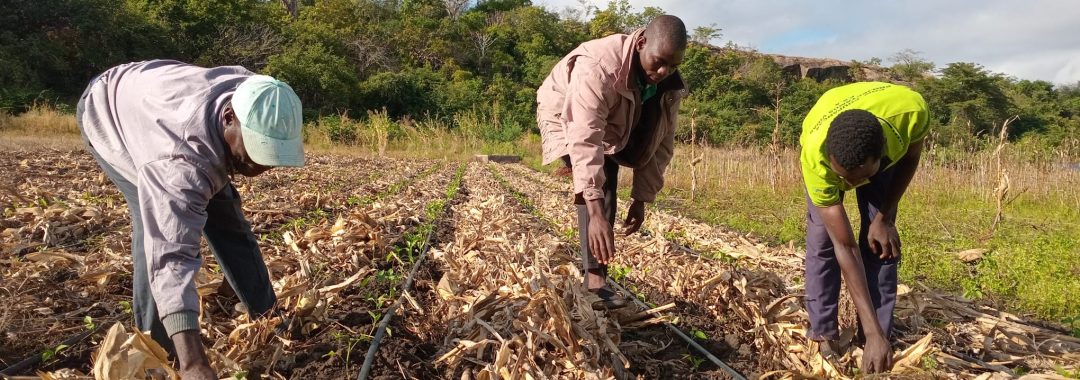
The field is covered with lettuce and other vegetables. Using seeds received in the DELPAZ kit, they planted their first crop, sold it, and reinvested the proceeds. “This will be our second harvest, and we hope to earn enough to start making some profit,” Tendai says, hope in his eyes.

Among the techniques that most impressed them is the production of biopesticides. Using simple ingredients such as chilli, soap, and castor leaves, they learned to protect crops from pests in a more sustainable way. “The soap helps the mixture stick and traps the pests,” they explain. However, when infestations are severe, they still resort to insecticides — but with caution and daily monitoring.

Another innovation was the use of mulching, a technique that helps retain soil moisture — something they had never tried before.
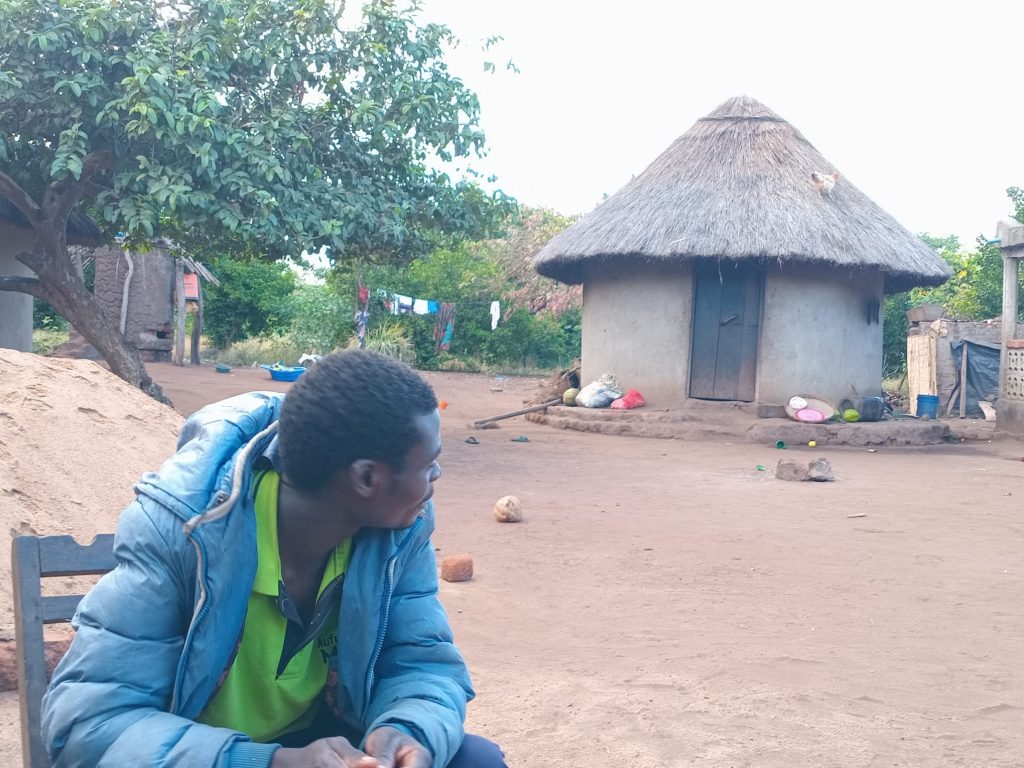
The collective kit also included essential tools: hoes, machetes, watering cans, and a motor pump. Despite fuel shortages, they found a creative solution. “We use the motor pump with Dad’s solar energy,” says Tendai proudly.

Their produce is sold at Guro market or directly at the machamba, where customers come to buy. Edson, meanwhile, highlights another important lesson: maize storage. “Before, we stored the whole cob. At the IAC we learned to shell it and store only the grains, which improves preservation.”

For these young people, the course has been a real asset. The results are already visible in the land they cultivate and in the enthusiasm with which they speak about the future. And behind it all, among the mountains surrounding the machamba, remains the watchful, experienced gaze of Mr Feniasse — a silent guide who continues to sow knowledge and hope.
 

João and Ana: the Light of Nhamassonge

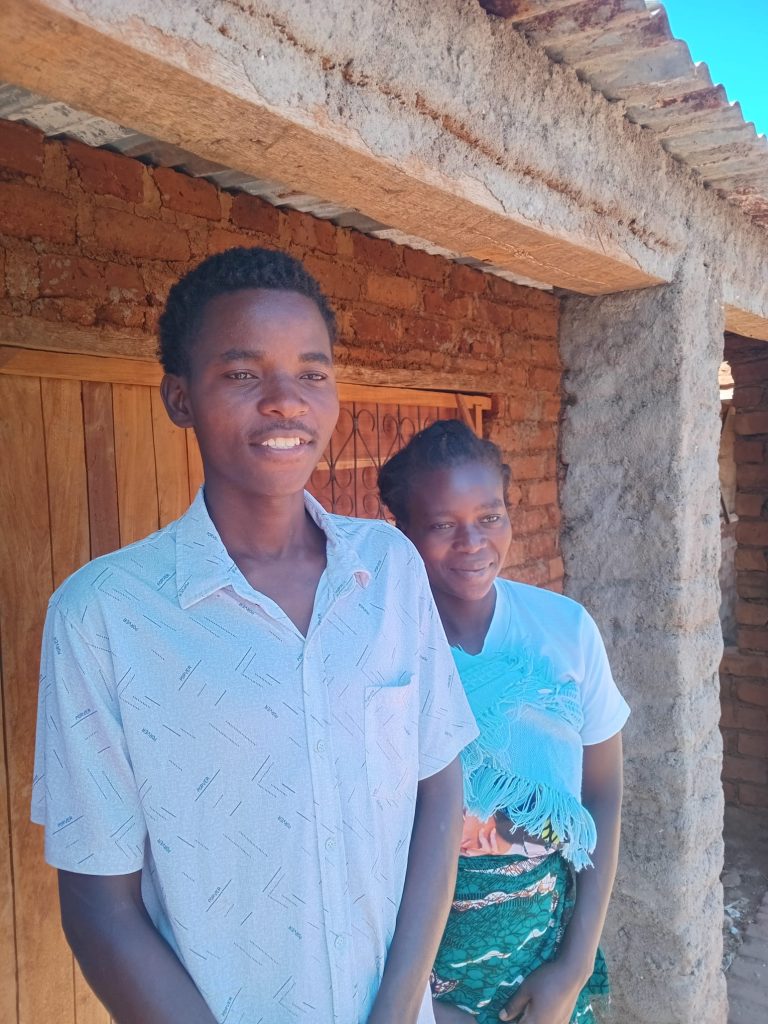
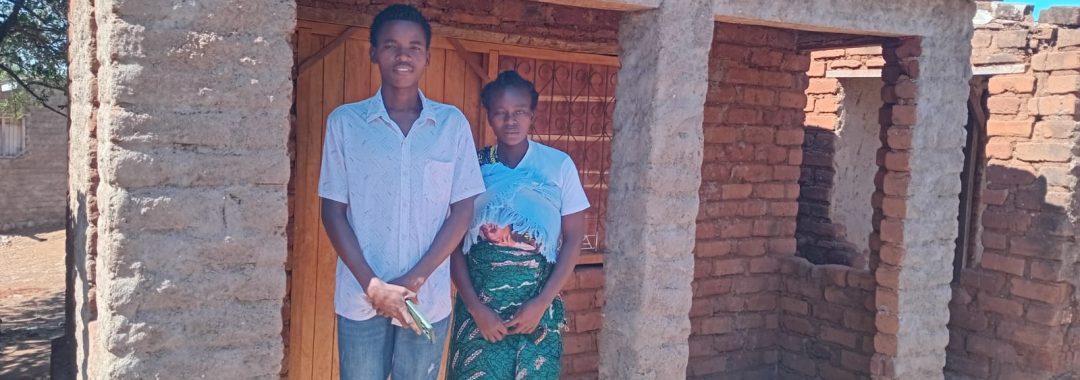
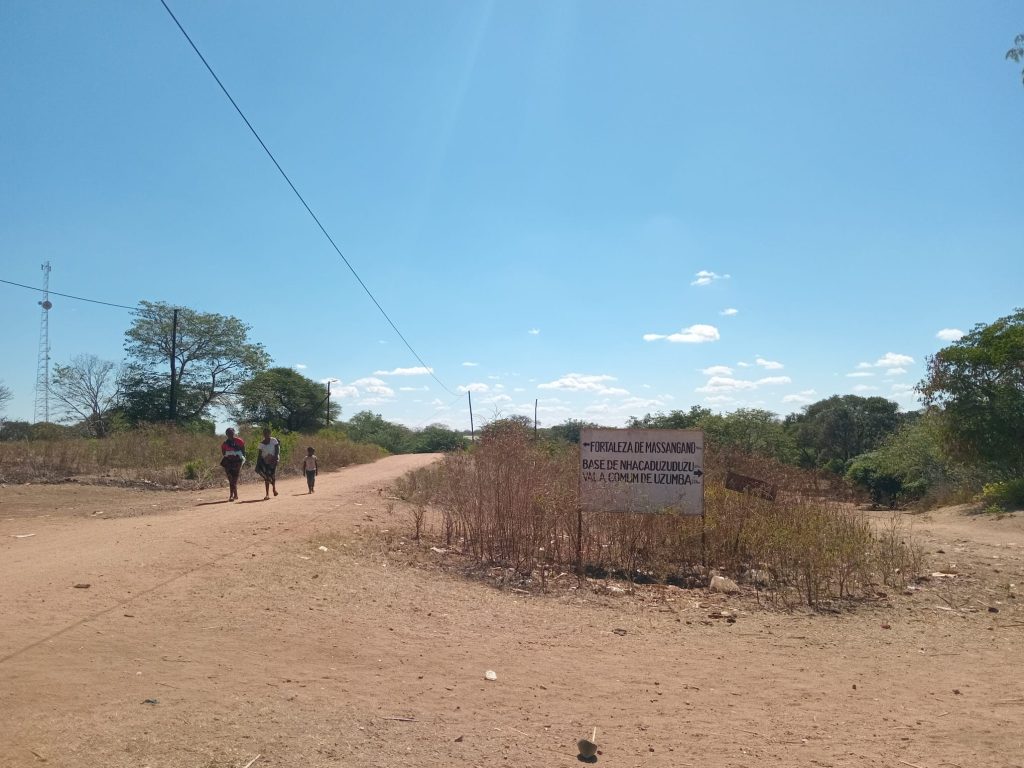
In the heart of Nhamassonge, where the main road runs steadily towards the historic Fortress of Massangano, a dream is taking shape for two young electricians: João and Ana. At the far end of the market stalls stands a small kiosk, still lacking all the necessary materials, yet already full of purpose. It is there that 24-year-old João Augusto Toeza is beginning to shape his future.

João has clear ideas — as clear as light itself — which perhaps explains his choice of the electrical sector. After completing a course in installation electrical work at IFPELAC in the city of Chimoio, delivered under the DELPAZ programme in coordination with district authorities to strengthen vocational training and local development, he returned with a new outlook. He came back not only with enhanced technical skills, but also with a broader vision of his future and the contribution he can make to his community.

He did not return alone. By his side is 24-year-old Ana Assane Saíss, also a fellow trainee and now his business partner. Together, they dream big, even though resources are still scarce. The kiosk has already been built, aligned with the others in the market. All that is missing is the sign that will announce to the world: “Light of Nhamassonge – electrical installations and supplies”.

But not everything is straightforward. In Nhamassonge, electrical materials are not available locally. Every wire, every switch, every light bulb has to come from Guro. “It is a problem,” João says, with the calm of someone who has already learned not to give up in the face of difficulties. Money is also in short supply, and every metical counts. Even so, they move forward step by step.

While the business has yet to fully take shape, João and Ana continue working. They carry out installations in the surrounding area — simple but essential services. For 500 meticais, they bring light to homes, while clients provide the materials. It is little, but it is a start.

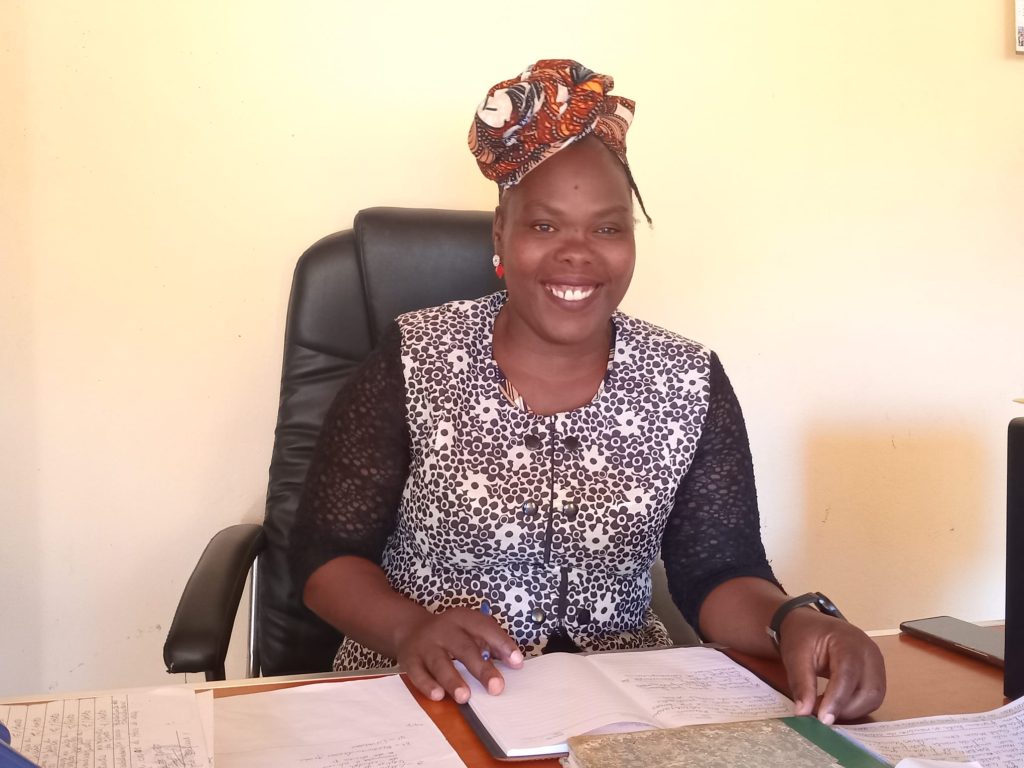
The community already recognises the value of the young electrician. The administrative post chief, Marta João Dafrene, does not hide her satisfaction: before, any fault meant waiting for someone to come from Guro. Now João sorts it out. And he does it well.

Although brief, the training course brought more than technical knowledge. For many young people in Nhamassonge, it was the first time they had left their home area — their first coach journey to Chimoio. An experience that broadened horizons and showed that the world is larger — and full of possibilities.

And there, between dreams and challenges, is also little Eduarda, sleeping peacefully on her mother’s back, protected by a capulana. Perhaps without knowing it, she is already part of this story of courage and building.

João smiles when he talks about the future. “When everything is ready, with the materials and the sign in place, we will send a photograph.” It is not just a promise — it is a certainty.


Forging the future

In the village of Catandica, in Báruè district, life has never been easy for Izaquel Mário. At just 18 years old and having studied up to the eighth grade, the future seemed uncertain and full of limited opportunities. In a place where employment is scarce, many young people end up losing hope far too early.

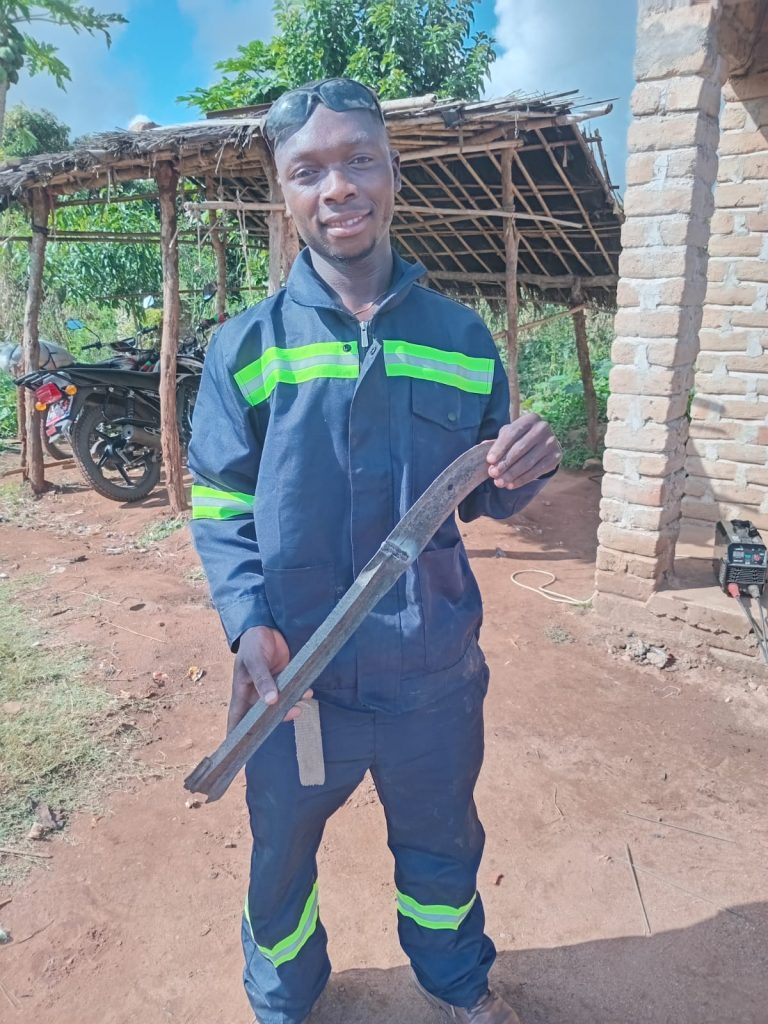
Izaquel’s life began to change when he was selected to take part in a training course promoted under the DELPAZ programme, in cooperation with district authorities, within the framework of local economic development. The son of a former RENAMO combatant saw at this opportunity a door opening to a new path. He travelled to Chimoio with other young people and chose to study metalwork at IFPELAC.

It was two intense weeks, full of learning. Although short, it gave him the foundations of a profession and, above all, the possibility of believing in a different future. Izaquel is shy and does not speak Portuguese well, but when he expresses himself in his local language, he speaks with confidence — and it is there that his determination becomes clear.

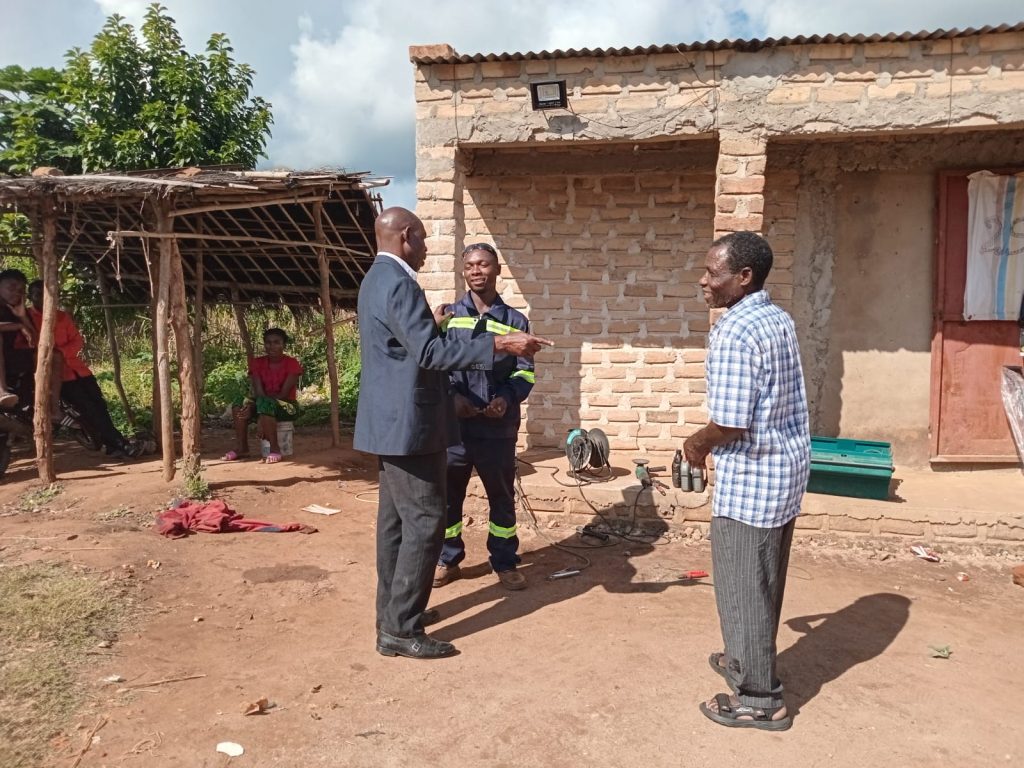
Always by his side is his father, Mário Amadeu, a man of clear ideas and great sense of responsibility. With twelve children, he knows well the value of opportunity. “We must help our young people find a path,” he says. “Without work, what can they do? If we do not give them opportunities, they risk going down the wrong paths.” Mário Amadeu is one of the DDR participants under the 2019 Maputo Agreement. He had already been demobilised in 1994, after the signing of the 1992 General Peace Agreement, having joined the struggle in 1982 in Sofala province. Today he only wants peace.

After the training and receiving the work kit, the father realised it would not be easy for Izaquel to start on his own. Two weeks were not enough to master the trade. He therefore decided to seek help from a master metalworker to begin the activity.

He recruited Alberto Linosse Macolone, who learned the trade of metalwork in Zimbabwe but had never had the opportunity to work upon returning. When he received the proposal, he accepted immediately.

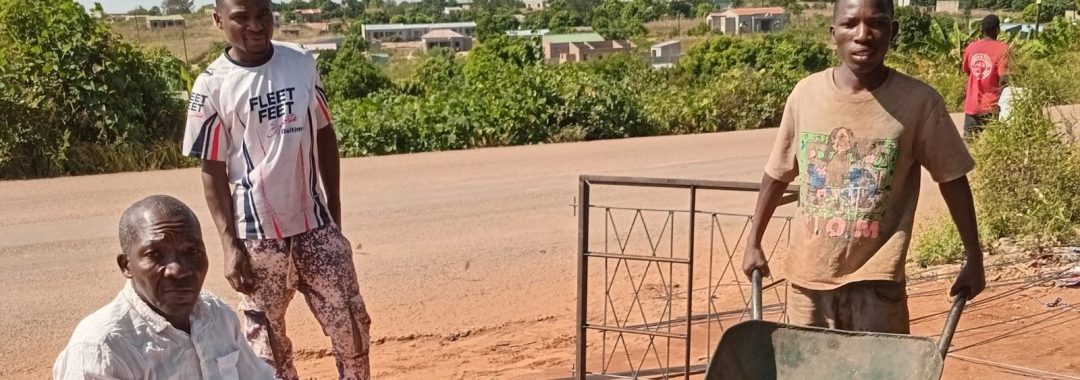
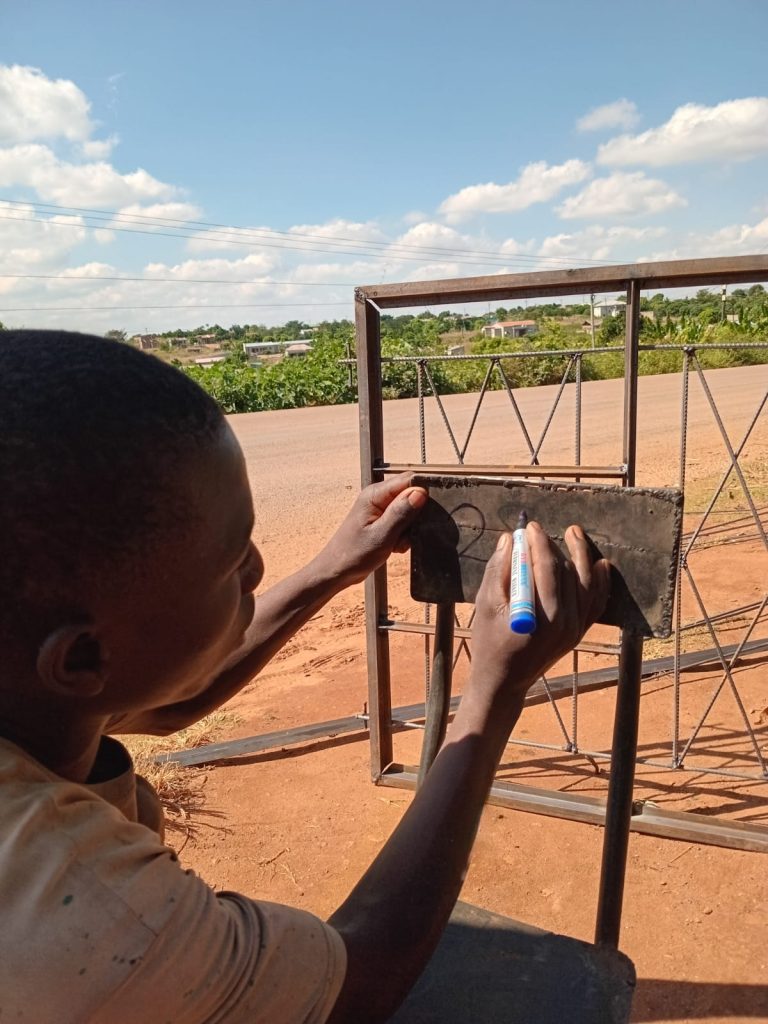
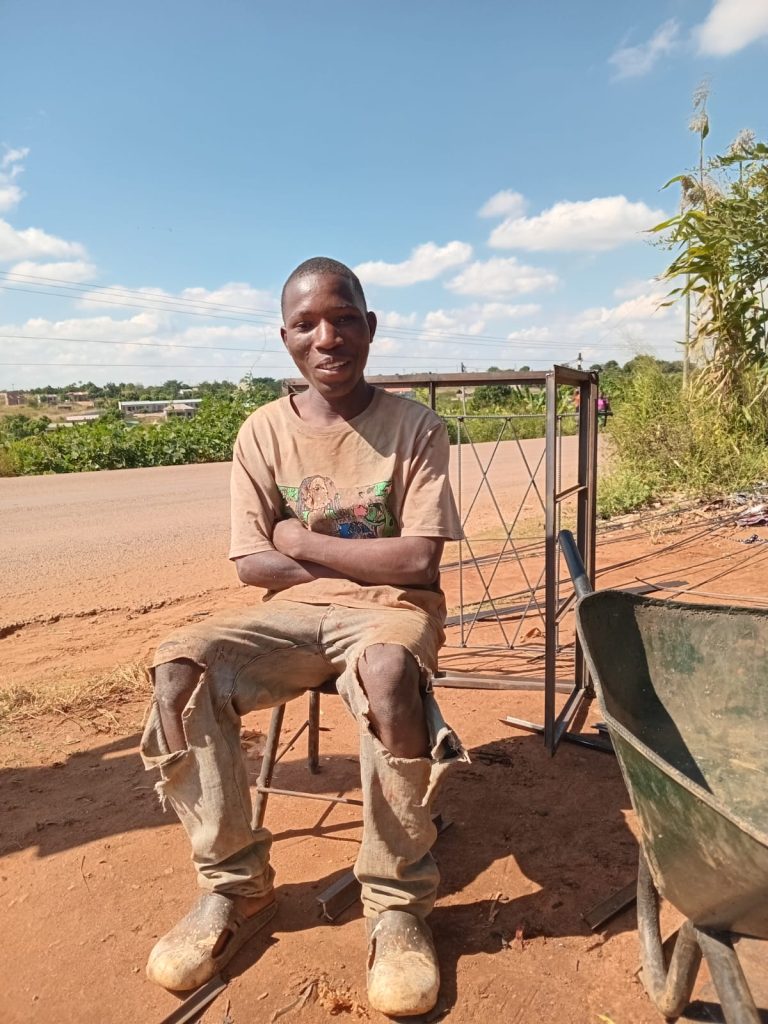
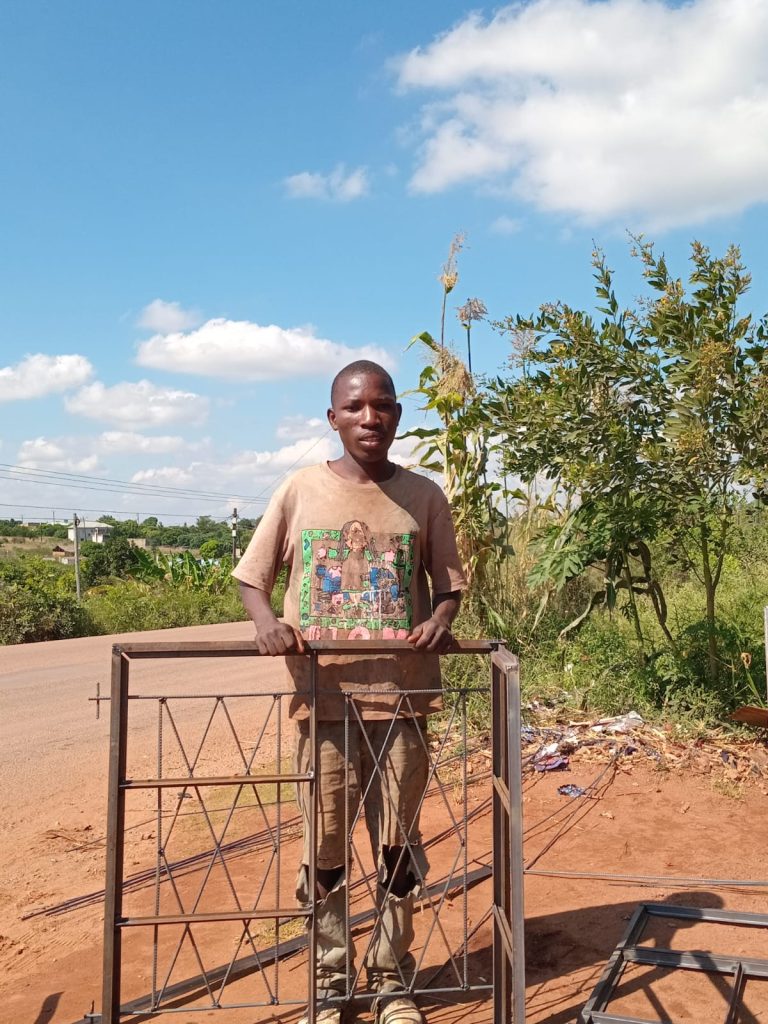
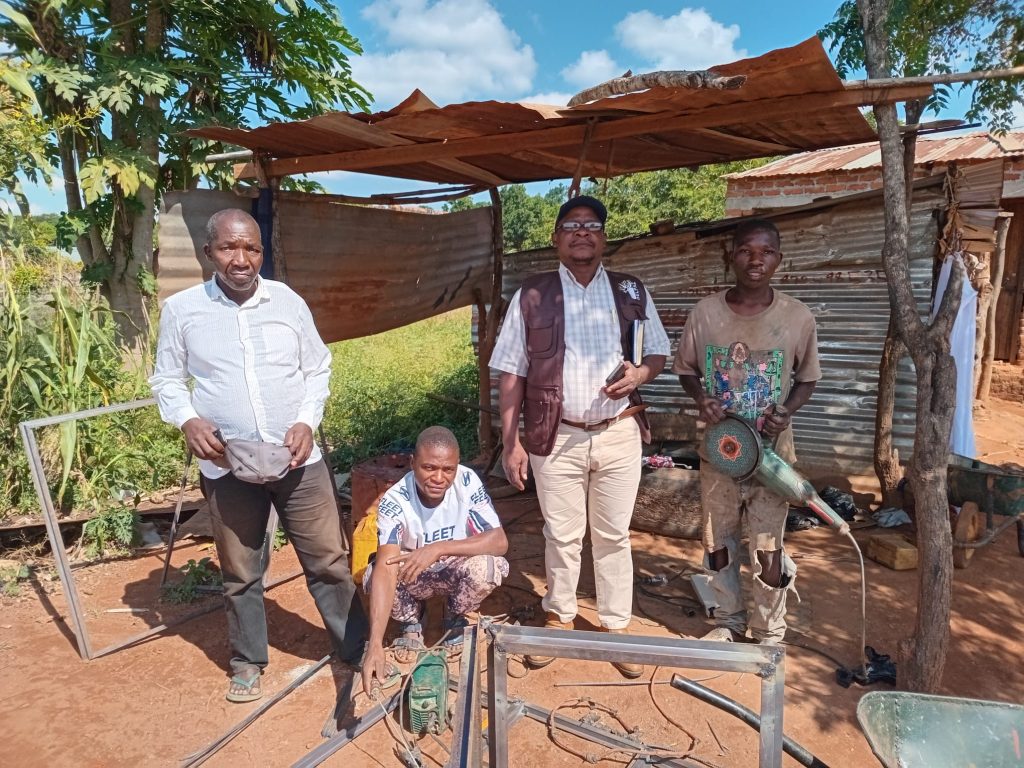
Today, Izaquel and Alberto, under the supervision of father Mário, work in a small workshop located at the entrance to Catandica, along the N6. The space was provided free of charge by a local trader, which is a great help. Through effort, they began producing iron chairs, wheelbarrows and window grilles.

Income: a chair is sold for 250 meticais, a wheelbarrow for 2,500, and the grilles bring in around 500 meticais for labour. It is not much, but it is enough to secure the essentials.

More importantly, it is the beginning of a new story. Amid the sound of iron being shaped and daily work, Izaquel is not just learning a trade — he is building his future. And his father Mário can dedicate himself to his small farm, always keeping an eye on the roadside workshop.


The First Metalworker of Pindanganga

Lucas Daniel is 22 years old and has never left Pindanganga, a small village in the district of Gondola. It was there that he grew up, among red earth, mango trees, sugar cane, maize fields and sorghum. He studied up to 10 class and, after that, he began to help his parents with their small crop.

For a long time, his future seemed already mapped out: working the land, just like his father. However, in 2024, an opportunity arose that would change the course of his life. Lucas was selected, along with twenty other young people from the district, to attend a training course at IFPELAC in Chimoio, promoted under the DELPAZ programme, in cooperation with district authorities, as part of local economic development.

It lasted only two weeks, but they were intense — enough to open up new horizons for him and awaken fresh perspectives about his future.

There was no metalworker in his village. Any problem involving metal parts meant people had to travel dozens of kilometres. Lucas saw this gap as an opportunity. Without hesitation, he chose the metalworking course.

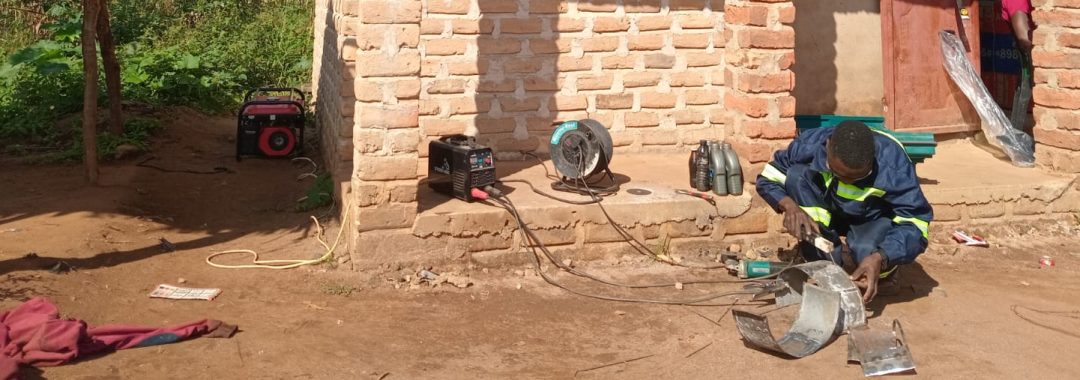
After the training, he returned to Pindanganga with a clear idea: to start immediately. In August 2025, with the kit he had received and a great deal of determination, he set up a small, improvised workshop at the entrance of a shop run by a woman who sells a bit of everything, at the end of the village’s main road. For now, he pays no rent. He bought a small 220-watt generator, paid for instalments, and began his activity.

Every day, from Monday to Friday, from seven in the morning until sunset, Lucas is there. He welds, repairs, fixes. He does what no one in the village could do before.

On the day we met him, he was working on a motorbike. A 10 meticais coin had caused a hole in a metal part. Lucas sourced small pieces of sheet metal, carefully adapted them, and, with his welding machine, brought the damaged part back to life. The customer paid 230 meticais — a service that, without him, would have required a long journey. Lucas earns a profit of around 2,000 meticais per week. He does not yet have a bank account and usually deposits his money via E-mola.

At weekends, Lucas dedicates himself to the church, his training, and helping his father in the fields. But his mind is still full of plans.

His dream is clear: to acquire a more powerful generator and a stronger welding machine — the one he currently uses is weak, overheats easily, and forces him to stop working frequently. More than that, he wants to build a proper workshop, his own space where he can work and, perhaps one day, train other young people.

He has already even chosen a name: “Majdimba Workshop”, in honour of his father.

The project is ambitious, but concrete: between land, building materials and a new generator, he estimates a total cost of around 50,000 meticais.

His father, Majdimba — whose real name is Daniel Maparadji — follows everything with pride. A former Renamo combatant, originally from Buzi district in Sofala province, he lived through the difficult years of the civil war. Demobilised in 1992 and again in 2021, after the 2019 Maputo Agreement, he now sees in his son’s journey a sign of hope and renewal.

Where he once experienced war, Lucas is building the future — piece by piece.


Adinha’s Smile

In the village of Muda Serração, where the sound of machinery has not echoed for many years and time seems to move at the pace of the land, lives Adinha Pita, a 26-year-old woman with a smile that insists on shining, even when life feels heavy.

Muda Serração takes its name from an old sawmill, the oldest in Manica Province, now silent. Here, women work the land, take care of the children and the home, while the men, for the most part, leave for the mines of South Africa.

Adinha once had her dreams built for two as well. But life sometimes chooses difficult paths. Serious problems in her marriage forced her to return to her parents’ home, bringing with her what matters most: her daughter Betty, aged 6, and little António, just 4 months old.

The children’s father remained behind — and with him, responsibility that never came in the form of support. But Adinha does not speak of this with bitterness. She speaks of the future.

While António smiles in the capulana that wraps him on his mother’s back, she imagines the day when she will be able to start again. She is simply waiting for the baby to grow a little more, to reach six months, so she can go in search of work — or, even better, create her own path.

Adinha took a decisive step when she attended a cookery course at IFPELAC in Chimoio, promoted under the DELPAZ programme, in cooperation with district authorities, within the framework of local economic development. She was selected from among other candidates and, from the outset, stood out for her dedication and willingness to learn. Throughout the training, she refined her skills, gained confidence, and began to imagine new possibilities for her future.

In the end, she received more than a certificate: she received tools to dream with. An electric kettle, a mixer, a table, a chair and an electric cake oven — small items that, in the right hands, become tangible bridges towards a different future.

“Here it is not easy to sell cakes,” she says. “People are not very used to celebrations. This is a rural area.”

Cake prices range from 650 to 1000 meticais depending on size.

Even so, there are special days. 1 June, for example, when Children’s Day is celebrated. In such moments, someone remembers Adinha. And she responds with dedication, turning flour, eggs and sugar into decorated cakes that bring joy to the celebration.

And Adinha dreams beyond cakes.

She imagines a small roadside stall — Muda Serração lies between Muxúnguè and Inchope — a place where travellers can stop and find hot food: rice, curry, samosas. A small stand where she could sell ready-made meals and earn enough for herself and her children.

“There are no stalls like that here,” she says. “It would be a good opportunity.”

And she believes. She believes with a calm certainty, the kind that makes no noise but endures.

She is not alone. Mr André Bartolomeu, focal point for DELPAZ in Gondola District, follows her journey closely.

“She is a good girl,” he says. “She showed that during the course. And she has worked very hard.”

He believes Adinha will find her place. And she believes it too.

For now, Adinha finds strength in small things: in Betty’s laughter, in António’s quiet breathing, and in messages exchanged with her course colleagues in a WhatsApp group where they share ideas, challenges and courage.

Because, deep down, Adinha knows: her story is not made only of hardship.

And while the world around her seems still, like the old sawmill that gave the village its name, inside her everything continues to move. The future has not yet arrived — but it has already begun.


From conflict to agriculture: Evelina, an example of rebirth thanks to the DELPAZ programme

In Mozambique, particularly in the district of Gondola in Manica province, positive change is transforming lives and communities thanks to the DELPAZ programme. This programme is demonstrating its concrete impact through stories of rebirth like that of Evelina, a former guerrilla involved in the Disarmament, Demobilisation and Social Reintegration (DDR) process.

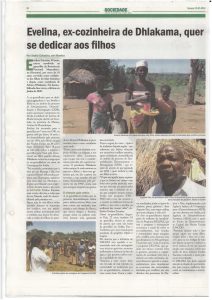
A witness to this transformation, Evelina recently shared her experience in an article published in the SAVANA newspaper. From her life in conflict, she is now embarking on a new path centred on agriculture and the well-being of her family. Her testimony is not only an inspiration, but also tangible proof of the value of programmes like DELPAZ in changing destinies and regenerating communities, and reflects the success of a holistic approach that goes beyond mere assistance, investing in human potential and local resources.

The DELPAZ Programme seeks to coordinate efforts between the government, partners and civil society organisations to invest in infrastructure, agricultural development and entrepreneurship. This endeavour aims to relaunch the economy of communities affected by conflict in 14 districts in the provinces of Manica, Tete and Sofala. Thanks to funding from the European Union and the implementation of the Italian Agency for Development Cooperation (AICS) in Manica and Tete; the Austrian Development Agency (ADA) in Sofala; with the support of the United Nations Capital Development Fund (UNCDF), DELPAZ supports the creation of opportunities to improve the lives of many people.